AFGE presses House to block Trump's Pentagon union ban
Get the Geopolitics newsletter
Daily geopolitics — wars, elections, sanctions, the diplomatic moves that move markets. Free.
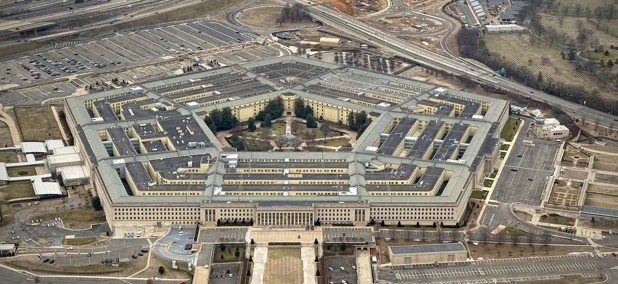
- AFGE (American Federation of Government Employees) urged House Armed Services Committee leaders in a letter last week to approve a proposal nullifying Trump's March 2025 executive order as it applies to Defense Department workers, per legislative director Daniel Horowitz.
- Trump's March 2025 executive order banned unions at most federal agencies under a national security exemption in the 1978 Civil Service Reform Act; a second order last August added a half-dozen more agencies, and the rollout has been tied up in litigation since.
- Defense Secretary Pete Hegseth ordered AFGE's contracts terminated in April, even as other unions — including the International Federation of Professional and Technical Engineers and the Federal Education Association — preserved collective bargaining for their Defense Department members through separate legal fights.
- The House Armed Services Committee voted on a bipartisan basis last year to attach Rep. Donald Norcross's amendment to the 2026 National Defense Authorization Act, but the Senate stripped the provision from its version, and the measure never became law.
- Horowitz argued the Civil Service Reform Act exemption was 'deliberately narrow, reserved for agencies like the Central Intelligence Agency,' and noted that Trump never invoked the authority in his first term — though he tried to delegate it to then-Defense Secretary Mark Esper in 2020, who declined.
- Sixteen House Republicans urged the bicameral conference committee to keep Norcross's amendment in last year's NDAA, arguing the collective bargaining ban 'jeopardizes' rather than strengthens national security.
Why it matters: If the House Armed Services Committee acts on AFGE's request, it would replay last year's bipartisan showdown — but the outcome would again hinge on the Senate, which already stripped the same provision from the 2026 NDAA. For Defense Department civilian workers, the fight determines whether collective bargaining survives at the one agency where Hegseth has already terminated their contracts, and tests how far Congress will let Trump stretch a national security exemption originally written for the CIA.
Ask SkimNews