Study: NFLers die from dementia at higher rate — SkimNews
Get the Sports newsletter
Daily sports — scores, transfers, the storylines from the leagues you actually follow. Free.
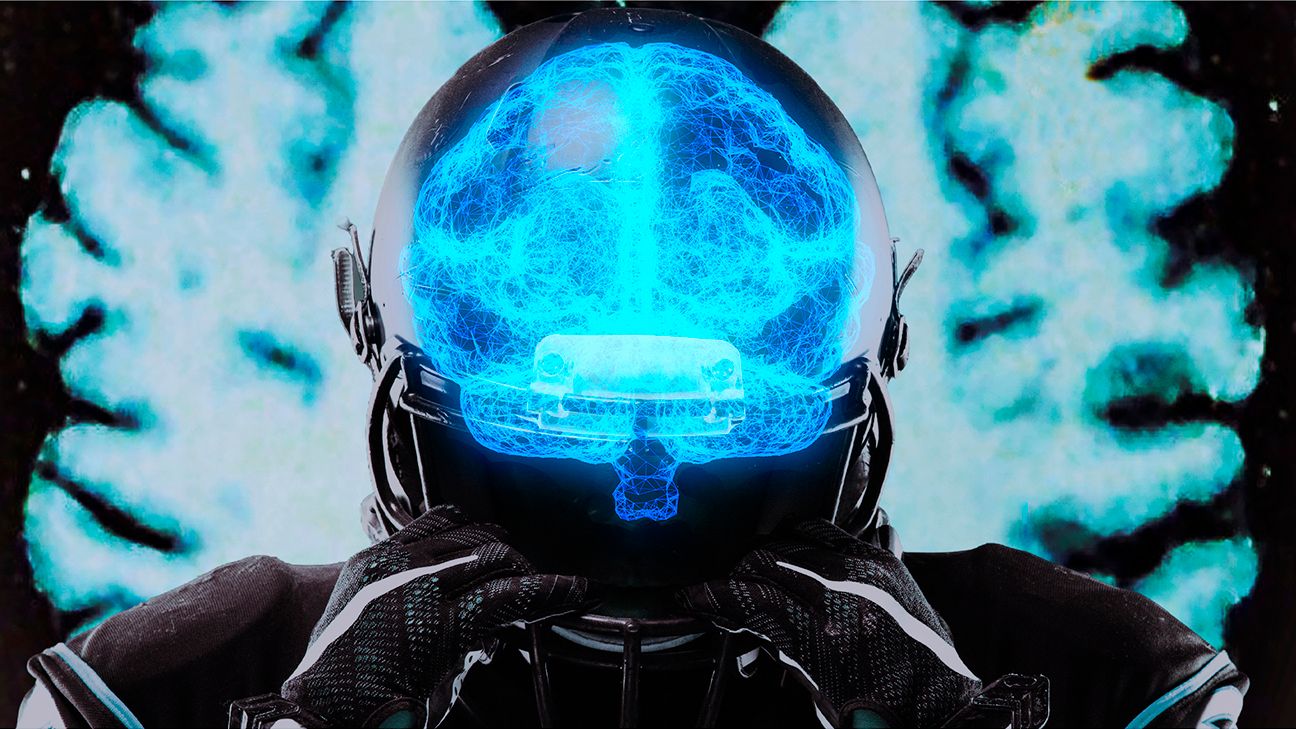
- Mass General Brigham and Boston University researchers studied 19,824 NFL players from 1960 to 2019 and found they died from neurodegenerative diseases at 4x the general population rate; players who died before age 60 faced 12-fold higher rates.
- Skill-position players had neurodegenerative disease listed as a cause of death at nearly twice the rate of offensive and defensive linemen, possibly tied to greater cumulative g-force exposure.
- NFL players had lower death rates from cancer, cardiovascular disease, and suicide than national averages — a finding researchers said makes CTE "the most likely explanation" for the elevated neurodegenerative death rate.
- Co-senior author Dr. Daniel Daneshvar of Harvard Medical School cautioned the true rate is likely higher because death certificates often list immediate causes like pneumonia while overlooking underlying dementia.
- Study results were consistent across eras despite rule and equipment changes, though Daneshvar said reducing cumulative head force through practice-contact limits and later age of first exposure could lower risk.
- ESPN and KFF separately surveyed 546 men who played in the 1988 NFL season and found 15% had been diagnosed with dementia, compared to just under 4% of American men 65 and older.
Why it matters: With nearly 20,000 players studied across six decades, this is the clearest population-level evidence yet that the NFL's neurodegenerative crisis is structural rather than confined to rougher older eras. For current players, youth football parents, and the league itself, the finding that rule changes have not measurably moved the risk reframes the safety debate around practice exposure and age of first contact.
Ask SkimNews