Ukraine, 9 Nations Form Anti-Ballistic Missile Coalition — SkimNews

Get the Geopolitics newsletter
Daily geopolitics — wars, elections, sanctions, the diplomatic moves that move markets. Free.
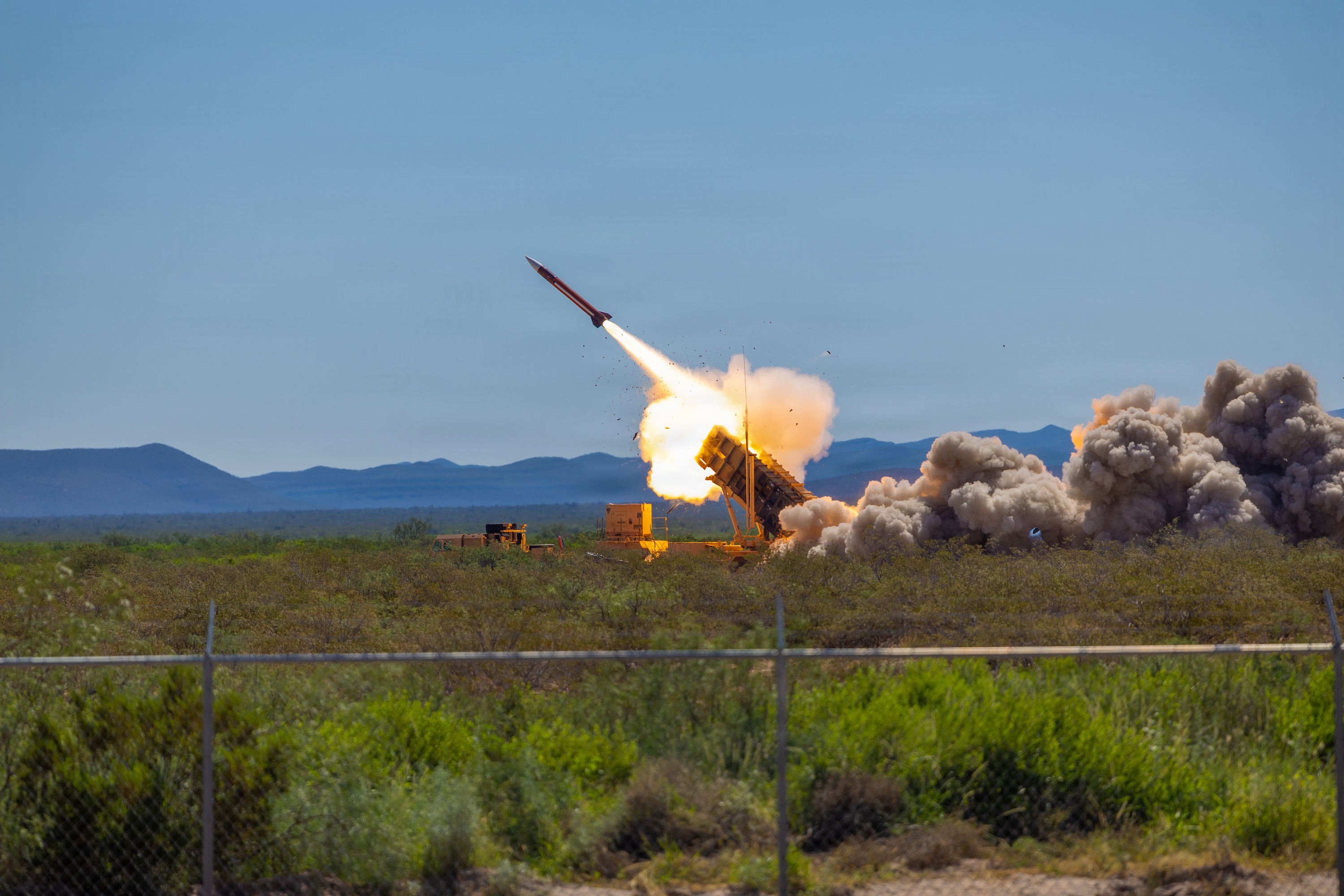
- Ukraine joined Denmark, France, Germany, Italy, the Netherlands, Norway, Spain, Sweden, and the United Kingdom at a Paris summit on July 13, 2026, to form a new integrated anti-ballistic missile coalition aimed at building a shared ballistic missile defense capability for Europe.
- The coalition said its capabilities will be "purely defensive" and complement existing European national missile defense systems, while also being designed to "deter and defeat future missile threats" amid what leaders called the growing threat of ballistic missiles.
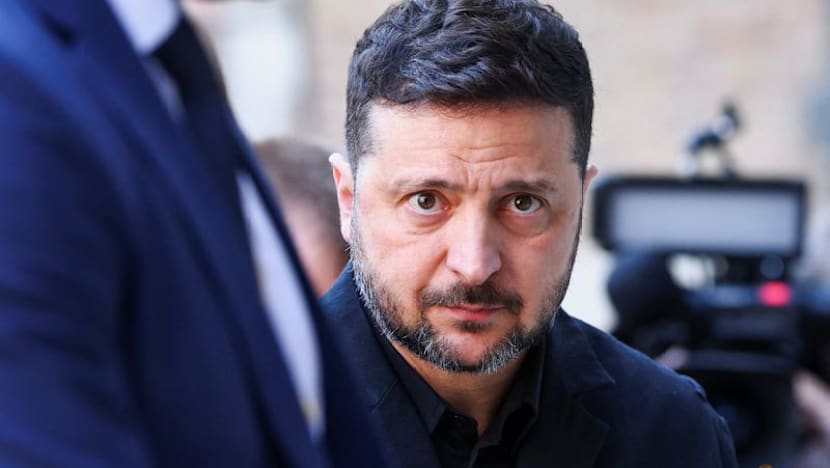
- President Zelenskyy declared anti-ballistic defense Ukraine's "top priority," saying the Paris talks could pave the way for "significantly greater opportunities" for Ukraine's defense.
- President Macron announced a planned multinational force for Ukraine will hold military exercises in neighboring countries in the coming months to test deployment plans, with full deployment contingent on a ceasefire between Ukraine and Russia.
- EU foreign policy chief Kaja Kallas said no agreement has been reached on a 21st Russian sanctions package during the Coalition of the Willing talks in Paris.
- Russia summoned Germany's ambassador Alexander Graf Lambsdorff to protest Berlin's Ukraine support, accusing Germany of helping create capabilities used to strike civilian targets inside Russia; Germany's Foreign Office rejected the allegations as "completely baseless."
- At least three people died in drone strikes in the Moscow region on the same day as the Paris summit.
Why it matters: The coalition integrates war-tested Ukraine into Europe's missile defense architecture rather than treating it as an aid recipient, signaling a shift from emergency assistance toward long-term defense integration. But Macron's concurrent multinational force announcement carries a key caveat — full deployment depends on a ceasefire, leaving Moscow with leverage over whether allied troops actually arrive on Ukrainian soil.
Ask SkimNews