BBC Names Three Accused Torturers in Russia's Ukraine Prison System — SkimNews
Get the Geopolitics newsletter
Daily geopolitics — wars, elections, sanctions, the diplomatic moves that move markets. Free.
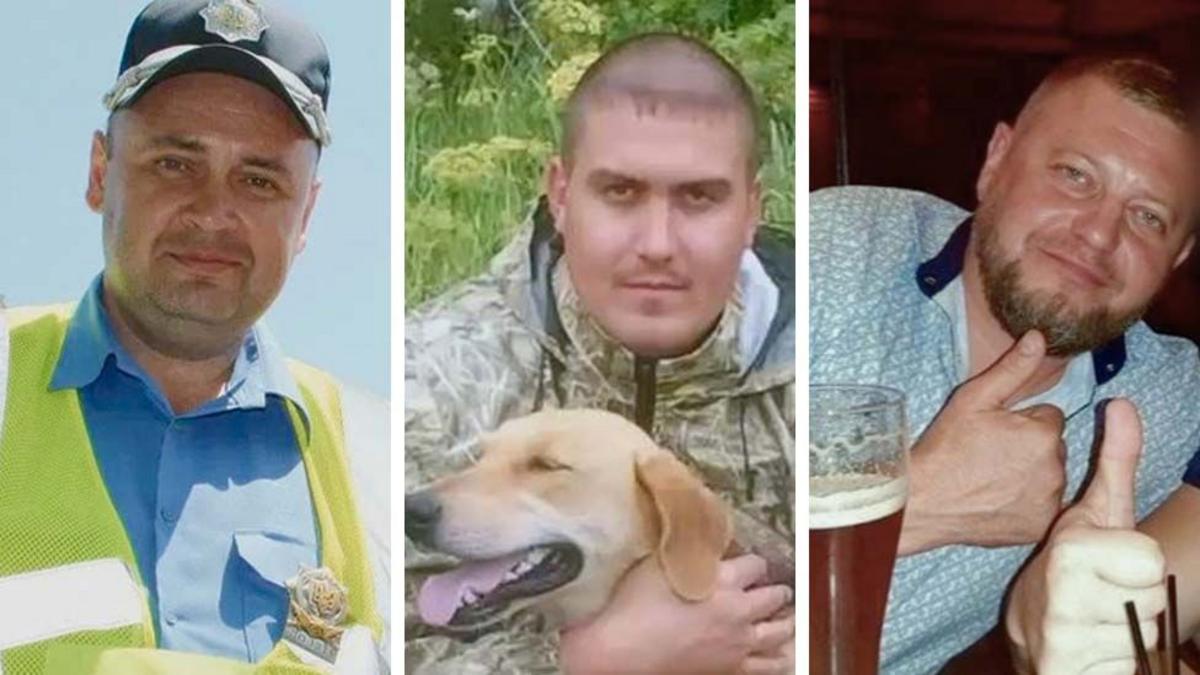
- BBC World Service identified three accused jailers — former Ukrainian traffic policeman Yurii Temerbek, Ruslan Yeriomichev (known inside Izolyatsia as "Yermak"), and Andrey Spivak — all now living ordinary family lives in Russia or occupied territory while Ukrainian prosecutors have opened criminal proceedings against them.
- The UN's human rights office (OHCHR) documented torture and ill-treatment as "systematic and widespread," citing beatings, electric shocks, mock executions, and sexual violence, with civilians detained arbitrarily and families given little information; the Kremlin accused OHCHR of bias.
- Ukrainian authorities say more than 16,000 civilians have been taken captive or disappeared since 2014, while the BBC cross-matched reports to identify 93 detention sites in occupied Ukraine and 102 more in Russia between 2023 and 2025 — sites international organizations have not been allowed to freely access.
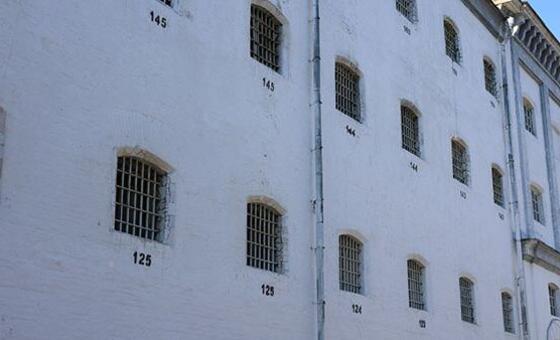
- Liudmyla Huseinova, 64, was seized in October 2019 in Novoazovsk after sharing a photo of a Ukrainian flag, and spent over three years at Izolyatsia, where she describes sexual assault, being forced to stand from 06:00 to 22:00, and a guard ordering her to eat uncooked food mixed with soil and rubbish.
- Ruslan Yeriomichev was first identified by Bellingcat and Stanislav Aseyev, a journalist who was himself held in Izolyatsia, while Andrey Spivak — previously a Russian prison-system policeman from Omsk — has been charged with cruel treatment of civilians over a detention facility in Kherson where sailor Oleksii Sivak says he was tortured with electric current to the genitals.
- The UN added Russia to a blacklist of countries suspected of committing sexual violence in conflict in May 2025, an allegation Moscow dismissed as "groundless lies."
Why it matters: Naming specific alleged torturers who are living freely with their families in Russia and occupied Ukraine gives survivors and prosecutors a concrete accountability target — but the BBC's mapping of 195 detention sites alongside Ukraine's 16,000-plus disappeared civilians shows named identifications are only the surface of a much larger network that has operated largely beyond the reach of Ukrainian and international justice since 2014.
Ask SkimNews