China Gave Iran Satellite Used to Target US Bases
Get the Geopolitics newsletter
Daily geopolitics — wars, elections, sanctions, the diplomatic moves that move markets. Free.
- Iran secretly received the TEE-01B intelligence satellite from China, delivered to the IRGC's aerospace forces in late 2024 after launch from China, giving Tehran the capability to target US military bases across the Middle East.
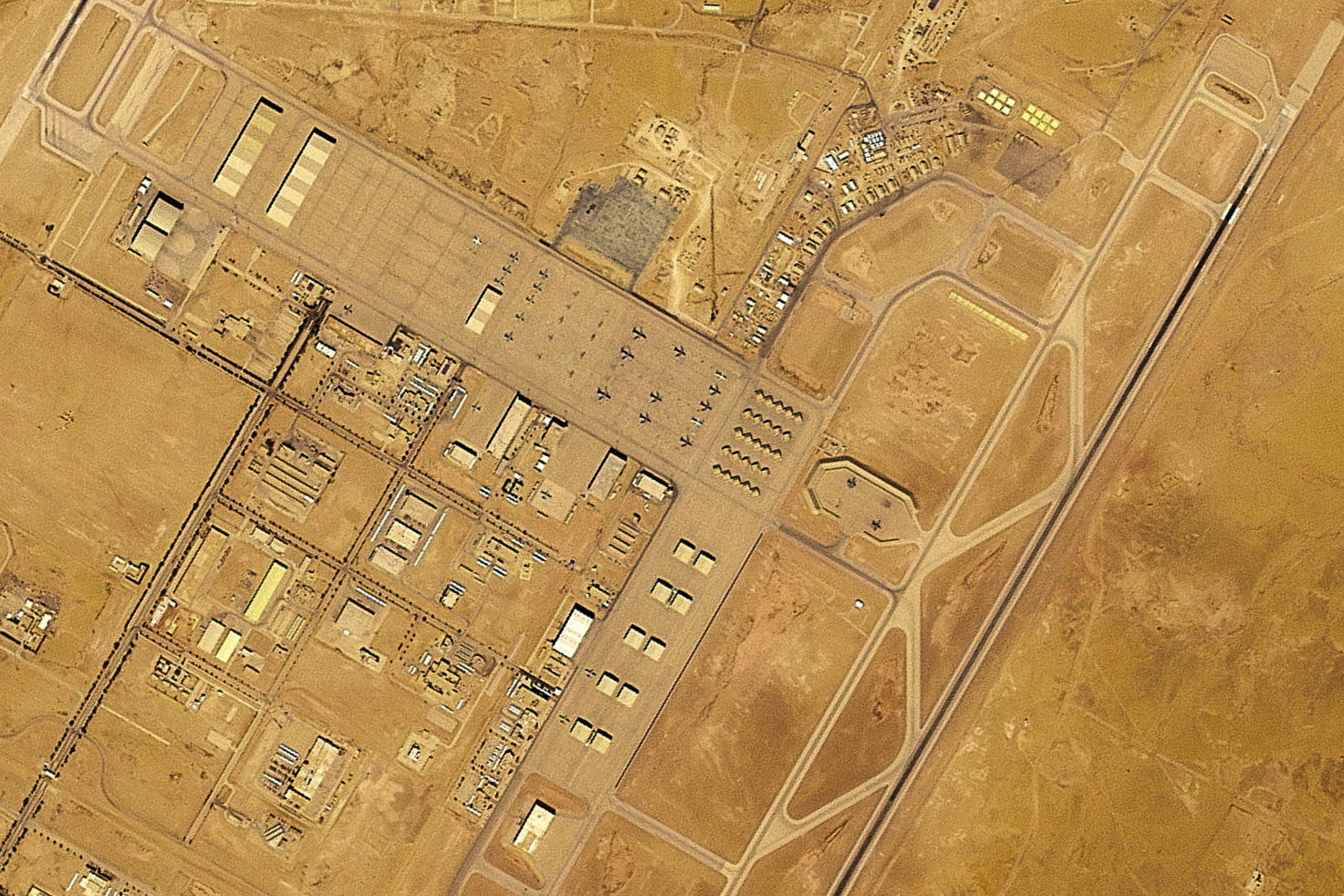
- The satellite's activity logs, reviewed by the Financial Times, show it photographed Prince Sultan Air Base in Saudi Arabia on March 13, 14, and 15 — just before US aircraft at that base were struck — and also surveiled Muwaffaq al-Salti Air Base in Jordan, Erbil Airport in Iraq, and other sites including civilian infrastructure.
- Emposat, a Beijing-based company, gave the IRGC access to its commercial ground-station network spanning Asia, Latin America, and other regions as part of the deal.
- Earth Eye, the company that launched TEE-01B, claims on its website to have made one 'in-orbit delivery' to an unnamed Belt and Road country and says the satellite is meant for civilian purposes — Iran joined the BRI in 2021.
- The White House declined to comment on the Emposat–IRGC link but pointed to Trump's prior warning that China would face 'serious problems' if it supplied Iran with air defense systems.
- China's embassy in Washington rejected the reporting as 'speculative disinformation,' asserting Beijing 'never takes actions that escalate conflict' and works to promote peace talks.
- Context of contradiction: CNN reported in March that the US had intelligence on China planning financial aid and missile-component deliveries to Iran, and in early April China co-signed a five-point Middle East peace plan with Pakistan — both cited in the same investigation that documents the satellite transfer.
Why it matters: Leaked IRGC activity logs place a Chinese-supplied satellite over Prince Sultan Air Base days before US aircraft there were struck, giving the US a documented case to back Trump's prior 'serious problems' warning to Beijing. With Emposat's three-continent ground network baked into the deal and Earth Eye's civilian-purpose framing as cover, this isn't a one-off transfer but an infrastructure arrangement — and it undercuts China's simultaneous claim of promoting Middle East peace.
Ask SkimNews