U.S.-Israel Alliance Reaches Peak and Starts to Fall — SkimNews

Get the Geopolitics newsletter
Daily geopolitics — wars, elections, sanctions, the diplomatic moves that move markets. Free.
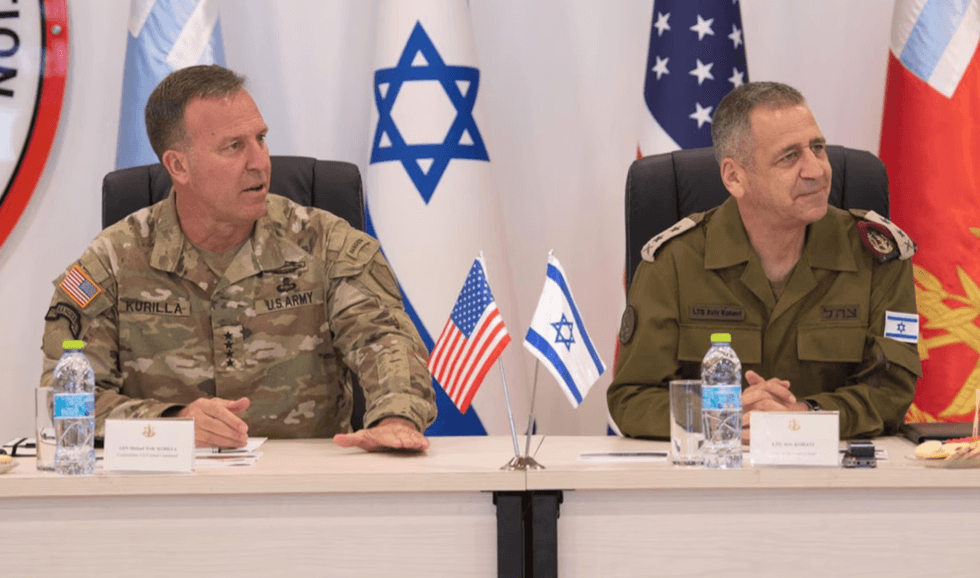
- The U.S.-Israel "special alliance" is simultaneously at its military apex — joint fighter-jet flights over Tehran and Israeli officers embedded at U.S. Central Command in Florida — and entering what the source calls terminal political decline.
- AIPAC and the Israel-advocacy complex (including the Anti-Defamation League and Christians United for Israel) once commanded near-unanimous bipartisan support on Capitol Hill, but is faltering against progressive Democrats and the neoisolationist wing of the MAGA coalition in an era of hyperpolarization.
- American public opinion has shifted dramatically: less than half of Americans now say U.S. support for Israel serves the national interest, and for the first time Americans view Palestinians more sympathetically than Israelis.
- The 2015 fight over the Iran nuclear deal shattered bipartisan consensus — AIPAC dumped roughly $40 million into lobbying against it, and Republican House Speaker John Boehner invited Netanyahu to address a joint session of Congress without notifying President Obama, a move widely seen as a breach of decorum.
- Netanyahu radicalized after 2015, pivoting to open territorial maximalism, normalizing followers of the quasi-fascist rabbi Meir Kahane, and empowering hard-line messianic settlers as ministers after his 2019 corruption indictment.
- Trump's first-term policies — closing the PLO's Washington office, moving the U.S. embassy to Jerusalem, and recognizing Israeli sovereignty over the Golan Heights — have arguably pushed rank-and-file Democrats away from Israel "more than any pro-Palestinian activist," per the source.
- Israel's destruction of Gaza, blockade, starvation campaign, and spiraling West Bank settler violence — all livestreamed for over two years after Oct. 7, 2023 — accelerated an anti-Israel backlash that has become a ubiquitous feature of U.S. politics.
Why it matters: The erosion of bipartisan pro-Israel consensus structurally reshapes U.S. Middle East leverage: AIPAC's $40 million 2015 lobbying blitz failed to kill the Iran deal and instead exposed its Republican tilt, while Trump's embassy and Golan moves actively alienated Democrats. With under half of Americans backing support for Israel and Palestinian sympathy now exceeding Israeli sympathy for the first time, future administrations face a fundamentally altered political calculus on arms transfers and diplomatic cover.
Ask SkimNews