Sam Neill, actor and star of Jurassic Park, dies aged 78 — SkimNews

Get the Culture newsletter
Daily culture — film, music, books, the trends and ideas worth your attention. Free.
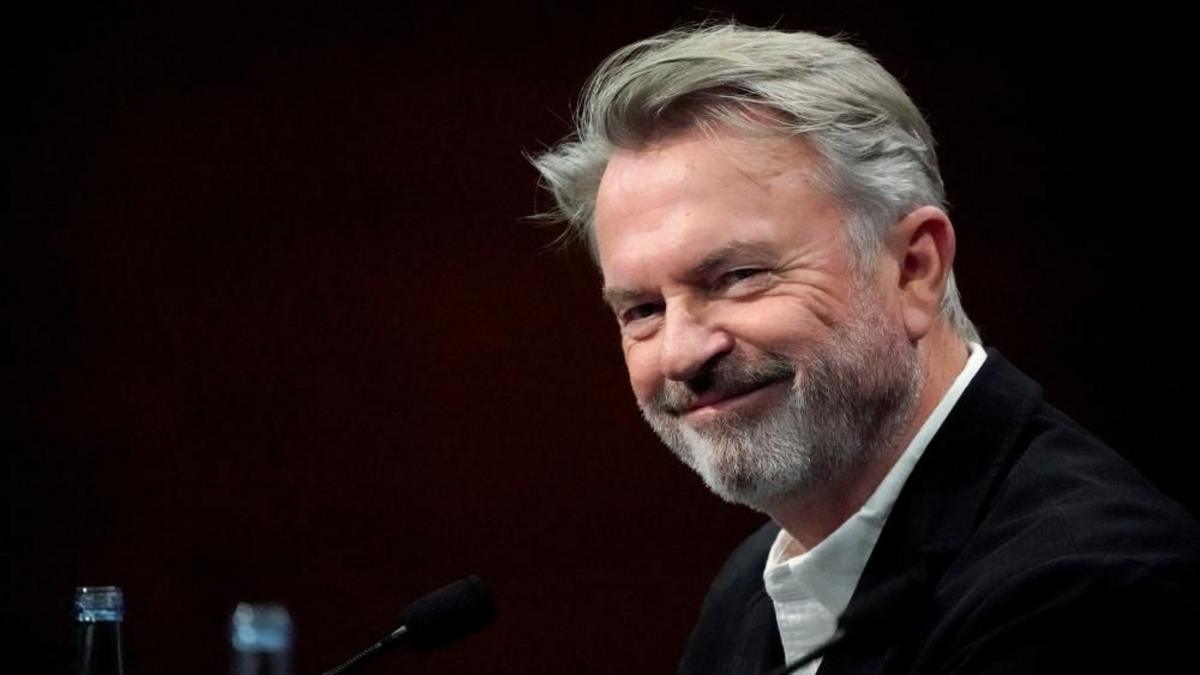
- Sam Neill died on Monday July 13 in Sydney, Australia, at age 78, with his family stating the loss was 'sudden and unexpected' but noting he had remained cancer-free following his 2022 diagnosis of stage three angioimmunoblastic T-cell lymphoma.
- New Zealand Prime Minister Christopher Luxon called Neill 'one of the greats,' crediting him with helping build NZ's film industry from its earliest days, while Australian PM Anthony Albanese praised Neill as 'wry and dry, thoughtful and laconic' who 'fought illness with the same dignity, humour and conviction.'
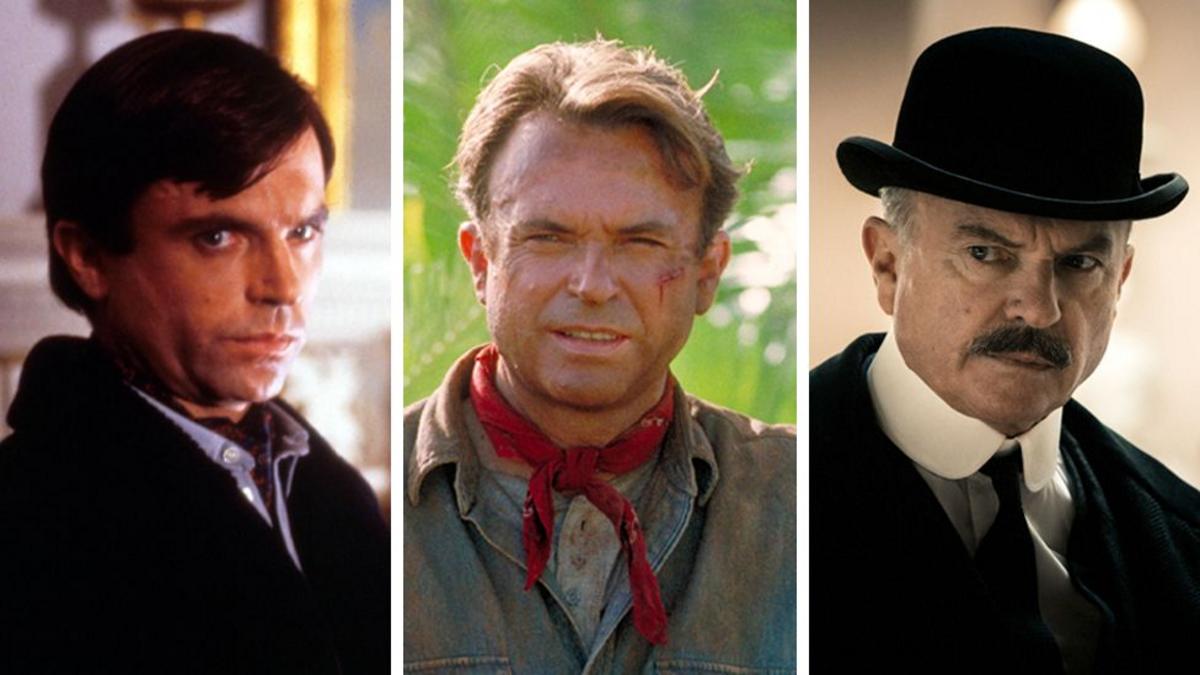
- Neill's breakout international roles came in 1993 with Jane Campion's The Piano (as settler Alisdair Stewart) and Steven Spielberg's Jurassic Park (as Dr Alan Grant) — a role originally offered to Harrison Ford — which he reprised in Jurassic Park III and Jurassic World Dominion.
- Neill screen-tested to succeed Roger Moore as James Bond in 1986 but lost the role to Timothy Dalton, and amassed more than 150 credits over five decades including Hunt for the Wilderpeople, The Hunt for Red October, Evil Angels opposite Meryl Streep, and Peaky Blinders.
- Neill was appointed OBE in 1991, received the DCNZM in 2007, and accepted a knighthood in 2022 after New Zealand changed its honours system to allow conversion — gaining the title Sir.
- Neill is survived by four children — including Andrew, placed for adoption when Neill was in his early twenties and reunited with his father in 1994 — and six grandchildren, and lived on a farm and winery called Two Paddocks in Central Otago, where he named animals after colleagues including Laura Dern and Kylie Minogue.
Why it matters: Neill logged more than 150 credits across five decades and was the rare Hollywood star who anchored both blockbusters and New Zealand's homegrown industry — a role Luxon credited with transforming cinema into 'one of our greatest cultural exports,' making his death, three years after he revealed a stage-three blood cancer diagnosis, a genuine end-of-an-era loss for NZ screen culture.
Ask SkimNews