Kiehl's Prison Brain Scans: Science or Modern Eugenics?
Get the Health newsletter
Daily health & science — research, biotech, public health, the studies worth knowing. Free.
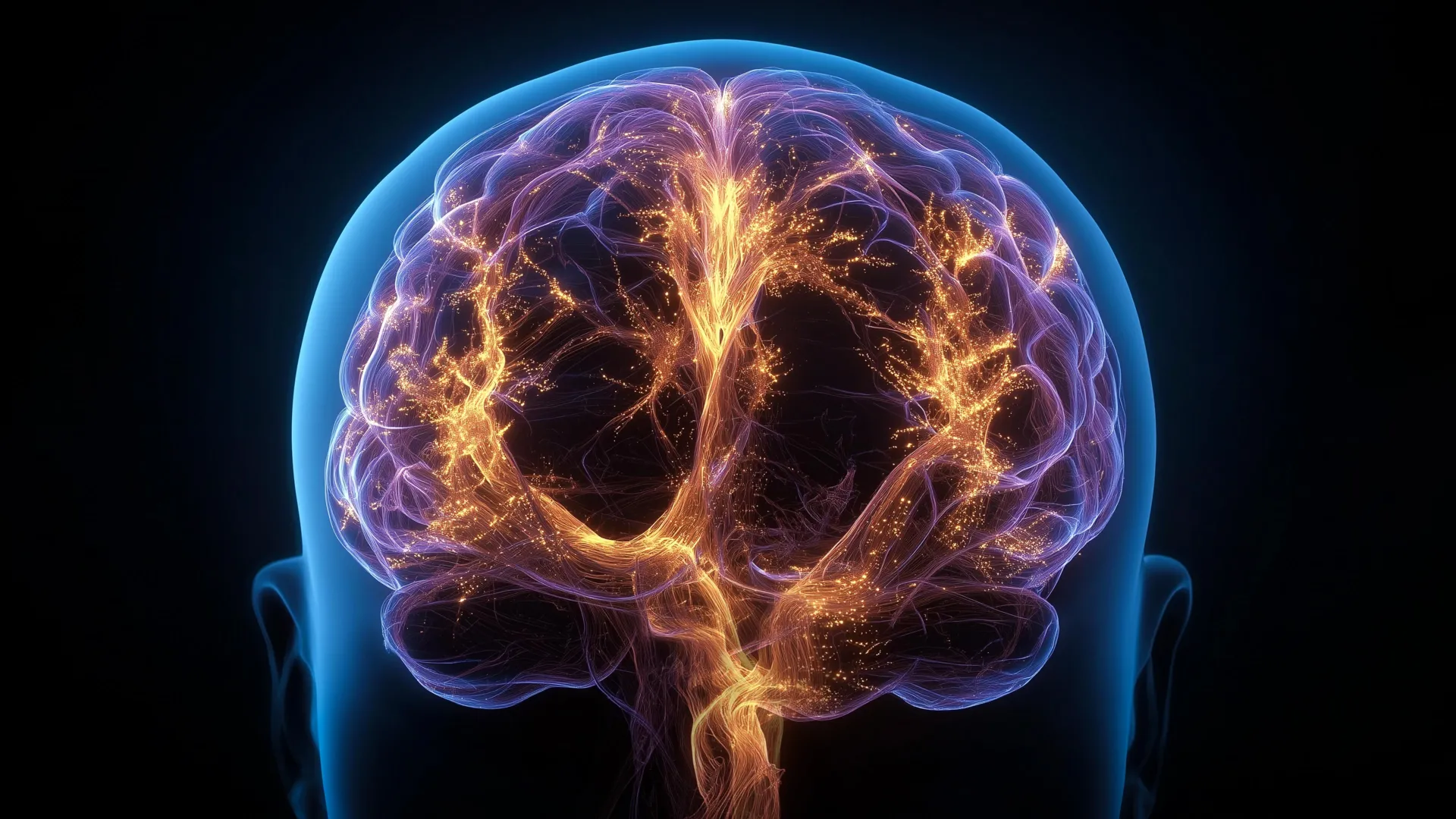
- Kent Kiehl testified in the 2009 trial of serial killer Brian Dugan, using fMRI scans and a 20-trait psychopathy checklist to argue Dugan was incapable of sensing right from wrong — yet the jury sentenced Dugan to death, later commuted to life only after Illinois imposed a death-penalty moratorium.
- Brain-based evidence appeared in more than 2,800 US judicial opinions from 2005 to 2015, with neurological arguments for reduced responsibility invoked in roughly 10–12% of murder trials and 25% of death-penalty cases, per a 2019 study — though researchers noted the 2,800 figure 'likely underrepresents' the true prevalence.
- Kiehl's lab at the University of New Mexico's Mind Research Network operates a mobile MRI machine sent to prisons across the US and claims to hold the 'world's largest database of brain data' from incarcerated people, having scanned more than 1,000 prisoners.
- Critics argue the science revives long-debunked eugenic thinking about reading criminality in the body, and warn that in a US system where people of color are disproportionately arrested, tried and convicted, biological-only evidence carries serious ethical risks.
- The 2013 case of Amos Joseph Wells III — who shot and killed his pregnant girlfriend, her mother and her 10-year-old brother — illustrates the double-edged danger: the same brain-science framework defense attorneys use to argue for leniency can be flipped to argue a defendant is permanently prone to violence, potentially justifying harsher punishment.
- Kiehl grew up about a mile from Ted Bundy's Tacoma murder sites and was adopted as a toddler, experiences he credits with driving his obsession with psychopathy — a career he launched after courting Robert Hare at the University of British Columbia for over a year, once driving through a snowstorm with bottles of wine to win him over.
Why it matters: With neurological arguments appearing in roughly 25% of US death-penalty trials and brain-based evidence referenced in 40% of serious felony cases, a field many researchers call unreliable has become routine in sentencing — and the source documents that the 'illusion of scientific certainty' has already contributed to death sentences, as in the Amos Wells case where defense-invoked brain science arguably backfired on the defendant.
Ask SkimNews