Vietnam Nears $700M BrahMos Missile Deal With India

Get the Geopolitics newsletter
Daily geopolitics — wars, elections, sanctions, the diplomatic moves that move markets. Free.
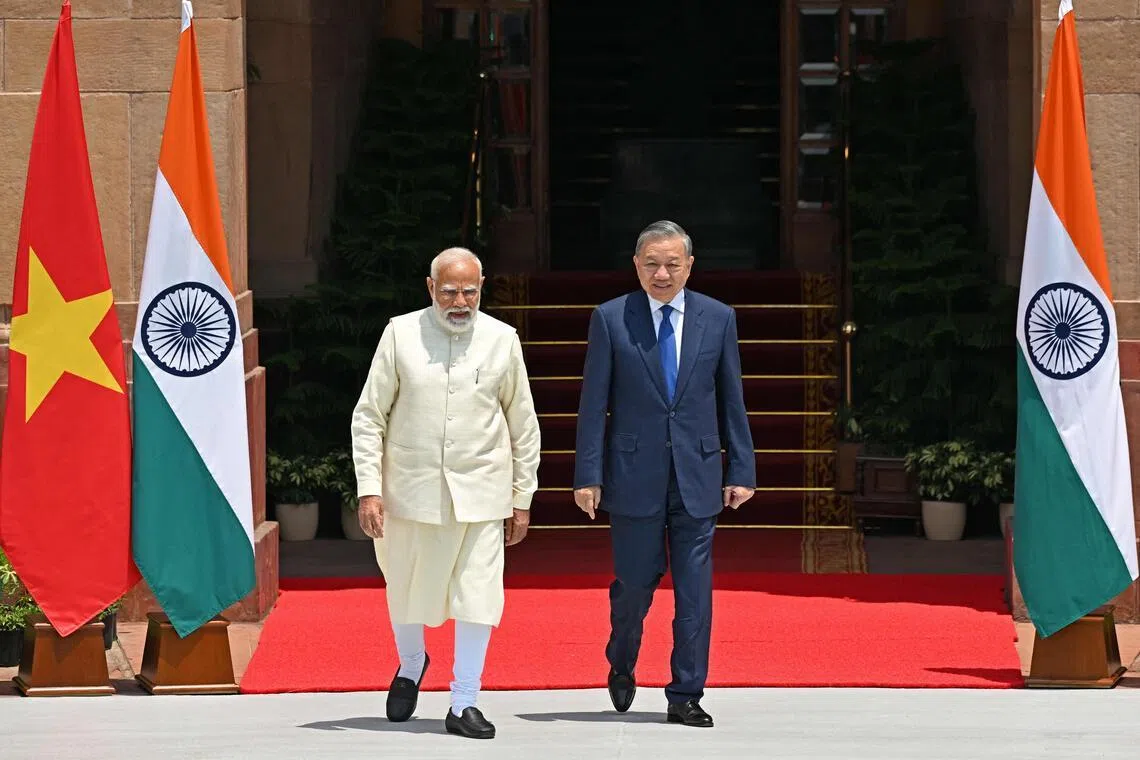
- President To Lam met PM Narendra Modi and Defense Minister Rajnath Singh in New Delhi this month, with BrahMos talks accelerating; India's foreign ministry confirmed BrahMos was among "platforms" under discussion, though no final agreement has been signed.
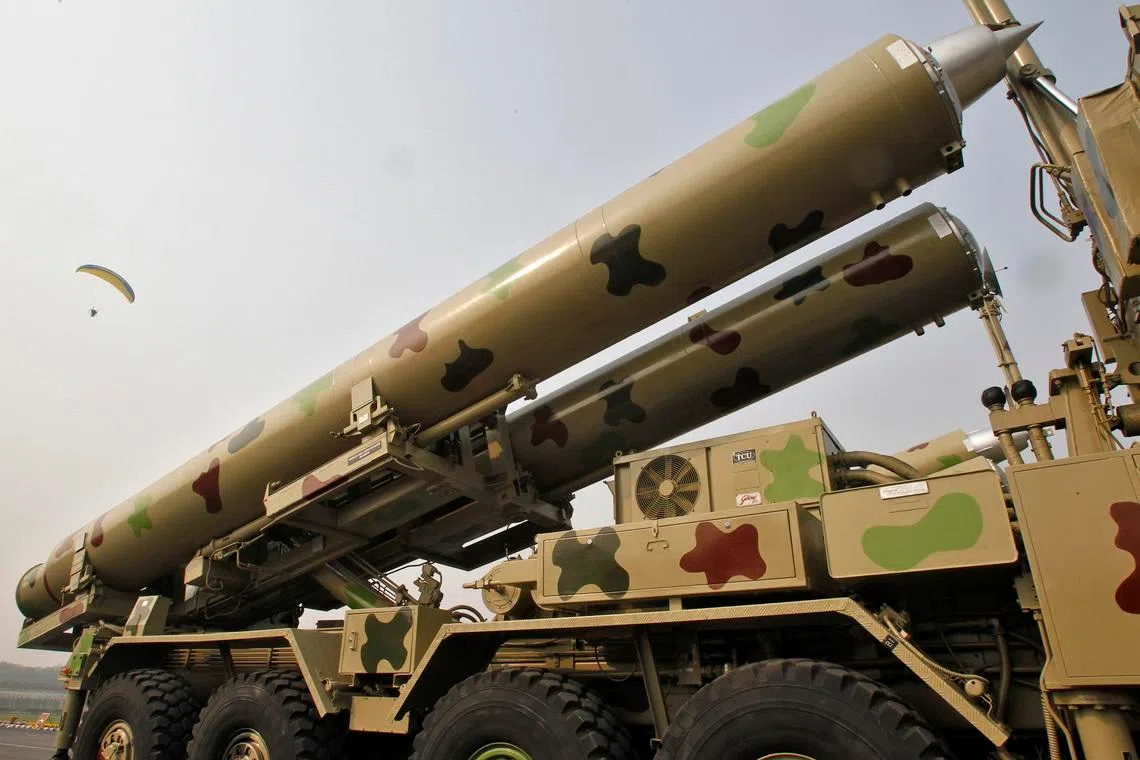
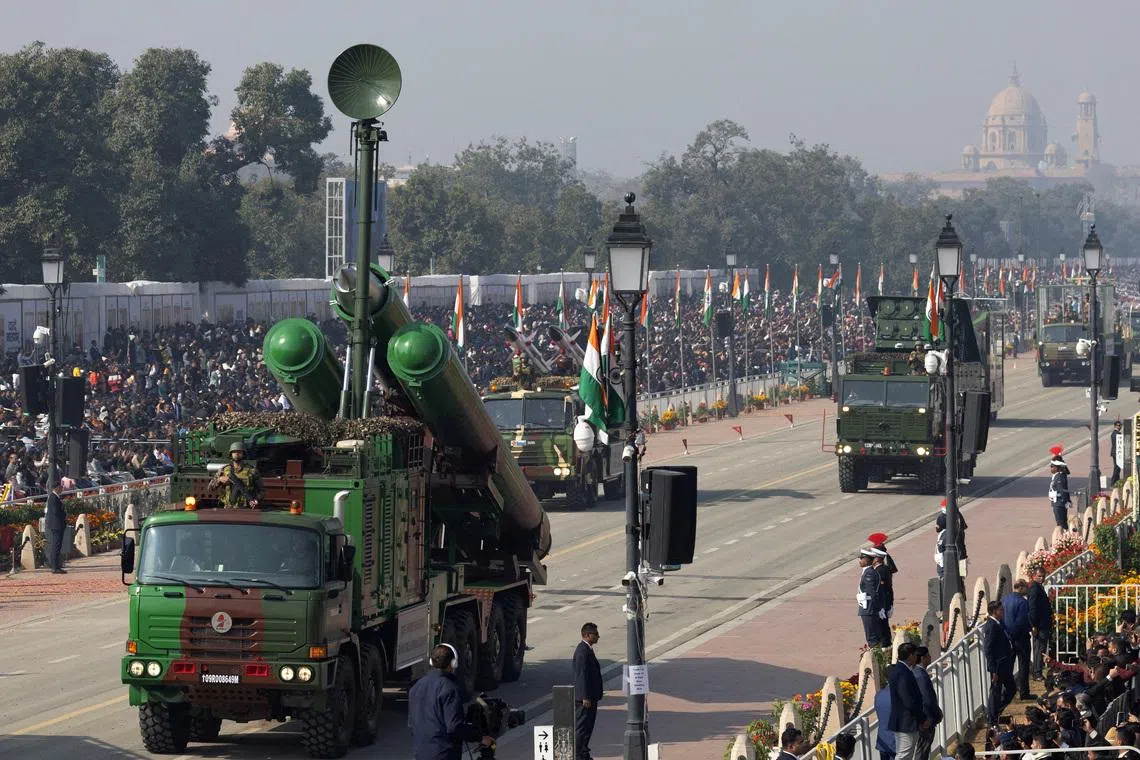
- The proposed deal, estimated at US$629–700 million including training and logistics, would make Vietnam the third foreign BrahMos buyer after the Philippines and Indonesia.
- The BrahMos — 290-km range, supersonic speed, 200-kg warhead — would replace aging Soviet/Russian shore-based anti-ship systems and complement Vietnam's domestically produced 80-km VSM-01A Truong Son missile, creating layered A2/AD defense in the Gulf of Tonkin aimed at Chinese warships sailing from Hainan.
- The package also includes Indian-built offshore patrol vessels, patrol boats, submarine batteries, ship upgrades, and maintenance support for Vietnam's Su-30 fighters and Kilo-class submarines, underscoring an expanding strategic partnership.
- The pivot reflects Vietnam diversifying from Russian arms amid Western sanctions and heavy Russian equipment losses in Ukraine; Russia retains a 49.5% stake in BrahMos Aerospace, keeping its export revenue alive indirectly through Indian sales.
- For India, BrahMos exports form an emerging "Necklace of Diamonds" strategy countering China's BRI-linked Indian Ocean footprint, which includes port investments in Gwadar and Hambantota, a military foothold in Djibouti, and undersea research threatening India's Bay of Bengal SSBN bastions.
Why it matters: Vietnam would become the third BrahMos buyer in Southeast Asia, cementing India as the region's principal non-Western arms supplier as China's BRI-linked port network (Gwadar, Hambantota, Djibouti) presses against India's maritime periphery. For Vietnam, the $629–700 million deal marks a quiet but consequential diversification from Russian arms, accelerated by heavy Russian equipment losses in Ukraine.
Ask SkimNews