China Abstains from UNSC Vote on Iran Gulf Attacks — SkimNews
Get the Geopolitics newsletter
Daily geopolitics — wars, elections, sanctions, the diplomatic moves that move markets. Free.
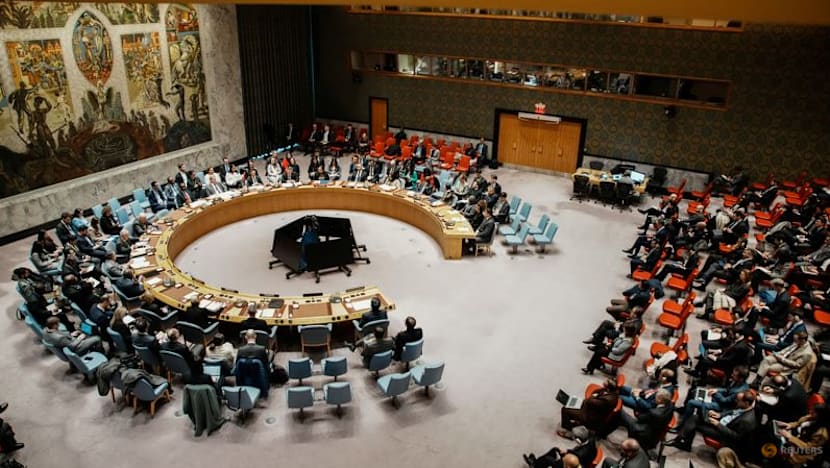
- China abstained from the March 11 UN Security Council resolution condemning Iran's Gulf strikes, while 13 members voted in favour and Russia also abstained.
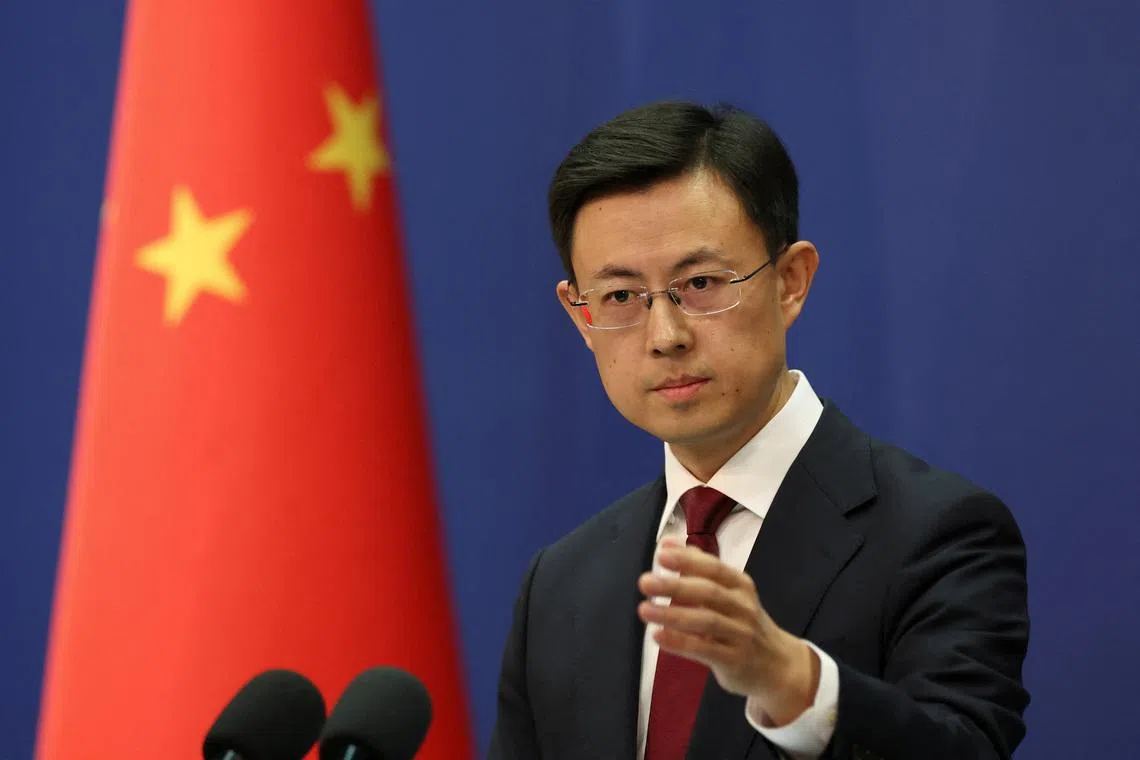
- China called the resolution “unbalanced,” noting it omitted the US‑Israeli attacks on Iran on Feb 28 that triggered Tehran’s retaliation.
- China previously backed four UN sanctions resolutions on Iran’s nuclear programme (2006‑2010), marking a shift in its voting pattern on Iran‑related issues.
- China’s abstention reflects a balancing act among its strategic ties with Iran, its economic interests with Gulf states (trade $257 bn in 2024, 11.6 m bbl/d crude imports in 2025), and its alignment with Russia.
- Wang Yi emphasized respect for the sovereignty, security and territorial integrity of Iran and Gulf states, while urging dialogue and condemning the abuse of force.
- Guy Burton said the abstention shows continuity of China’s “neutrality” approach, allowing Beijing to avoid a public rupture with Tehran while not alienating Gulf partners.
- Zeno Leoni noted that China’s ties with Iran and the Gulf mattered more than its alignment with Russia, making the abstention a diplomatic balancing act.
Why it matters: China preserves its economic and strategic relationships—keeping Iran as a political partner, safeguarding $257 bn Gulf trade and 11.6 m bbl/d crude imports, and maintaining its Russia alliance—while Gulf states miss a decisive UN rebuke of Iran. The abstention also signals Beijing’s preference for neutral, broadly framed resolutions, limiting its role in direct conflict mediation.
Ask SkimNews