US Treasury warns two Chinese banks over Iran-linked funds

Get the Geopolitics newsletter
Daily geopolitics — wars, elections, sanctions, the diplomatic moves that move markets. Free.
- US Treasury Secretary Scott Bessent said two Chinese banks received letters warning of secondary sanctions if Iranian money flows through their accounts, without naming the institutions
- The letters cited Treasury evidence that Iran routed roughly $9 billion in 2024 through US correspondent accounts via front-company networks concentrated in Hong Kong, Oman, and the UAE
- Hong Kong banks have complied with US sanctions in practice to retain SWIFT network access, closing accounts of sanctioned officials including Chief Executive John Lee and Secretary for Security Chris Tang, despite Lee's 2022 statement that Hong Kong would not enforce US sanctions
- China's new State Council rules signed by Premier Li Qiang in April prohibit organizations and individuals from complying with foreign sanctions measures, create a "malicious entities" list, and allow affected Chinese citizens and companies to file lawsuits
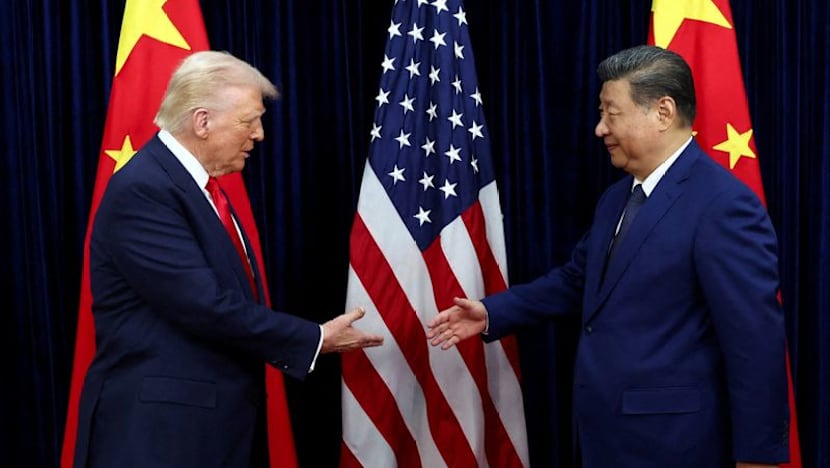
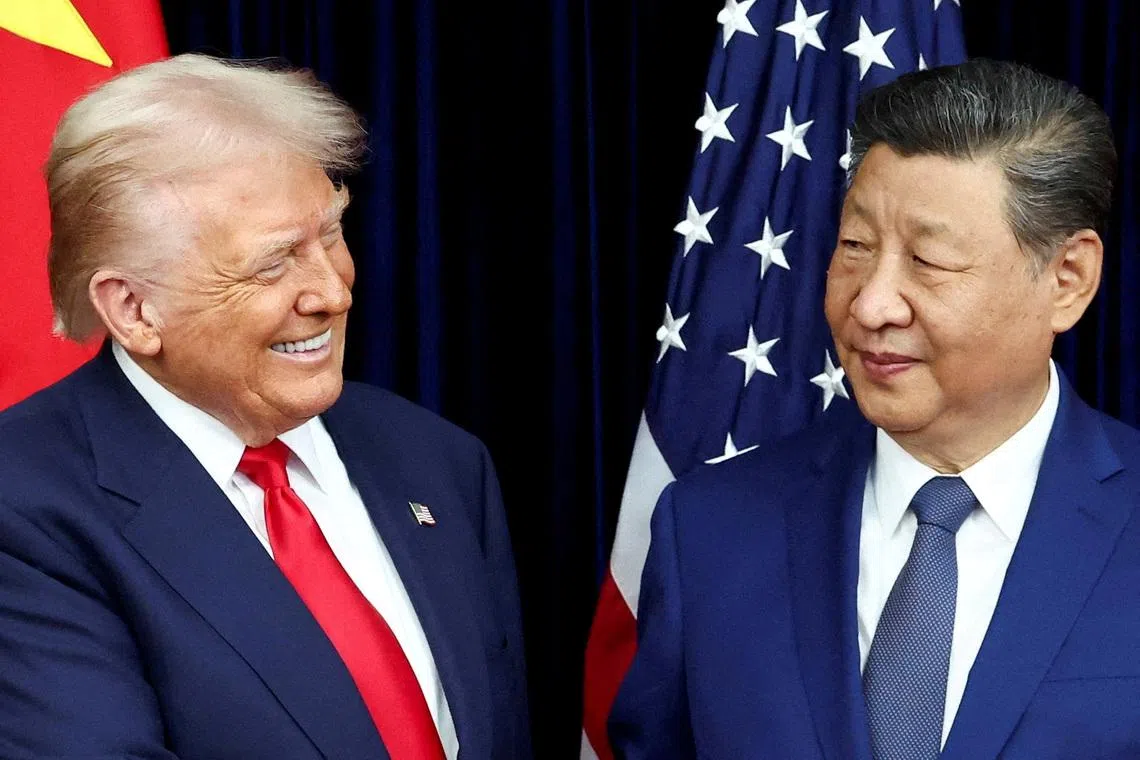
- Trump said on social media that Xi Jinping agreed not to supply Iran with weapons and predicted a US-Iran long-term ceasefire deal could come next week
- The US military began blocking ships linked to Iranian trade from docking at US ports on Monday, in an operation initially perceived as a broader Strait of Hormuz blockade
- Wen Wei Po argued the new Chinese counter-sanctions rules would extend protection to Hong Kong-based Chinese enterprises in practice, citing an unnamed legal expert who said authorities should apply the rules based on overall legislative intent
Why it matters: Hong Kong banks face a direct legal collision: Beijing's April 2025 anti-foreign-sanctions rules prohibit compliance with foreign sanctions, while US Treasury letters warn of secondary sanctions if Iranian money flows through their accounts. With $9 billion in 2024 Iran-linked transactions processed via Hong Kong front companies, banks must choose between SWIFT access and Chinese legal protection.
Ask SkimNews