China rejects US‑Bahraini draft, warns of Chapter VII
Get the Geopolitics newsletter
Daily geopolitics — wars, elections, sanctions, the diplomatic moves that move markets. Free.
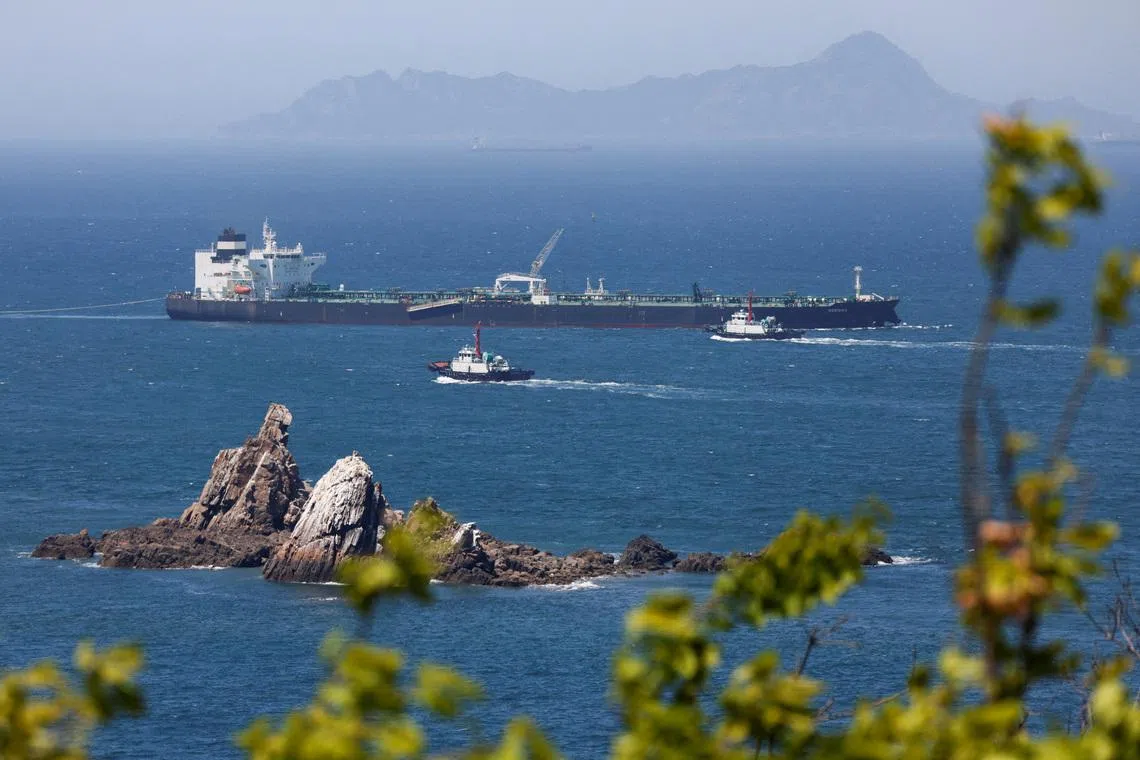
- China rejected the US‑Bahraini UN draft resolution on the Strait of Hormuz, which had more than 100 co‑sponsors.
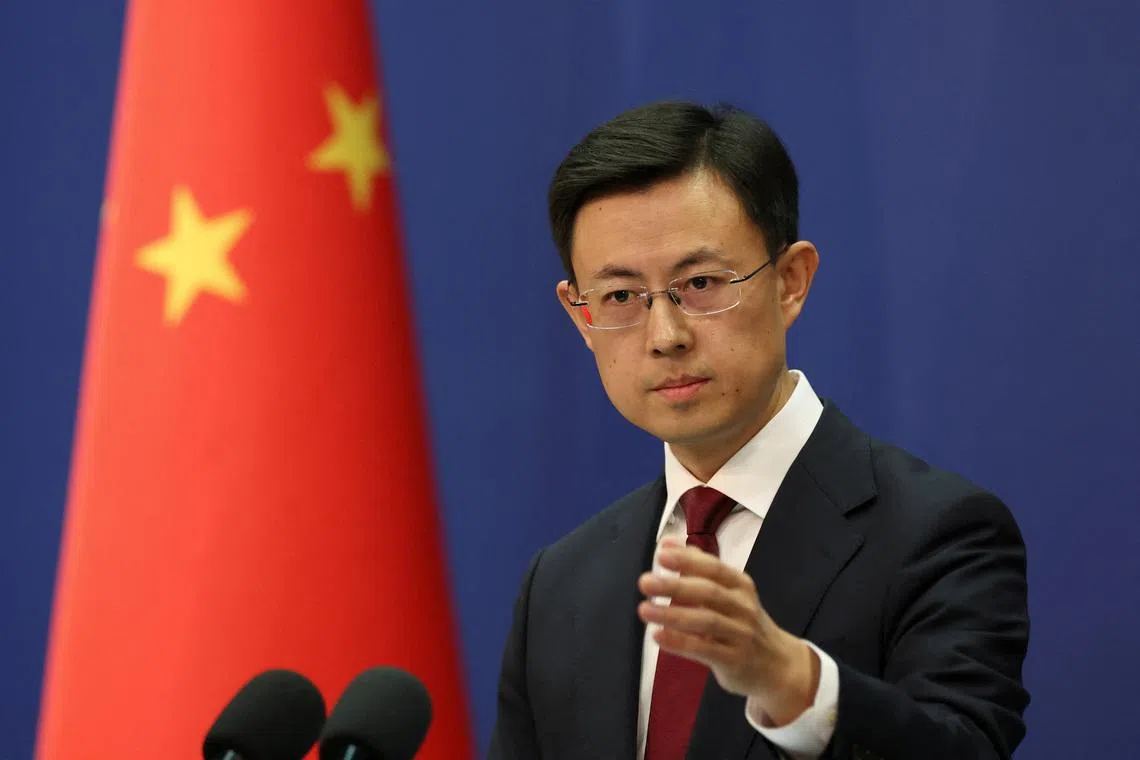
- Chinese diplomats explained that “open” means traffic flows through the Strait—including oil, gas, goods, and money—while allowing a regional environmental‑management fee.
- United States seeks a fully regionalized transit mechanism rather than one managed solely by Iran and Oman.
- GCC states (particularly the UAE and Bahrain) oppose any fee mechanism, fearing it would boost Iran’s geopolitical weight and preferring a return to U.S. military pressure.
- China opposes the draft because it could lead to a Chapter VII resolution authorizing force against Iran, which would give the United States leverage over China’s energy security.
- China worries that a U.S. overthrow of Iran and control of its oil would leave it vulnerable, citing the 92% drop in Chinese oil imports from Venezuela after Trump ousted Maduro.
Why it matters: China's veto blocks a UN move that could pave the way for a Chapter VII resolution authorizing force against Iran, safeguarding China's oil imports and preventing US leverage over its energy security, while the US and GCC states lose a diplomatic lever to pressure Iran.
Ask SkimNews