US sinks Iranian warship off Sri Lanka, NATO downs Iranian missile heading for Türkiye
Why it matters: This conflict is rapidly expanding geographically, drawing in new nations, and significantly impacting global energy markets.
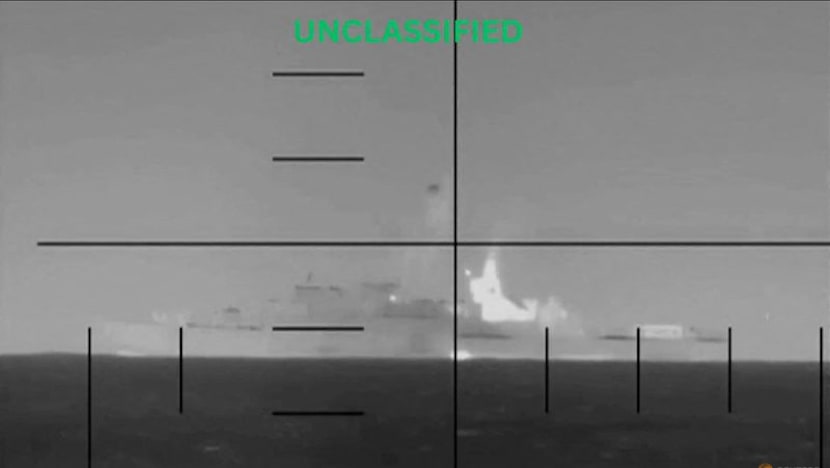
- US submarine sank an Iranian warship off Sri Lanka, killing at least 80 people, thousands of kilometers from the Gulf.
- NATO air defenses destroyed an Iranian ballistic missile fired towards Türkiye, drawing Türkiye into the conflict for the first time.
- US Defense Secretary Pete Hegseth stated the US is "winning the conflict" and can sustain it, downplaying the likelihood of triggering NATO's collective-defense clause.
- Dan Caine, chairman of the US Joint Chiefs of Staff, noted Iran is firing fewer missiles, signaling greatly diminished military capabilities.
- Israeli military eased public safety instructions across Israel and struck a compound in eastern Tehran housing all Iran's security bodies, while also telling residents to leave southern Lebanon amid assaults on Hezbollah.
- Iran's powerful son of the slain supreme leader emerged as a frontrunner to succeed him, suggesting Tehran will not buckle to pressure despite military setbacks.
- Global markets are convulsed, and shipping through the Strait of Hormuz remains paralyzed, with oil prices at their highest in over a year, despite US President Donald Trump's pledge for naval escorts.
The US-Israel conflict with Iran has escalated sharply, with a US submarine sinking an Iranian warship off Sri Lanka and NATO air defenses downing an Iranian missile targeting Türkiye, marking a significant widening of the conflict's geographical reach and drawing in new actors like Türkiye. Despite the escalation, US officials express confidence in their sustained military campaign, while Iran's capabilities appear diminished, even as a new hardline leader emerges as a frontrunner to succeed the slain supreme leader.