Will F1 go back to the future with its engines? — SkimNews
Get the Sports newsletter
Daily sports — scores, transfers, the storylines from the leagues you actually follow. Free.
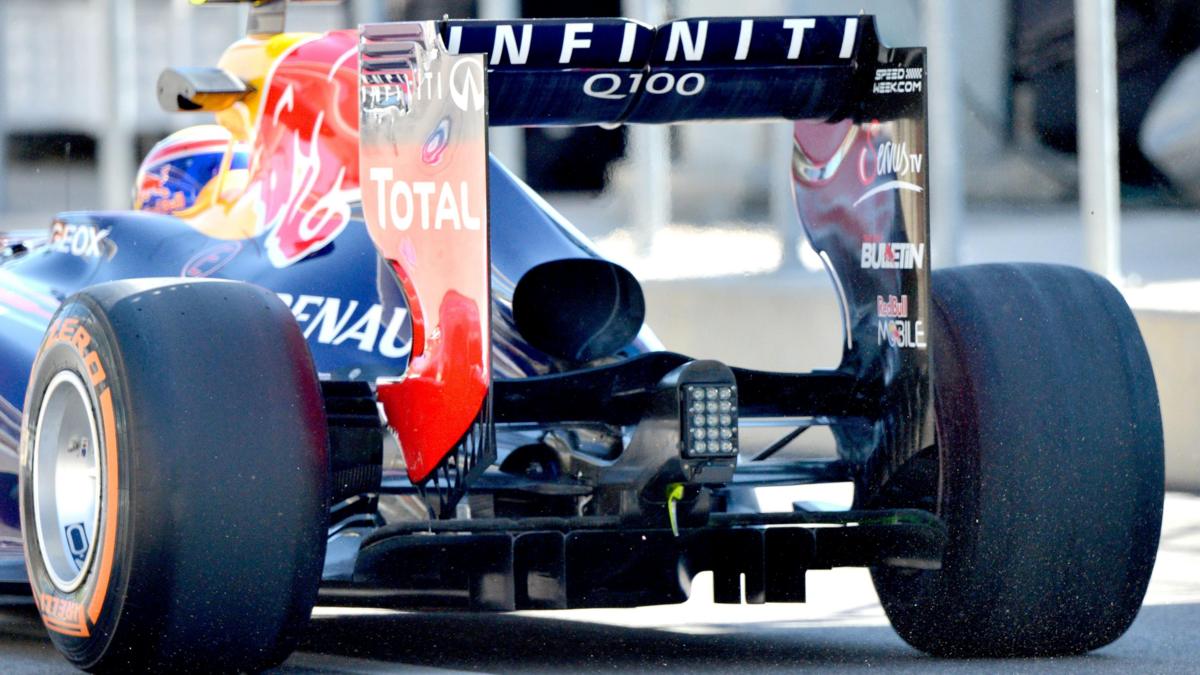
- Mohammed Ben Sulayem proposes a return to a naturally aspirated V8 engine with a token hybrid, mirroring the 2013 F1 formula.
- F1 power units use a 1.6‑liter V6 turbo with a 50/50 split between combustion and electric power, leading to excessive energy‑management constraints that hamper qualifying performance.
- Concorde Agreement ends in 2030, after which the FIA could set 2031 engine regulations without the usual consultation, prompting Ben Sulayem to push for changes before the deadline.
- Audi, Ford and General Motors have joined F1 under the current rules, and Honda has reversed its earlier exit, indicating manufacturers’ stake in the engine debate.
- Stakeholders are reportedly open to reducing the level of electrification and modifying the internal combustion component while keeping the carbon‑neutral sustainable fuels introduced this year.
Why it matters: Teams risk losing performance if the 50/50 hybrid split stays, while manufacturers like Audi, Ford and GM gain influence by shaping a less‑electrified power‑unit before the 2030 Concorde deadline.
Ask SkimNews