Yen hits three-month high after Trump helps prop up currency
Get the Finance newsletter
Daily finance — markets, central banks, M&A, the prints that move money. Free.
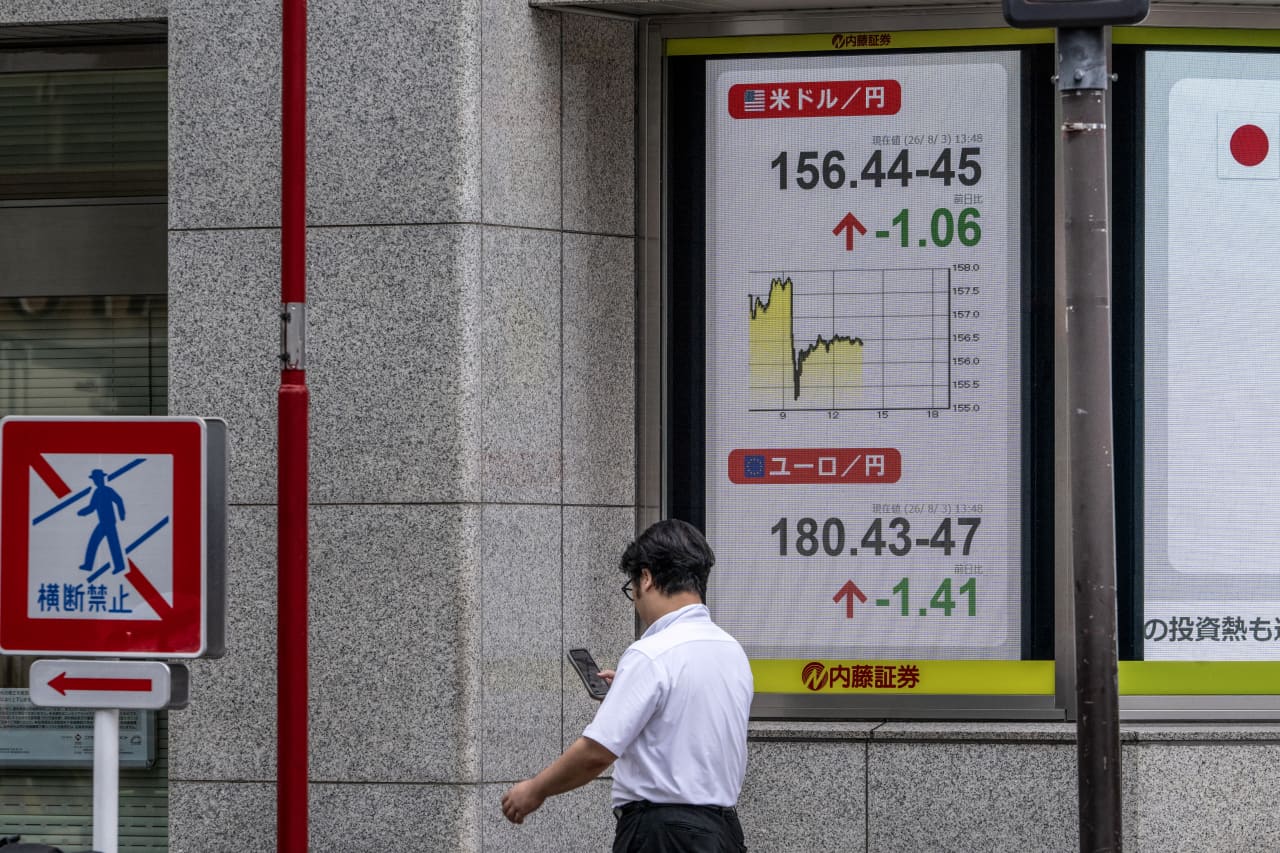
- Yen rose to ¥155 against the dollar on Monday, its strongest level in three months, after Japan and the US carried out a rare joint yen-buying intervention late last week.
- Bank of Japan data suggested Tokyo spent as much as $36.58 billion on Friday to strengthen the currency, which had weakened to a roughly 40-year low near ¥164.
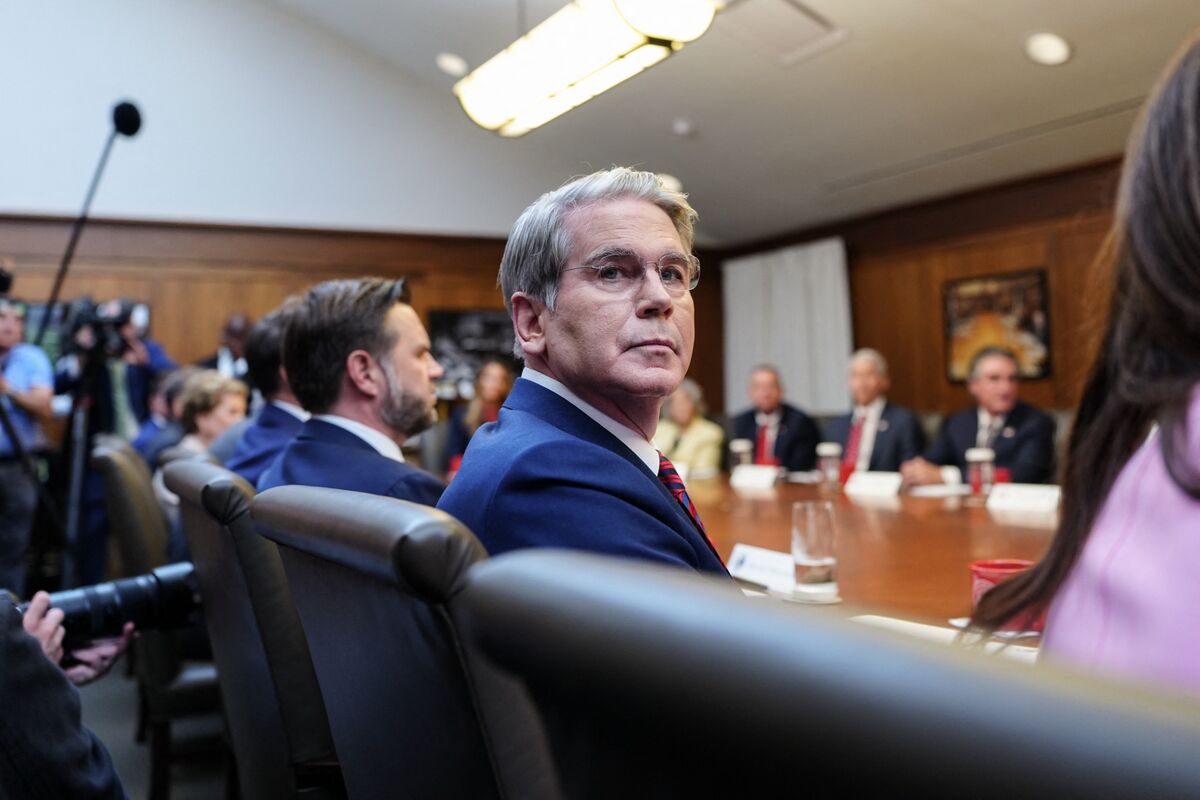
- Scott Bessent said the US "will not hesitate to participate in further joint intervention," and a photo of his cabinet-meeting notebook listed buying $5–10 billion of yen as a to-do item.
- The Financial Times reported Washington sold euros rather than dollars to buy yen, apparently to avoid signaling it wanted a weaker US currency.
- This is the first Japan-US currency collaboration since March 2011, when the two intervened to weaken the yen after the Tohoku earthquake.
- Oxford Economics warned the intervention alone won't reverse the yen's weakness, projecting the BoJ will wait until December to raise rates further.
- PM Sanae Takaichi's push for tax-and-spending stimulus and criticism of BoJ rate hikes have weighed on the yen in recent months.
Why it matters: Japan spent up to $36.58 billion pushing the yen off a 40-year low, while the US Treasury sold euros — not dollars — to avoid signaling a weaker-dollar policy. The intervention buys the Bank of Japan breathing room to delay rate hikes until December, but Oxford Economics warns it alone won't reverse the yen's structural weakness.