Havana Trash Crisis Deepens Under US Oil Blockade — SkimNews

SkimNews Take
A foreign policy designed to isolate can unintentionally create public health crises, as the halt of essential services like waste collection directly impacts the spread of disease within the targeted population.
Get the Energy newsletter
Daily energy & climate — solar, EVs, oil, the policy fights and tech bets shaping the transition. Free.
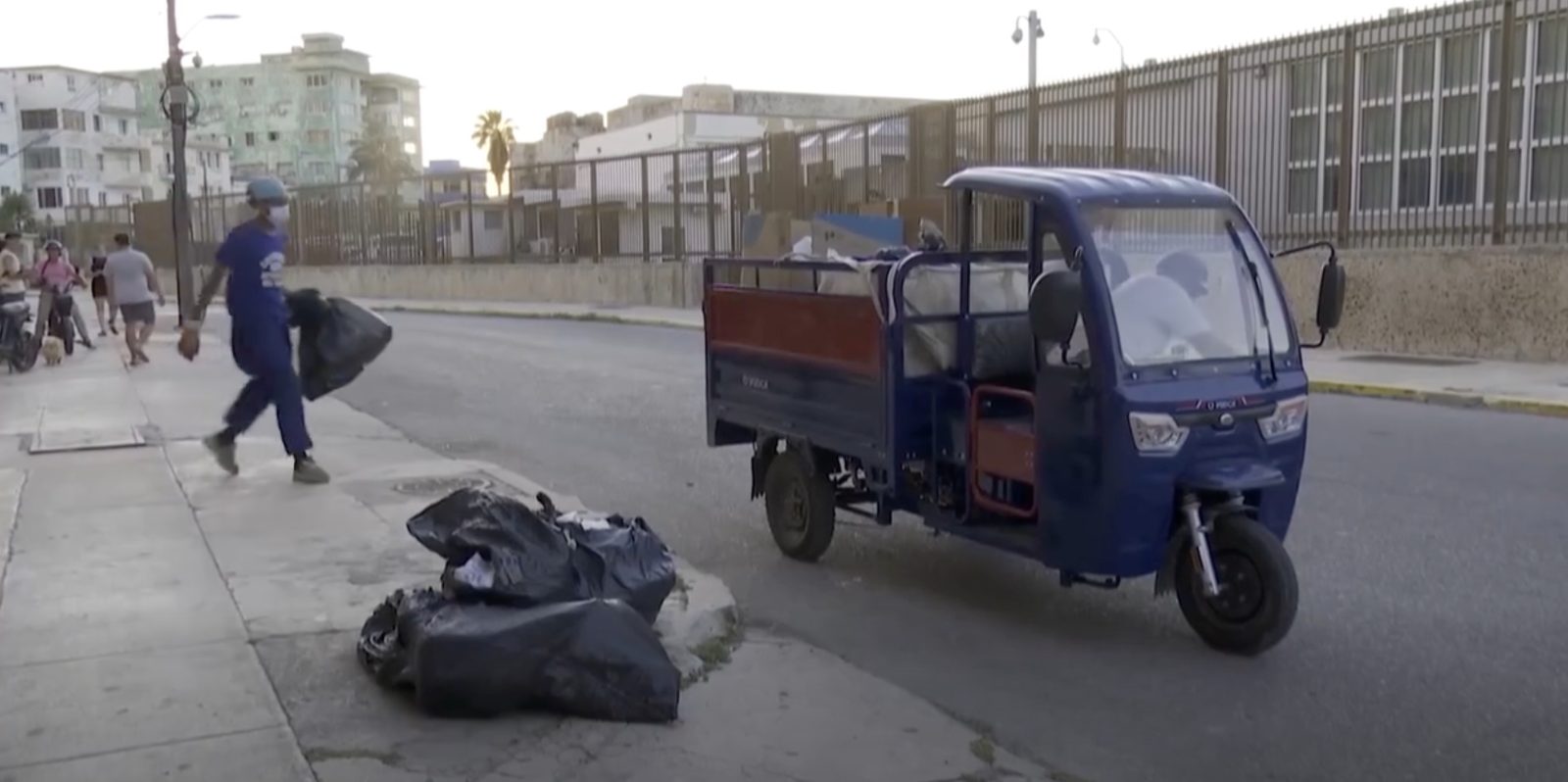
- Havana's waste collection has collapsed under the US oil blockade, with less than half of rubbish trucks operational and pickups reduced from once a week to once a month, forcing residents to dump household waste on the streets.
- Cuban authorities designated 122 temporary waste collection points in Havana, 24 of which use "controlled incineration"; the state-run Cuban Neuroscience Center warned that unofficial fires burn at lower, inconsistent temperatures, releasing substances that can persist in the human body for a decade.
- The US oil restrictions have driven fumigation costs up tenfold, according to Diego Sanchez, a private fumigation company owner, who said inadequate fumigation will likely fuel another mosquito infestation.
- A chikungunya epidemic late last year affected as much as a third of Cuba's population, and Dr. Maria Salvador reports rising hepatitis cases — especially among children — and gastrointestinal illness she links to the mounting rubbish.
- El Bote del 100, Havana's main landfill just kilometres from the city centre, holds 52 million cubic metres of waste across 105 hectares, a smouldering wasteland whose noxious fumes have drawn complaints from nearby communities.
- In March, Cuba's government launched "Cuba Recycles," a year-long initiative to build awareness around recycling and introduce new collection points for recyclable waste, though chef Carlos Blanco conceded: "Here we don't have a culture of recycling. None."
- With Havana's rainy season approaching (May to November), uncollected waste threatens to trigger a fresh wave of mosquito-borne illness, compounding pressure on a medical system already strained by blackouts and scarce medicine, where surgeries are being cancelled.
Why it matters: With the rainy season weeks away and fumigation costs up tenfold, Havana's uncollected waste is primed to fuel a second wave of mosquito-borne disease on top of a chikungunya epidemic that already hit a third of the island — striking a medical system already buckling from blackouts, drug shortages, and cancelled surgeries.
Ask SkimNews