Russia, China Veto UN Resolution on Strait of Hormuz — SkimNews
Get the Geopolitics newsletter
Daily geopolitics — wars, elections, sanctions, the diplomatic moves that move markets. Free.
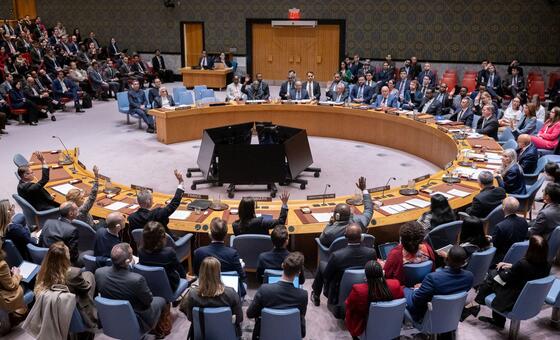
- Russia and China vetoed a UN Security Council resolution to boost security in the Strait of Hormuz, with 11 countries voting in favor and Colombia and Pakistan abstaining from the 15-member Council.
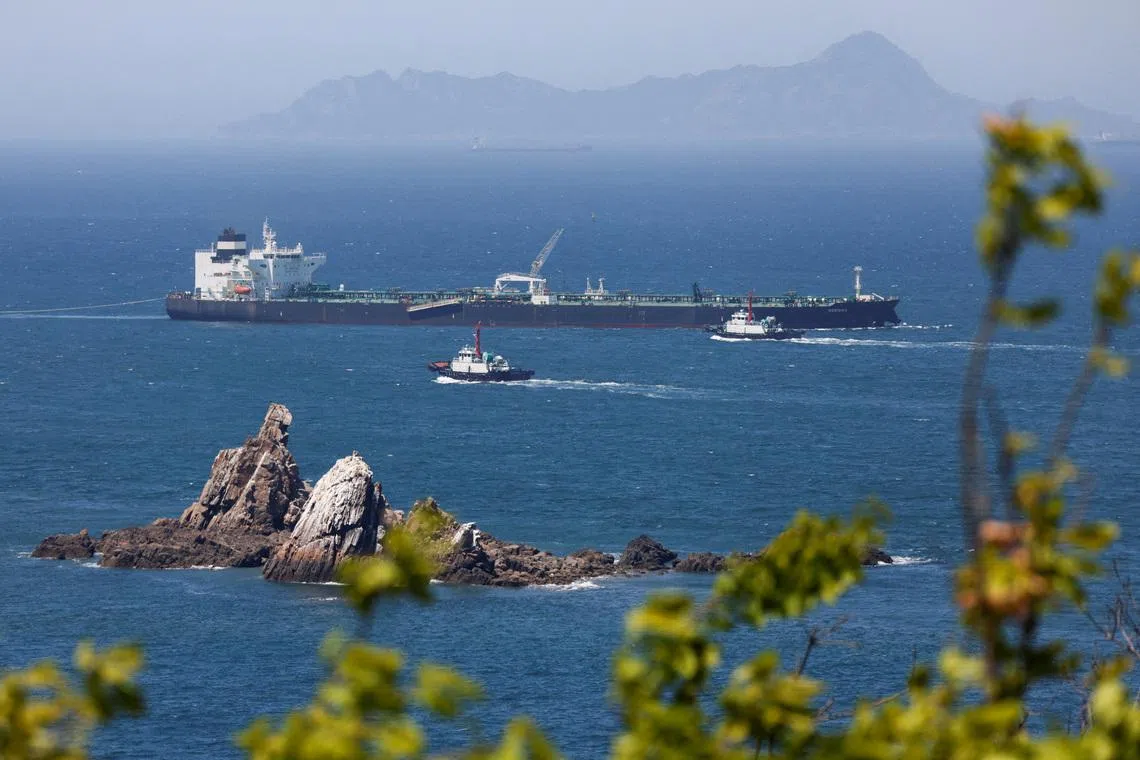
- The draft resolution, submitted by Bahrain alongside Jordan, Kuwait, Qatar, Saudi Arabia and the UAE, demanded that Iran immediately cease all attacks on shipping and any attempt to impede transit or freedom of navigation, and encouraged states to coordinate escorts for merchant vessels.
- Bahrain's Foreign Minister Abdullatif bin Rashid Al Zayani said the Council's failure "sends the wrong signal to the world," warning that the threat to international waterways would "pass without any decisive action by the international organization."
- US Ambassador Mike Waltz accused Iran of "taking the Strait of Hormuz hostage" and "attempting to take the world's economy hostage," insisting the waterway is "too vital to the world to be... weaponized by any one State."
- Russia's Ambassador Vassily Nebenzia justified the veto by arguing the resolution presented Iranian actions as the sole source of regional tensions while illegal attacks by the US and Israel were "not mentioned at all."
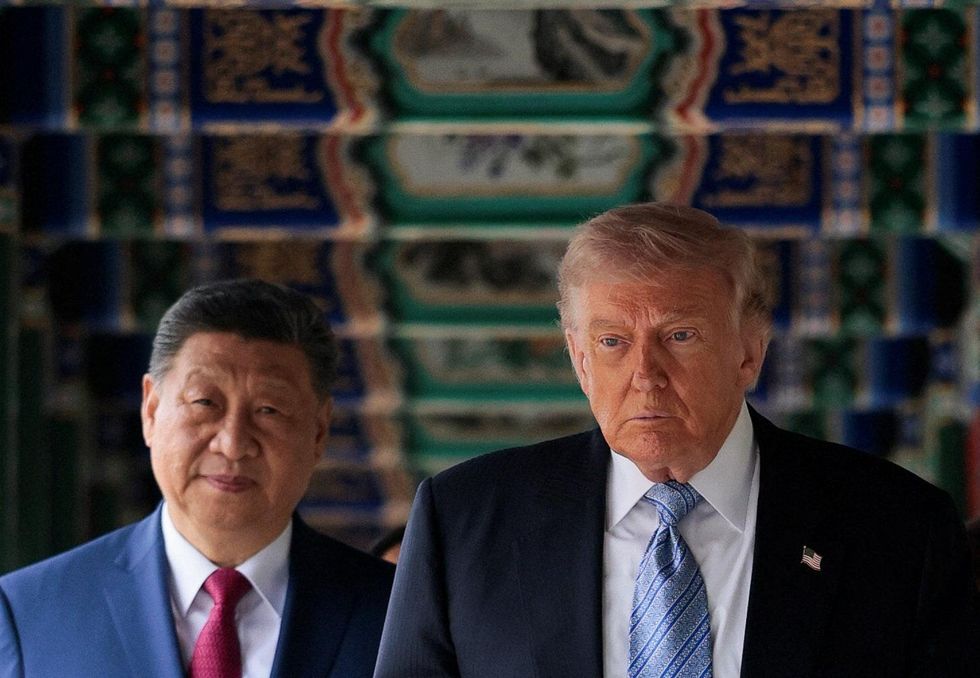
- China's Ambassador Fu Cong said the draft "failed to capture the root causes and the full picture of the conflict in a comprehensive and balanced manner," echoing Moscow's framing.
- Iran's Ambassador Amir Saeid Iravani dismissed the draft as an attempt "to punish the victim for defending its sovereignty and vital national interests in the Persian Gulf and the Strait of Hormuz."
Why it matters: The veto blocks any UNSC action on shipping security in the Strait of Hormuz, a critical corridor for global trade and humanitarian aid, leaving Iran's disruption of commercial vessels unaddressed. The 11-2-2 split — six Gulf states united behind the resolution while Russia and China cited the omission of US and Israeli strikes — deepens the geopolitical fault lines framing the conflict.
Ask SkimNews