Xi to Trump: Taiwan Independence Is 'Fire and Water'
SkimNews Take
The phrase "Taiwan independence" functions less as a concrete policy than as a diplomatic tripwire — its deliberate ambiguity lets Beijing issue warnings without specifying a threshold and lets Taipei deny pursuing it, keeping the status question permanently unresolved.
Get the Geopolitics newsletter
Daily geopolitics — wars, elections, sanctions, the diplomatic moves that move markets. Free.
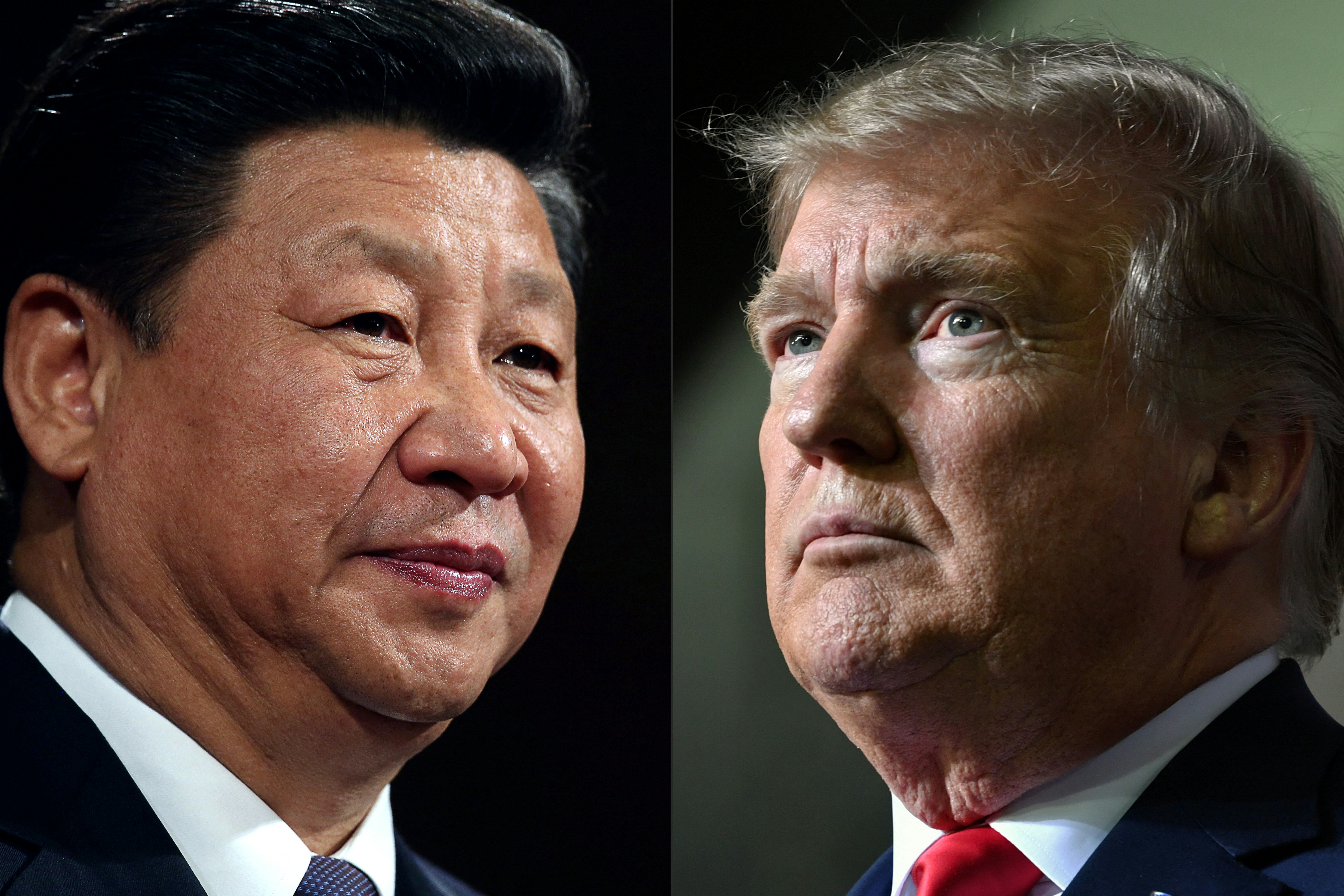
- Xi Jinping told Trump on Thursday that disagreement over Taiwan could send U.S.-China relations down a "dangerous path," declaring that "Taiwan independence" and cross-strait peace are "irreconcilable as fire and water."
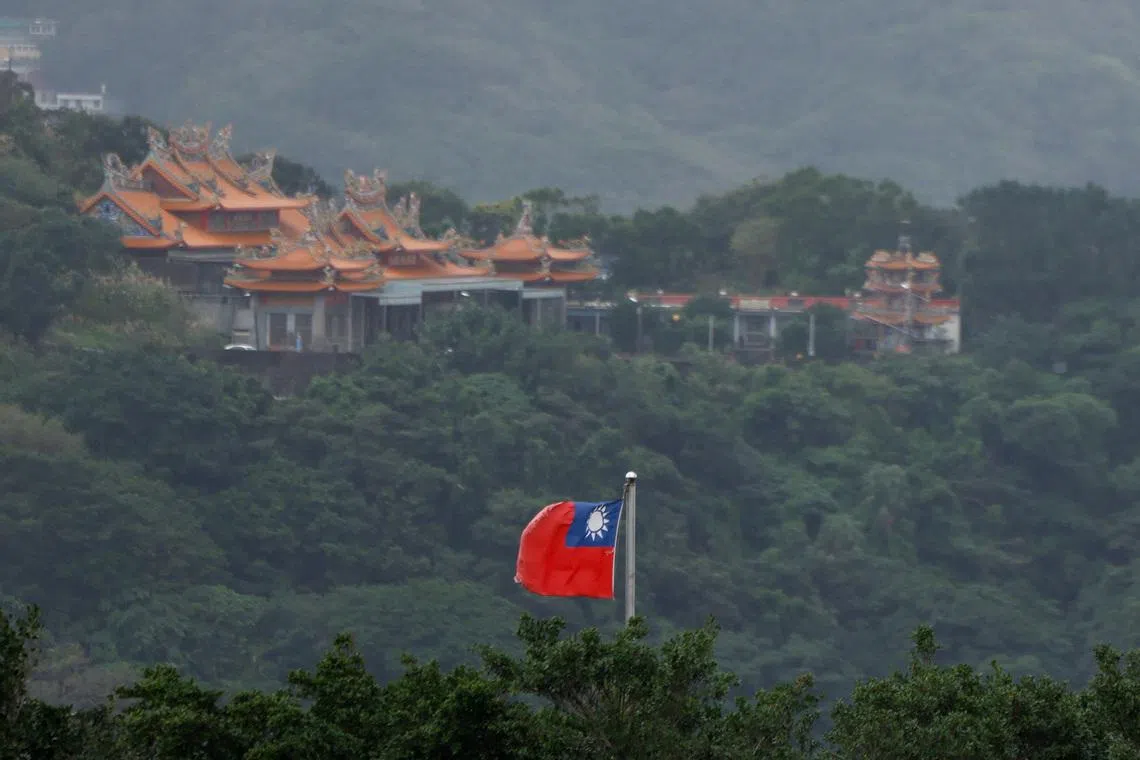
- Taiwan operates as a de facto independent country with its own elected leaders, military, passport, and currency, though only 12 countries — mostly small developing nations like Belize and Tuvalu — maintain formal diplomatic ties with Taipei.
- The Republic of China government fled to Taiwan in 1949 after losing China's civil war to Mao Zedong's Communists, and "Republic of China" remains the island's formal name today; the PRC was set up as the sole legitimate government of all China, including Taiwan.
- The United States severed official ties with Taipei in 1979 in favor of Beijing but is bound by the Taiwan Relations Act to provide Taiwan defensive means, and officially takes no position on sovereignty under its "One China" policy — a position reinforced by the declassified Reagan-era Six Assurances on arms sales.
- China's 2005 Anti-Secession Law gives Beijing legal basis for military action against Taiwan if it secedes or if "possibilities for a peaceful reunification should be completely exhausted," though the law is vague on specifics.
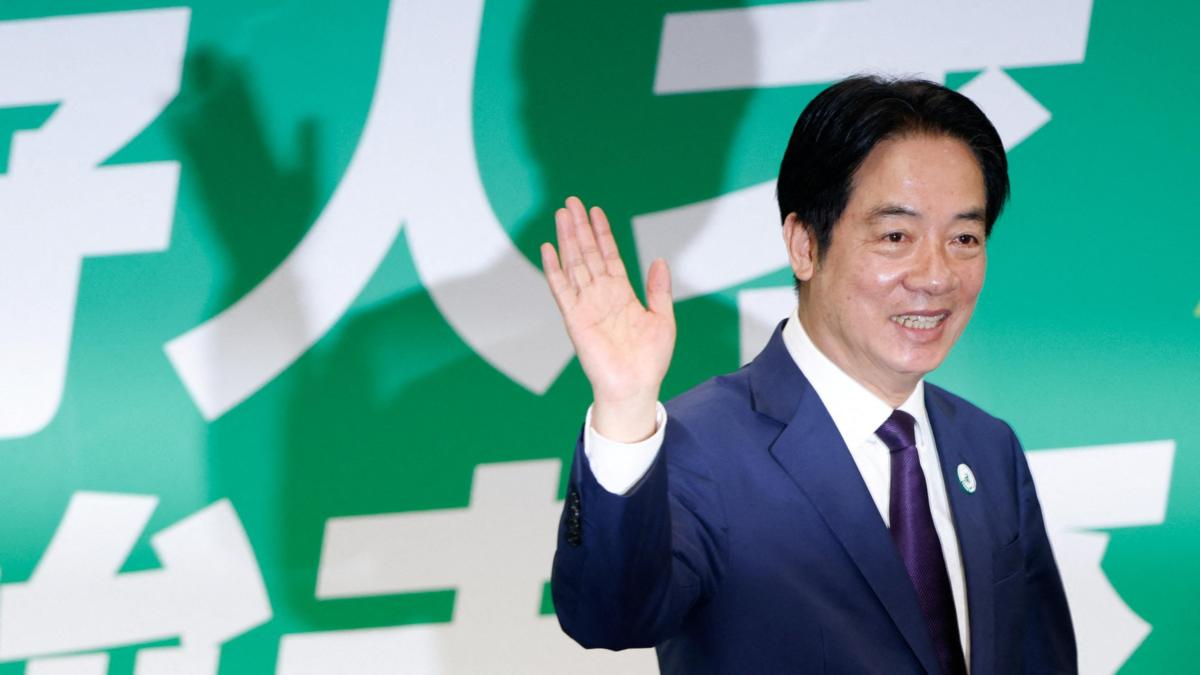
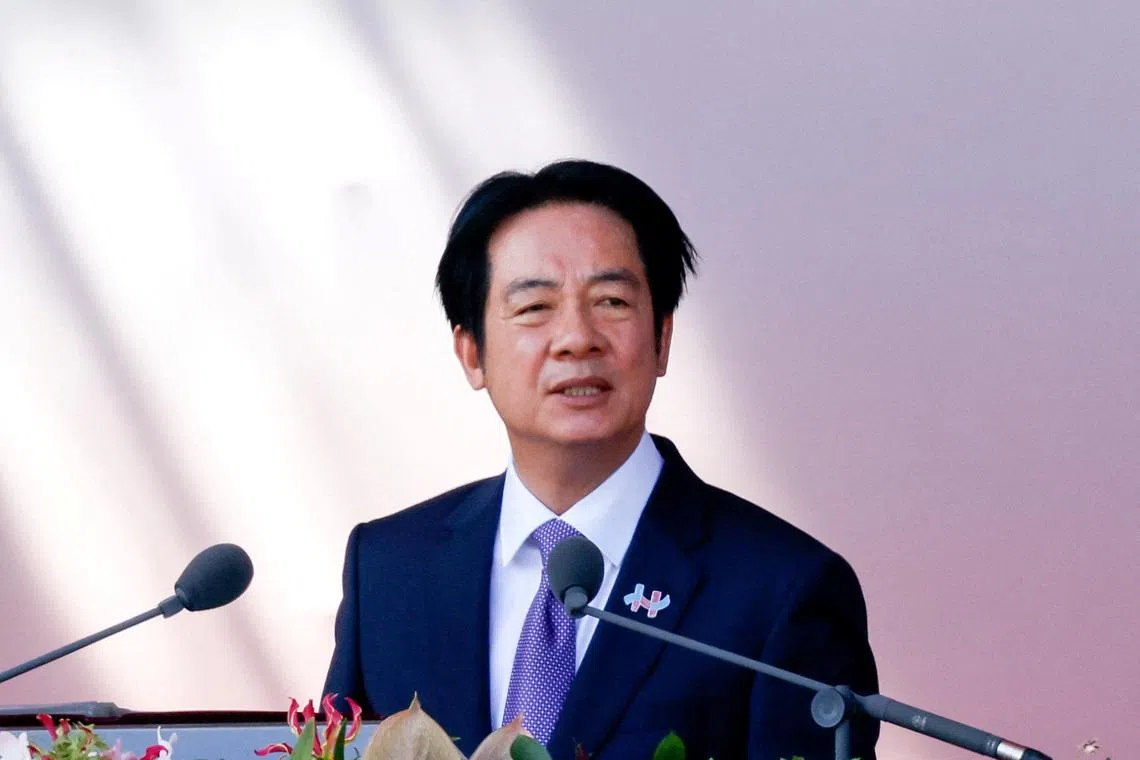
- President Lai Ching-te, whom Beijing calls a "separatist," has said the ROC and PRC are "not subordinate to each other"; declaring a "Republic of Taiwan" would require 75% parliamentary approval of a constitutional amendment plus a referendum, and the ruling DPP and opposition KMT currently hold an equal number of seats.
- China claims UN Resolution 2758, passed in 1971 when Beijing took over the China seat at the UN, means the world legally recognizes Taiwan as part of China — a reading Taipei calls "nonsense" and that the U.S. State Department last year said China was "intentionally mis-characterizing."
Why it matters: The explainer shows the core standoff in stark terms: Taiwan already functions as an independent state, but Beijing's Anti-Secession Law, the UN Resolution 2758 dispute, and Taipei's own 75% constitutional threshold (in a deadlocked parliament) all block any formal change — meaning Xi's fiery rhetoric points at a status quo that is already frozen by design.
Ask SkimNews