Faisal Islam: Iran war pause is welcome but the economic scars will last
Why it matters: A modest rise in UK domestic energy bills is almost certain in July, impacting households.
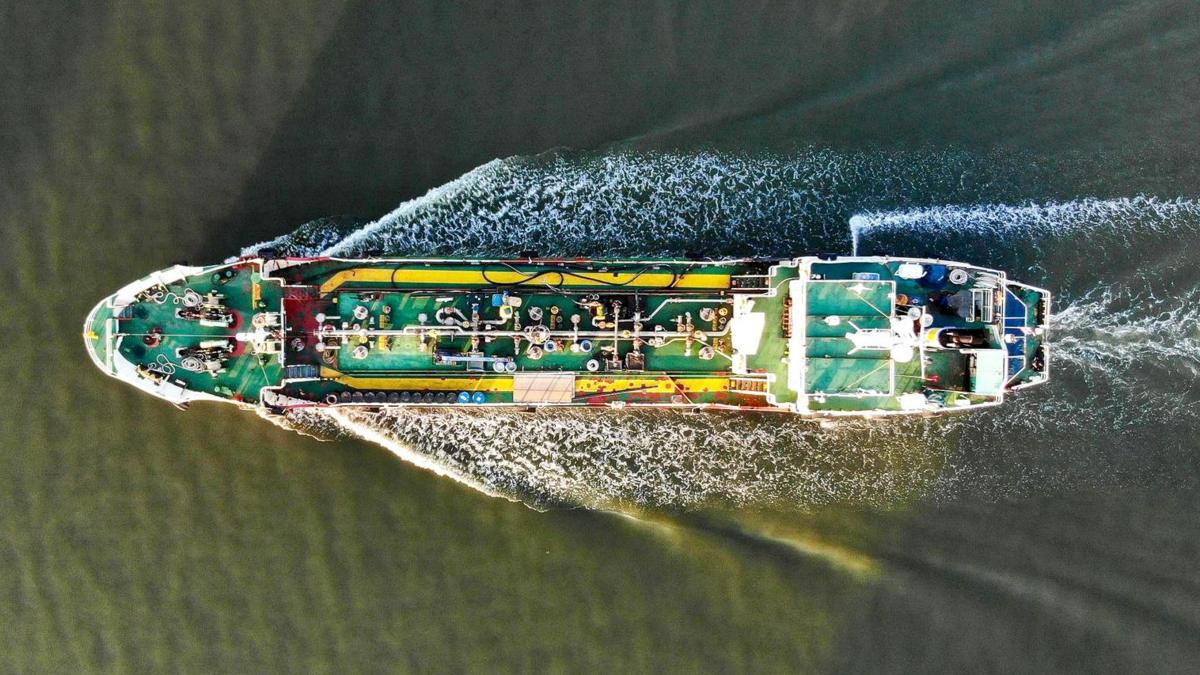
- Approximately 800 ships were stuck in the Strait of Hormuz for six weeks, causing rising petrol and diesel prices, higher airfares, and swelling mortgage rates globally.
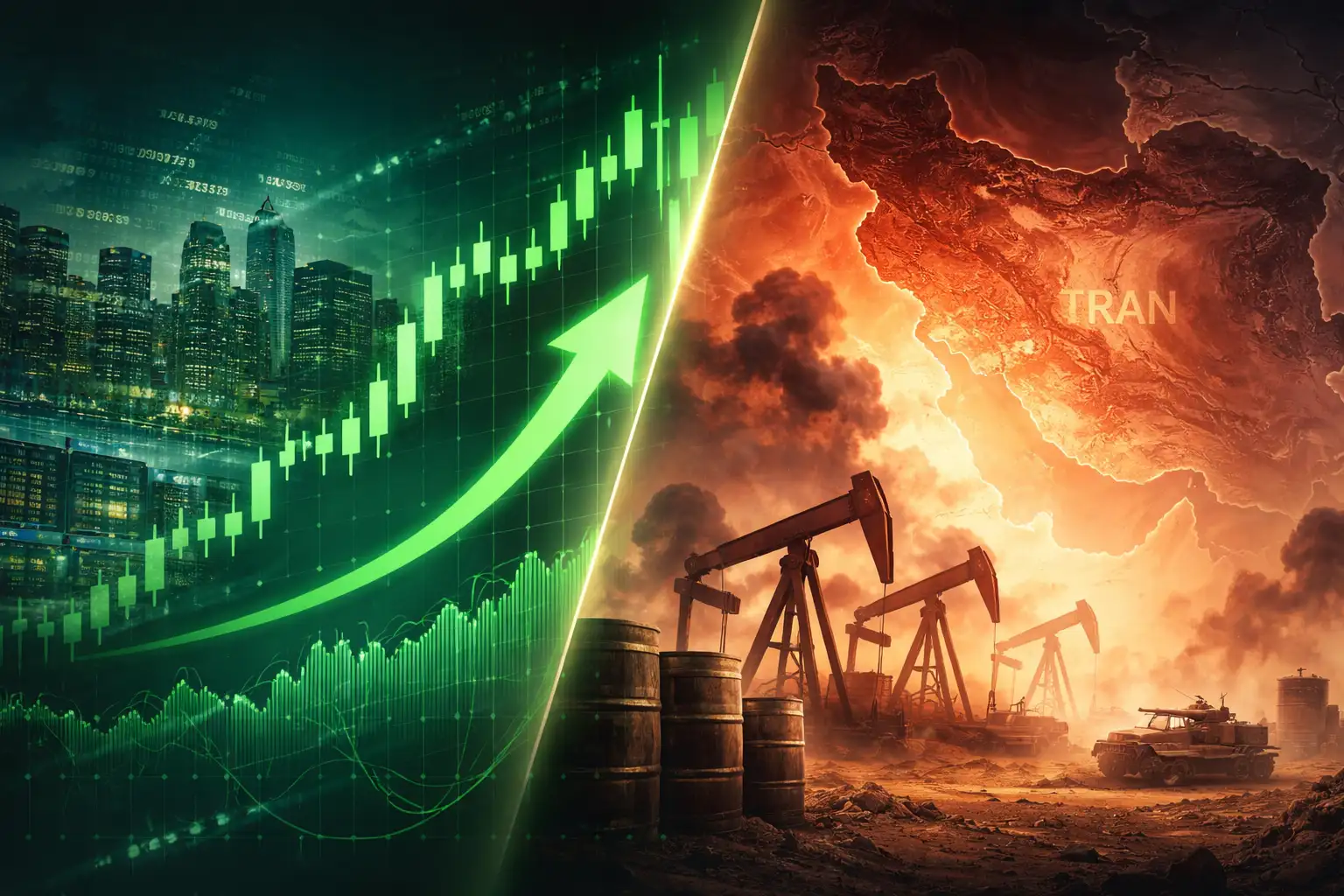
- Markets responded positively to the ceasefire with 15% falls in oil and gas prices and a rally in stock markets.
- Iran's Foreign Minister suggests Strait of Hormuz traffic will flow "via coordination with Iran's Armed Forces and with due considerations to technical limitations," contrasting with US President Donald Trump's suggestion of free flow.
- Global gas production is expected to be damaged for years, particularly in Qatar, requiring a sustained flow of LNG tankers from the Gulf to Europe to contain rising bills.
- Iran has established control over the Strait of Hormuz, even collecting tolls, raising questions about whether this new reality, including a suggestion of joint coordination with Oman, will be accepted by Gulf nations.
A recent ceasefire in the Iran conflict has brought a welcome pause to escalating global economic pressures, evidenced by a 15% drop in oil and gas prices and a stock market rally. However, significant economic scars are expected to persist, with differing accounts from Iran, the US, and Israel regarding the basis for negotiations and the future control of the crucial Strait of Hormuz.