South Korea in Football Crisis After World Cup Exit
Get the Sports newsletter
Daily sports — scores, transfers, the storylines from the leagues you actually follow. Free.
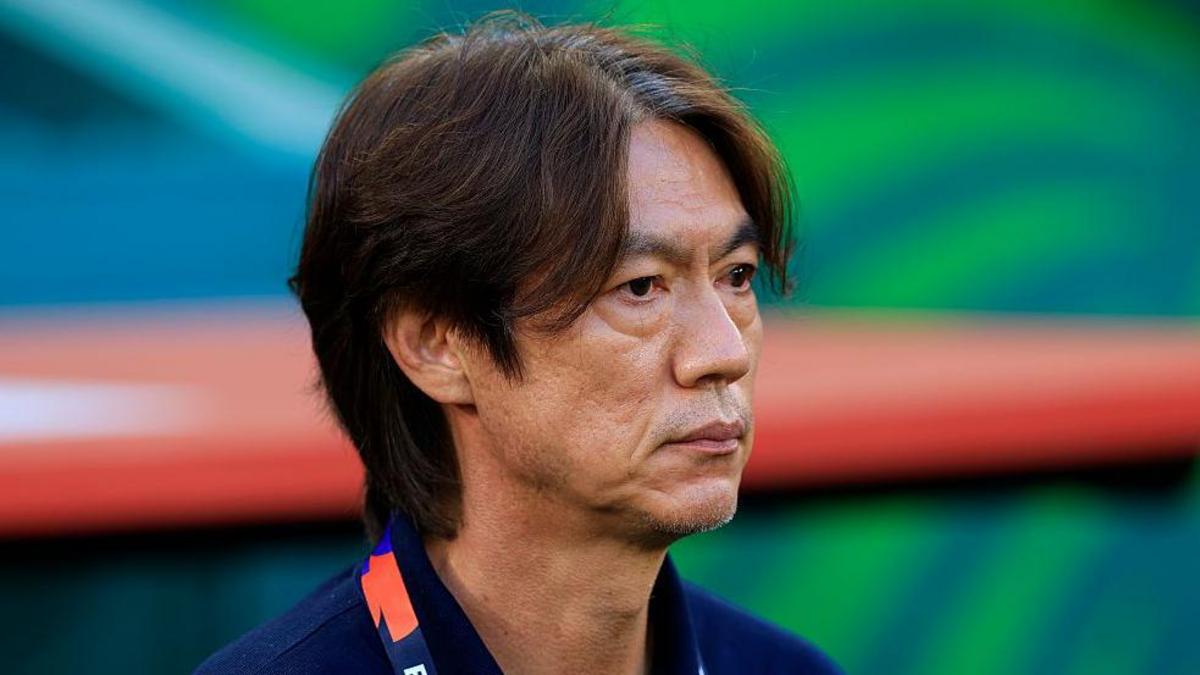
- Hong Myung-bo resigned as South Korea head coach hours after the 2026 World Cup elimination was confirmed, with reported death threats following and player and staff arrival locations back in South Korea kept secret
- South Korea finished Group A with one win and two losses — beating Czech Republic 2-1, losing 1-0 to Mexico, then falling to South Africa after Hong left captain Son Heung-min on the bench, a defeat Lee Young-pyo called "the worst match by a Korean football team in the 21st century"
- President Lee Jae-myung posted on social media attacking "favouritism and cronyism" in KFA leadership, writing that the early exit "appears to be a failure of organisation and personnel"
- Chung Mong-gyu, KFA president since 2013 and a member of the Hyundai-owning family, bypassed usual hiring procedures to appoint Hong in July 2024 — a Ministry of Sports investigation in November 2024 recommended his suspension, and he announced in May he would step down after the World Cup
- Japan has overtaken South Korea: in October Brazil beat South Korea 5-0 in Seoul then lost 3-2 to Japan in Tokyo, and in March Japan became the first Asian team to beat England, winning 1-0 at Wembley
- Son Heung-min, who turns 34 in July, faces uncertainty over his international future; earlier in June, media personnel were caught on camera mocking his military exemption, prompting the squad to boycott domestic media duties for several days
Why it matters: South Korea — Asia's most successful World Cup team with 11 successive appearances — now has no coach, a departing federation president under investigation, and presidential pressure for reform after a decade of cronyism allegations. With Japan's entirely European-based squad consistently beating sides that dismantle the Koreans, the structural gap between the two federations has never been wider, and Chung Mong-gyu's exit may finally clear the path for governance reform that fans and the Ministry of Sports have demanded since at least 2024.