US Stock Market: Prolonged conflict could lift US inflation sharply
Why it matters: A prolonged oil disruption could push U.S. headline inflation above 4% by year-end, challenging the Federal Reserve's 2% target.
- A study highlights that a sustained disruption in oil shipments, particularly through the Strait of Hormuz, could drive U.S. headline inflation well above 4% by the end of the year.
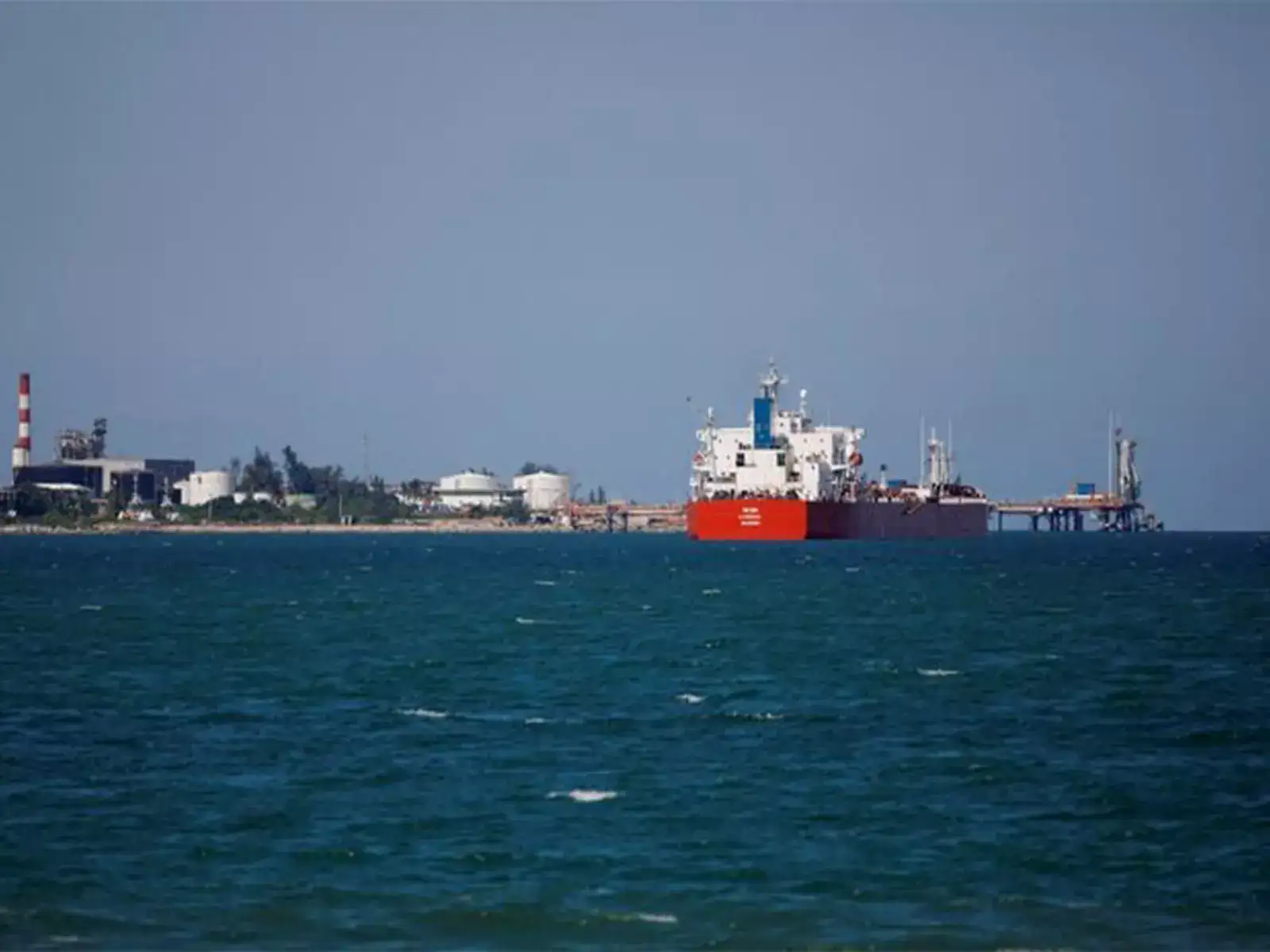
- Reuters notes that the Strait of Hormuz, accounting for roughly a fifth of global oil flows, has already faced significant disruption amid heightened military tensions.
- The Dallas Fed paper outlines scenarios where a prolonged disruption of up to nine months could push oil prices as high as $167 per barrel and lift year-end inflation by as much as 1.8 percentage points.
- U.S. inflation, as measured by the Personal Consumption Expenditures index, was last recorded at 2.8% in January, already above the central bank’s goal.
- Policymakers are particularly concerned about the “second-round effects” of rising inflation, where higher fuel costs feed into broader wage and pricing decisions, potentially entrenching inflation at elevated levels.
- The research suggests that while headline inflation could rise significantly, the impact on core inflation would be more moderate, increasing by less than half a percentage point even in a prolonged disruption scenario.
A new study warns that a prolonged disruption of oil shipments through the Strait of Hormuz could push U.S. headline inflation above 4% by year-end, significantly challenging the Federal Reserve's 2% target. While core inflation and long-term expectations are expected to remain relatively stable, the geopolitical situation continues to inject uncertainty into energy markets, with Reuters noting policymakers' concerns about broader economic impacts.