Two Ships Still Seized After US-Iran Hormuz Ceasefire
Get the Geopolitics newsletter
Daily geopolitics — wars, elections, sanctions, the diplomatic moves that move markets. Free.
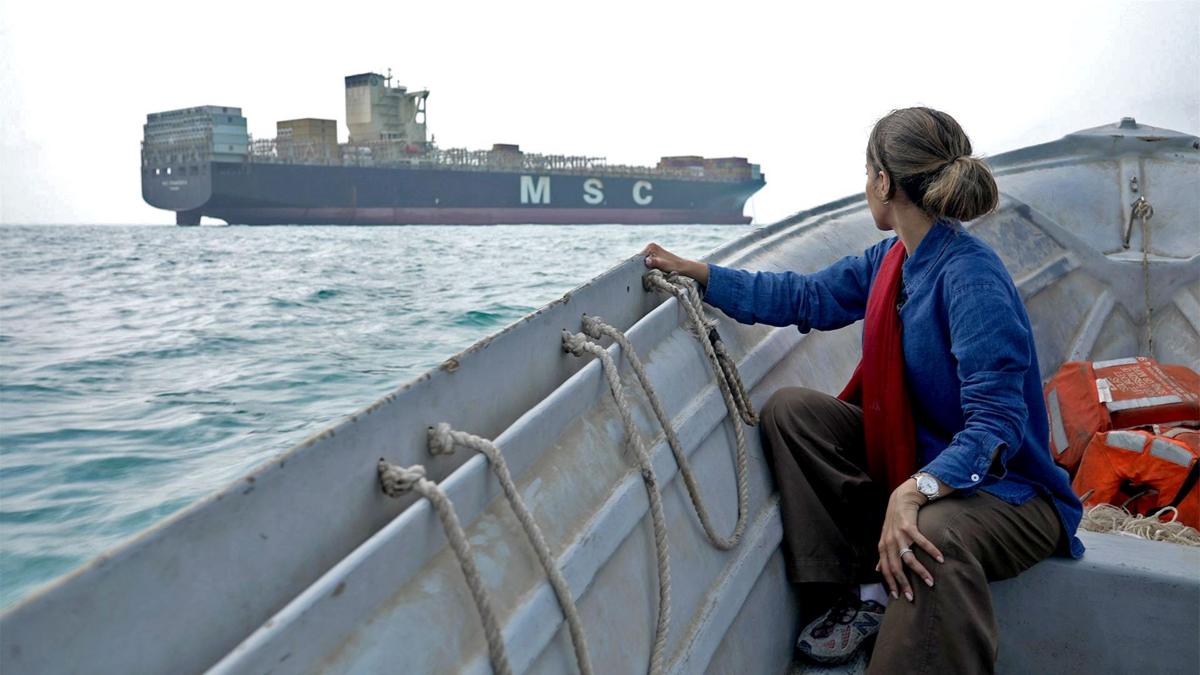
- The IRGC seized two container ships — the Panama-flagged MSC Francesca and Liberia-flagged Epaminondas — in April at the height of the conflict, and neither vessel has been released despite the ceasefire that took effect 8 April.
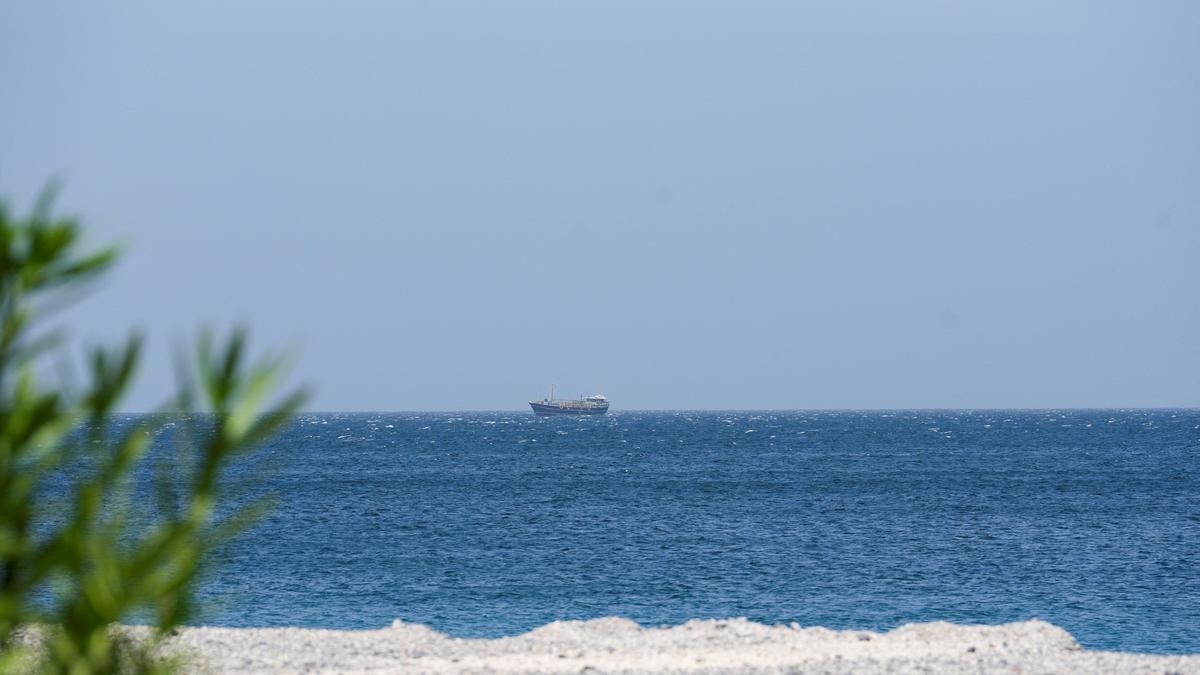
- Iran has not fully reopened the Strait of Hormuz under the ceasefire, with analysts telling the BBC the waterway remains a key leverage point in ongoing US-Iran peace negotiations.
- ACLED data documents at least 96 separate US strikes in and around Bandar Abbas between 28 February and the 8 April ceasefire, while Iran's Red Crescent reports 261 people killed across Hormuzgan province.
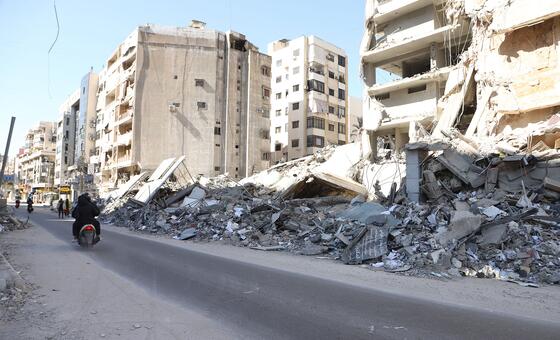
- An Israeli strike on 26 March destroyed a residential apartment block in Bandar Abbas, killing IRGC Navy commander Alireza Tangsiri and three civilians; Fars news agency reported seven others injured and said two missiles hit the building.
- Bandar Abbas mayor Mehdi Nobani told the BBC that if the ceasefire breaks down, Iran would close the Strait of Hormuz "for sure," and argued neither the US nor Israel achieved their military objectives including regime change.
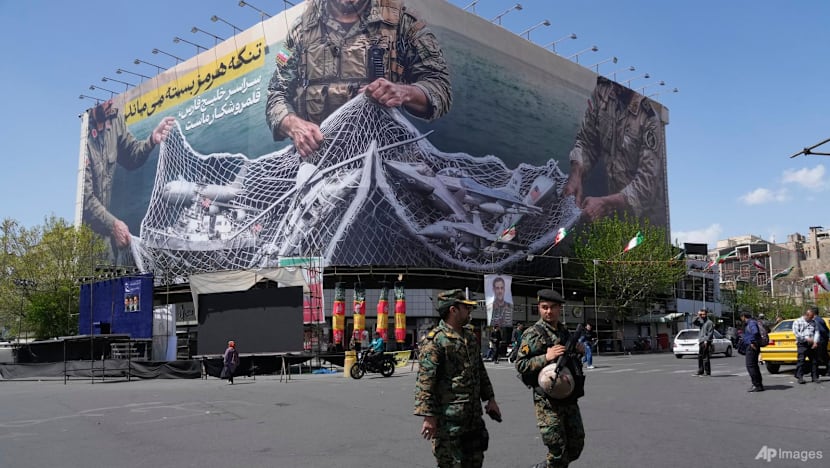
- President Donald Trump repeatedly threatened during the conflict that Iran "won't have a country" if it did not reopen the strait, while around a fifth of the world's oil and gas shipments transit the waterway in peacetime.
Why it matters: Two container ships remain impounded and the Strait of Hormuz is not fully reopened despite a ceasefire, giving Tehran a live bargaining chip in talks over a chokepoint carrying roughly a fifth of global oil and gas shipments. The mayor's warning that Iran would close the strait "for sure" if the ceasefire collapses keeps shipping and energy markets exposed to a sudden reversal tied to diplomacy.