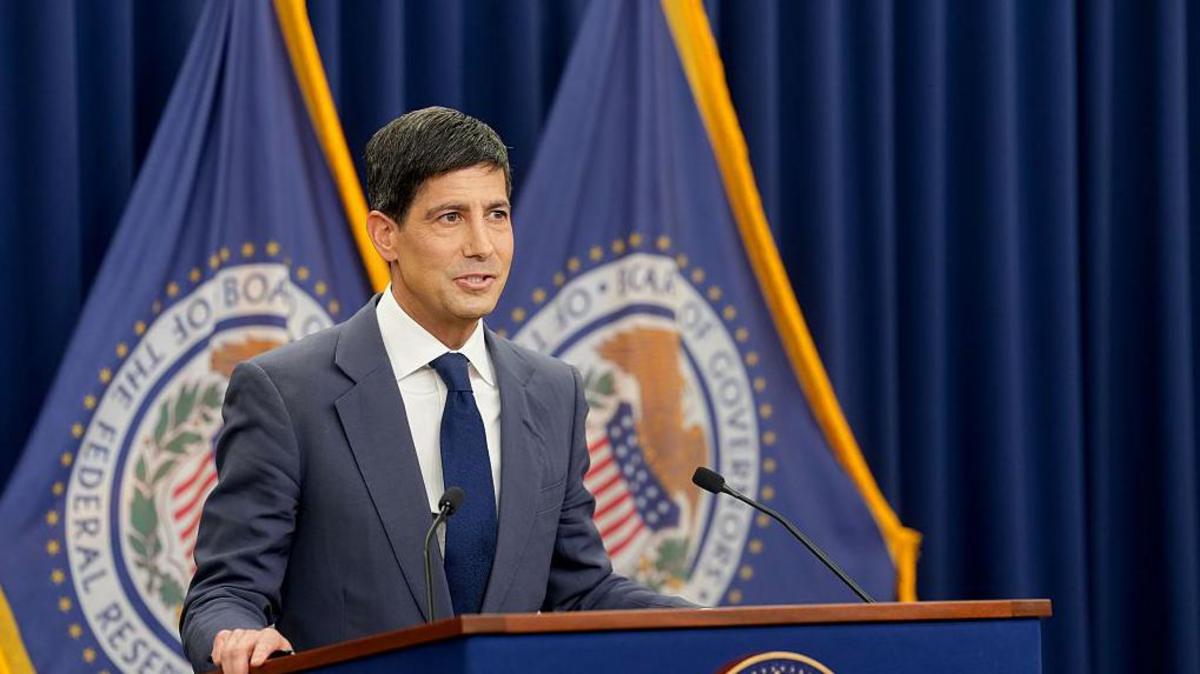
Warsh Unveils Task Forces to Reshape the Fed — SkimNews

Get the Finance newsletter
Daily finance — markets, central banks, M&A, the prints that move money. Free.
- The FOMC held rates steady at 3.5–3.75% in a unanimous vote, but Warsh changed the deliberation process by putting forward a single proposal rather than the multiple policy options prior chairs had offered.
- Warsh unveiled task forces covering communications, the balance sheet, data, productivity and jobs, and the inflation framework, each pairing internal Fed staff with external experts he is personally selecting.
- Warsh withheld his own economic forecast from the Summary of Economic Projections — including the dot plot — effectively devaluing his colleagues' rate-path views while deferring the real communications fight to his task force's end-of-year report.
- The two-year Treasury yield jumped 16 basis points on the day of the statement, a large single-session move that the source flags as investors pricing in eventual rate hikes under the new chair.
- The Fed's decentralized structure — governors on 14-year terms and regional bank presidents with independent voices — sets a hard limit on Warsh's authority, since dissenters can simply vote him down on specific decisions.
Why it matters: The 16-basis-point surge in the two-year Treasury yield shows markets read Warsh's first meeting as hawkish despite the unanimous hold, pricing in rate hikes to come. The end-of-year communications task force report may further shrink public visibility into Fed deliberations — potentially changing transcript releases and the press conference format — concentrating the chair's curated message as the dominant signal.
Ask SkimNews