Sri Lanka's NPP Stalls on Reform 18 Months In

SkimNews Take
A new president and parliament, both elected on reform platforms, create a unique opportunity for progress, yet the ongoing inaction suggests the political system itself, rather than just individual leaders, resists change.
Get the Geopolitics newsletter
Daily geopolitics — wars, elections, sanctions, the diplomatic moves that move markets. Free.
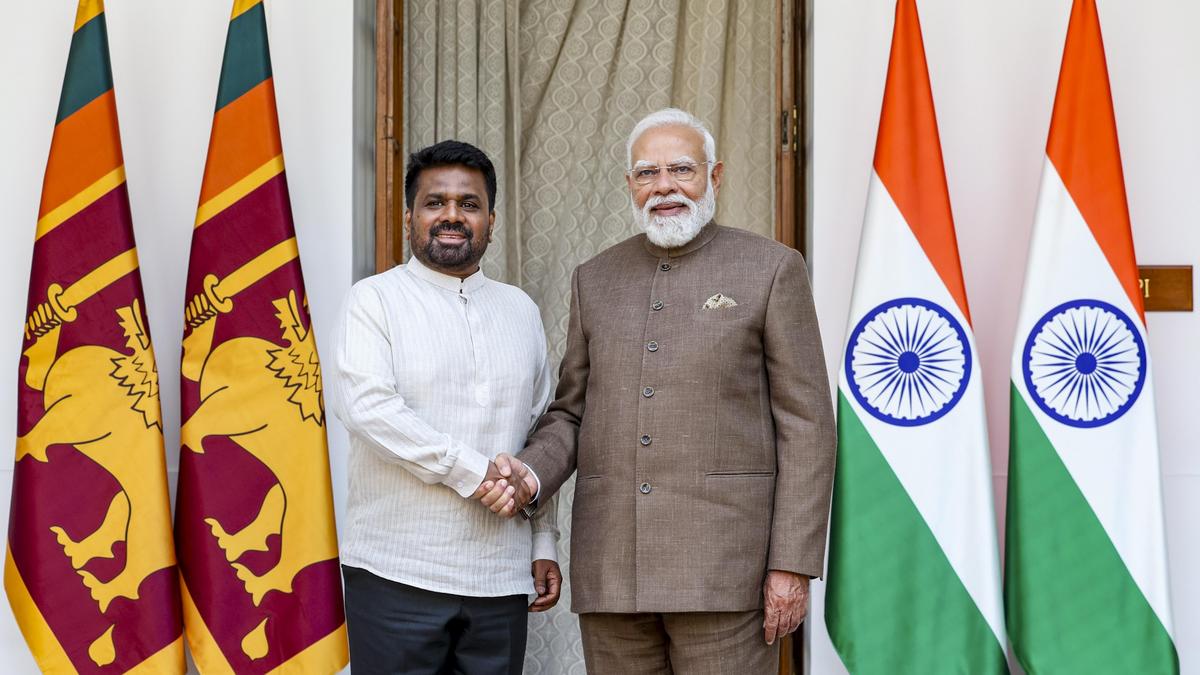
- Anura Kumara Dissanayake's NPP government came to power through the September 2024 presidential election and a two-thirds parliamentary majority later that year, creating a rare reform opening after the 2022 economic collapse and popular uprising that toppled the previous ruling family.
- The NPP's electoral support has eroded, falling from 61% in the November 2024 parliamentary vote to 43% in early May 2025 local elections, as the government's rhetoric on "clean" governance has invited accusations of self-righteousness.
- The government has sustained Sri Lanka's fragile economic recovery by embracing IMF-prescribed reforms from the 2023 bailout it had previously criticized, earning creditor praise but abandoning key electoral promises and leaving few resources for newly impoverished Sri Lankans.
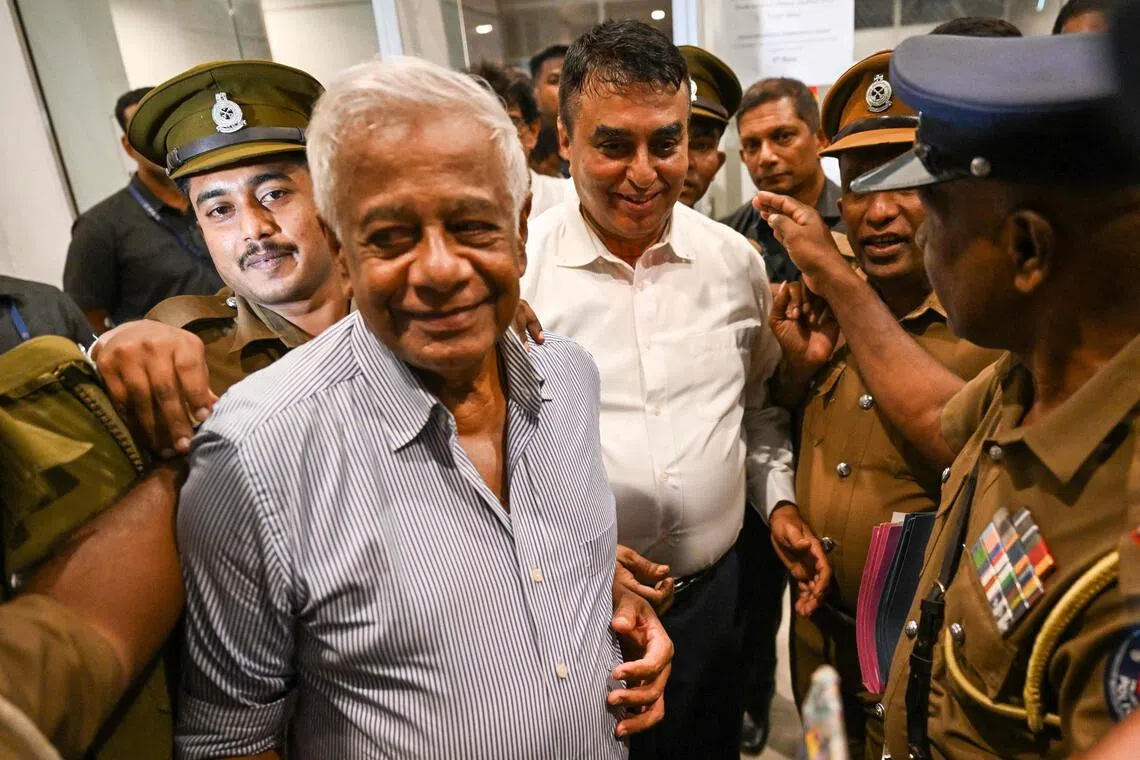
- Anti-corruption agencies have produced a notable increase in arrests and investigations, including the February arrest of a former intelligence chief, with pending accountability tests around the 2019 Easter bombings and political killings under prior administrations.
- The NPP faces a defining test on wartime accountability: Tamil families of the forcibly disappeared continue to face military and counter-terrorism police harassment, and the government's draft anti-terrorism legislation poses a threat to democratic norms.
- Sri Lanka's debt remains one of the highest among middle- and low-income countries even after successful restructuring, leaving the country dangerously exposed to climate-driven storms — including November's devastating Cyclone Ditwah — and spillovers from the Middle East war.
Why it matters: With its two-thirds majority and outsider credibility, the NPP has more political capital than any Sri Lankan government in years to confront entrenched impunity and ethnic division; if it fails to translate that capital into wartime accountability and inclusive governance, the report warns it opens the way back to ethnic tensions and political authoritarianism.
Ask SkimNews