Cubans study oil tanker diplomacy for signs of progress in secret talks with US

Why it matters: The US oil blockade has caused 9.5 million Cubans to face daily blackouts and a collapsing economy.
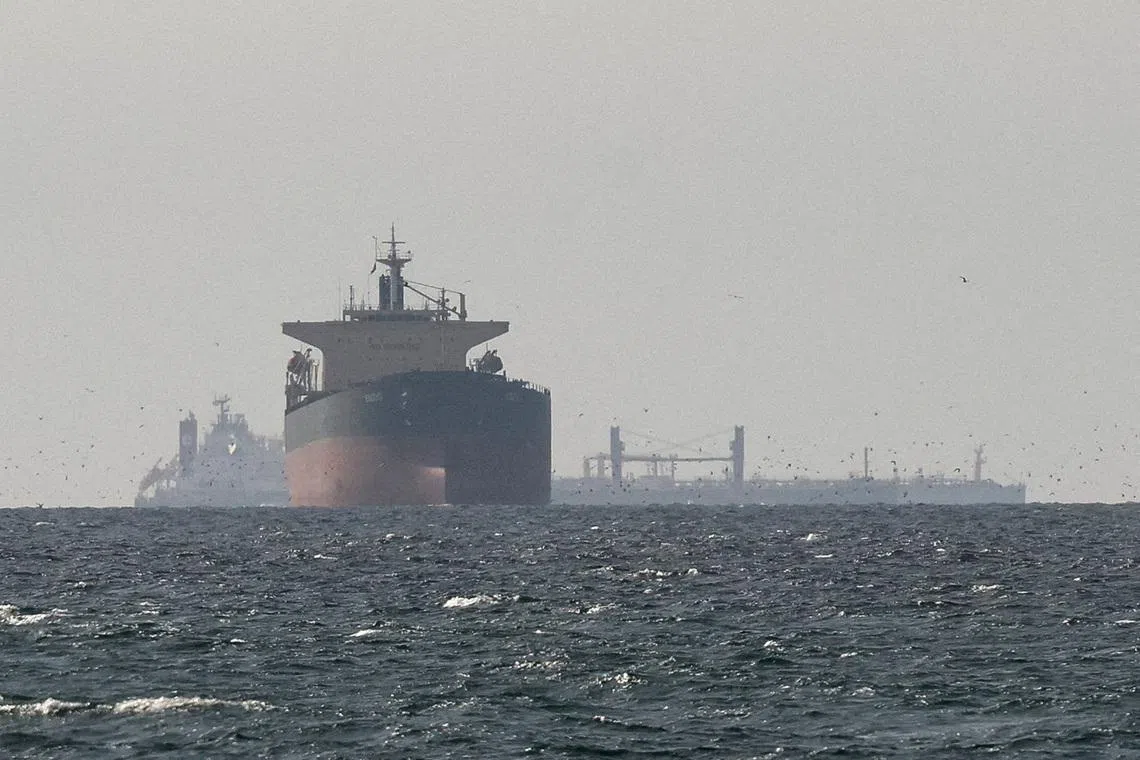
- The Anatoly Kolodkin, a sanctioned Russian oil tanker, docked in Cuba with 700,000 barrels of crude, despite President Trump's earlier "ZERO!" oil blockade proclamation, which he later softened.
- Cuba released 2,010 prisoners, framed as a humanitarian gesture, but widely linked by observers and experts like William LeoGrande to ongoing US-Cuba negotiations as a confidence-building measure.
- The Cuban economy is in severe decline due to the US blockade, with tourism collapsing, widespread petrol station closures, and daily blackouts, leading to an exodus of 2 million people in five years.
- Diplomats and experts initially considered the tanker's arrival a tactical move by the White House to address a worsening humanitarian crisis, but the prisoner release strongly suggests progress in negotiations, as noted by William LeoGrande.
- Another Russian tanker, the Sea Horse, moved to Venezuela after the Anatoly Kolodkin arrived in Cuba, suggesting a coordinated oil shipment strategy to appease US demands following the abduction of Nicolás Maduro.
Despite a US oil blockade, a Russian tanker delivered crude to Cuba, coinciding with a prisoner release, signaling potential progress in secret US-Cuba negotiations. This comes as Cuba faces a severe economic crisis, with observers and diplomats interpreting the events as reciprocal gestures of goodwill rather than a tactical humanitarian move by the White House.