Cropped 8 April 2026: Iran war drives up food prices | Two nature talks conclude | Return of UK’s tallest bird
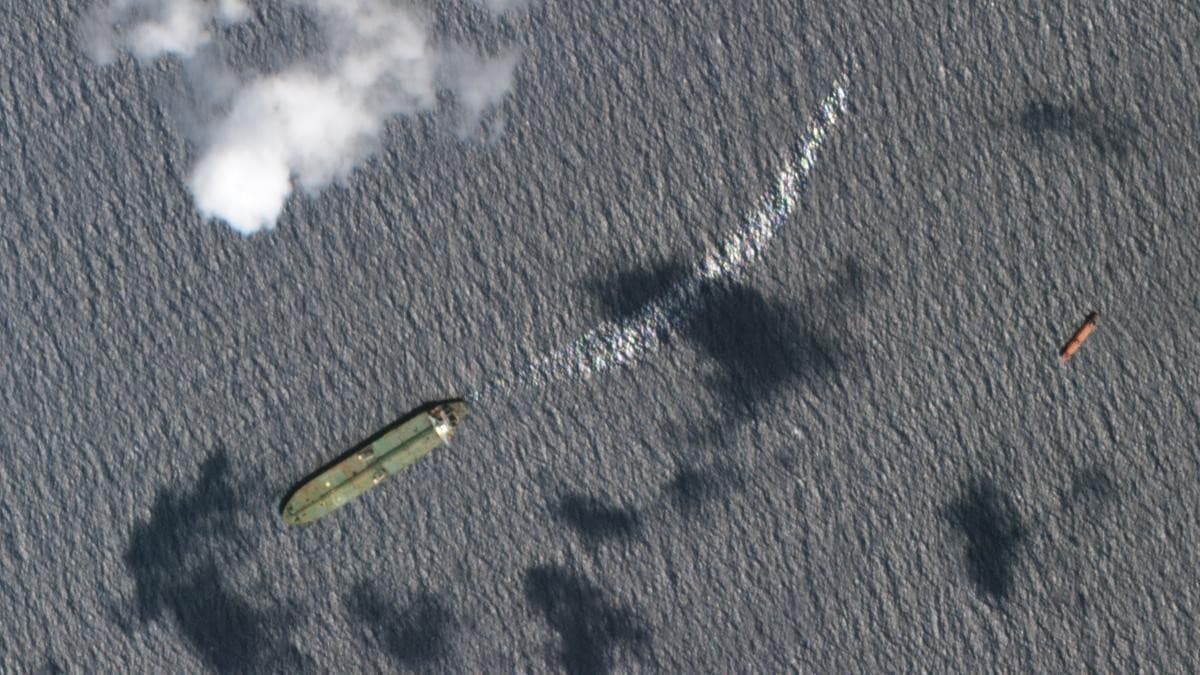
Why it matters: The Iran war is directly disrupting global fertilizer supplies, threatening spring planting in the Northern Hemisphere and winter planting in Australia.
- Ambrose Evans-Pritchard (Daily Telegraph) notes the Iran war has halted the supply of urea, ammonia, and sulfur through the Persian Gulf, threatening planting seasons and compounding reduced fertilizer exports from China and Russia.
- Financial Times reports that fuel and food prices are skyrocketing in Asia and Africa, with impacts on global food prices, including in the US, potentially exceeding those of the 2022 Russia-Ukraine conflict.
- New Scientist emphasizes that the extent of food price increases depends on the conflict's duration and the severity of global warming-fueled weather extremes on crops, suggesting that reducing farming's fossil fuel dependence could mitigate future crises.
- Down To Earth highlights the 15th Conference of the Parties to the UN Convention on Migratory Species' agreement to add 40 species, including cheetahs and snowy owls, to its protected list, with immediate implementation plans.
- Oceanographic details the conference's significant progress for marine species, including commitments to reduce bycatch and integrate critical marine designations into national biodiversity strategies, alongside action plans for the critically endangered European eel.
The ongoing Iran war is driving a severe global food crisis, with skyrocketing fuel and food prices across Asia and Africa, potentially surpassing the impact of the 2022 Ukraine invasion due to disruptions in fertilizer production and exports. The severity of this crisis will be exacerbated by global warming-fueled weather extremes, while international conservation efforts have made strides in protecting migratory and marine species.