Canada to buy 12 hi-tech German submarines after bidding war
Get the Geopolitics newsletter
Daily geopolitics — wars, elections, sanctions, the diplomatic moves that move markets. Free.
- Canada selected ThyssenKrupp Marine Systems (TKMS) on Monday to build 12 submarines — the first time Canada has ever purchased brand-new subs — replacing an aging Victoria-class fleet, three of whose four vessels are currently undergoing maintenance.
- The TKMS contract is estimated at over US$12bn (£9bn) for the vessels alone, with roughly half a century of maintenance bundled in that could push the total above US$70bn; final negotiations between Ottawa and the German firm could still take years.
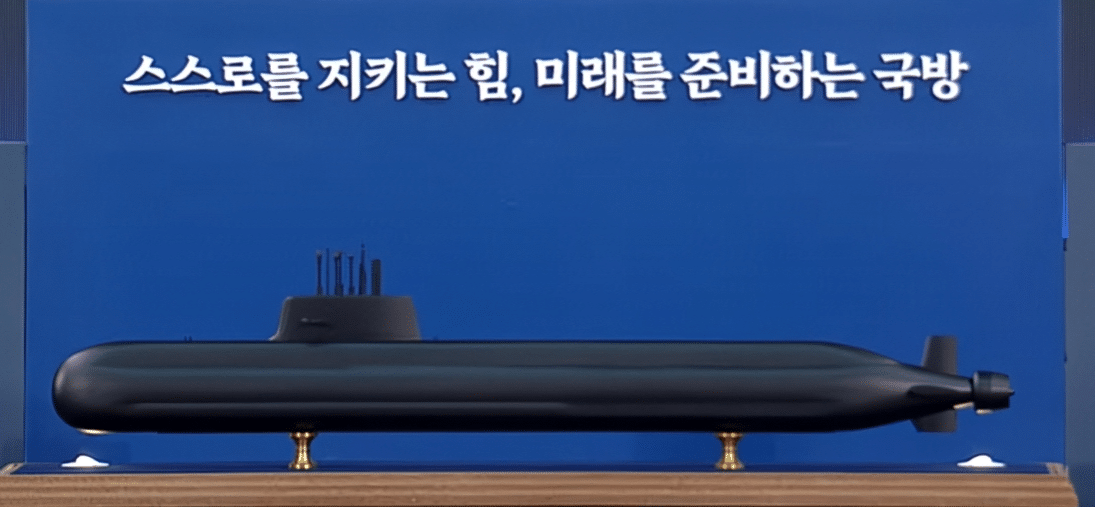
- TKMS's 212CD diesel-electric submarines were picked over Hanwha's KSS-III Batch-II; the German design emphasizes stealth for contested Arctic waters and lengthy surveillance of routes like the Northwest Passage, while the larger Hanwha boats were pitched as better for deep-ocean patrols and heavy weapons deployment.
- Germany's pitch leaned heavily on NATO compatibility — a pointed advantage since South Korea is not a NATO member — while Hanwha promised to source steel from Algoma's Ontario plant and ran a high-profile ad campaign narrated by Canadian journalist Peter Mansbridge.
- Prime Minister Mark Carney toured both shipyards personally before the decision, visiting TKMS's Kiel facility last year and a newly built Hanwha sub at Geoje, South Korea; his Liberal government recently hit NATO's 2% of GDP defence target and has pledged 5% by 2035.
- The submarine deal sits alongside Canada's broader pivot away from US contractors — including a possible 72-jet Saab Gripen order projected to create up to 12,600 Canadian jobs — even as Ottawa remains locked into 18 American-made F-35 purchases.
- NATO Secretary General Mark Rutte told reporters Monday that alliance members were about to announce billions in new contracts, calling the upcoming wave of procurement "the crucial kit we need to deter and defend."
Why it matters: TKMS beat Hanwha partly on NATO alignment rather than raw specs, meaning Canada's largest-ever defence contract is also a geopolitical vote for European defence integration at a moment of US-Canada friction. The $12bn-plus submarine order — potentially ballooning past $70bn with maintenance — deepens Canada's Arctic footprint and signals to this week's NATO summit that Ottawa is serious about meeting the alliance's rearmament push.