Niemann First Penalized Under Golf's New Conduct Code — SkimNews
Get the Sports newsletter
Daily sports — scores, transfers, the storylines from the leagues you actually follow. Free.
- Wyndham Clark won the US Open at Shinnecock Hills on Sunday, his second major after 2023, holding off Sam Burns and world number one Scottie Scheffler despite being met with jeers rather than cheers throughout the final round.
- Clark's unpopularity traces to his demolition of two antique locker doors at Oakmont's clubhouse after missing last year's US Open cut, an act the piece calls uncontrolled vandalism that reflects entitlement spreading through the upper echelons of the men's game.
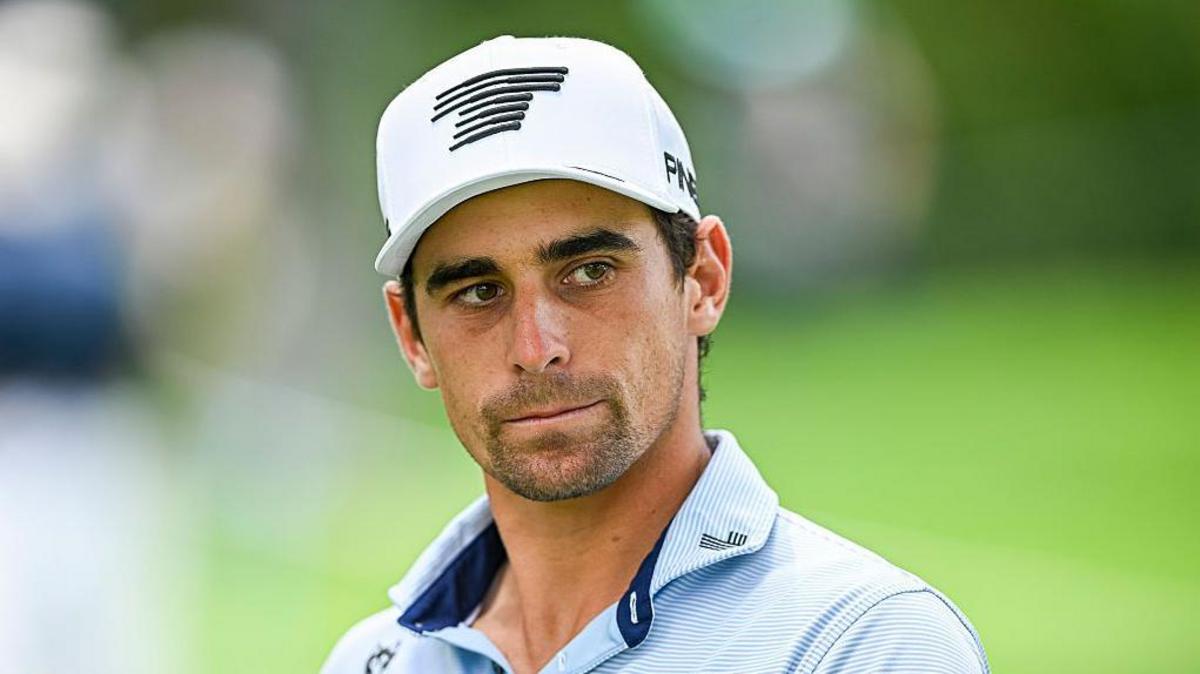
- Joaquin Niemann became the first player to receive a two-shot penalty under the majors' new code of conduct, for throwing his club during a nine (which became an 11) on the par-four sixth in his first round.
- The penalty dropped Niemann from a likely third-place finish with a Masters invitation to a tie for seventh, demonstrating the USGA's intent to hit scorecards rather than bank balances with fines.
- R&A chief executive Mark Darbon told BBC Sport the Open Championship at Royal Birkdale in July will enforce shot penalties for bad behaviour, with each group assigned an individual referee for consistent enforcement.
- Paul McGinley, the former European Ryder Cup captain, told Golf Channel viewers the new boundaries are "really good and refreshing" after years of player entitlement and money tilting the balance too far.
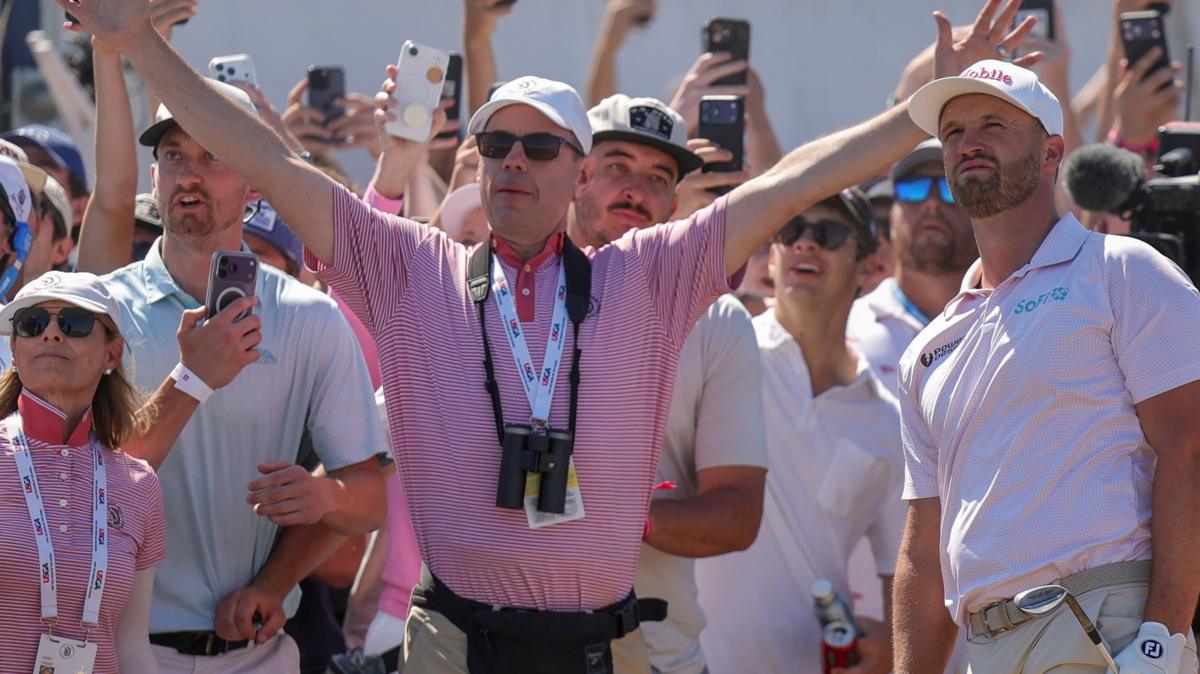
- Shinnecock Hills fans were heard yelling "Don't choke Wyndham" as Clark's six-shot lead shrank on the final day, a pattern of partisan abuse the piece links to the Ryder Cup at Bethpage last autumn and the 2023 Open at Hoylake.
Why it matters: The Niemann penalty gives the USGA and R&A documented authority to dock scorecards—not just bank balances—for on-course misconduct, with July's Open at Royal Birkdale the next enforcement test. Shinnecock showed the problem runs both ways: galleries in golf's intimate arenas have no escape for the players, and the proliferation of betting on both sides of the Atlantic amplifies the pressure on tour officials to police both sides of the ropes.
Ask SkimNews