Toyota invests $1bn in EV plants, launches Huawei bZ7 — SkimNews
Get the Energy newsletter
Daily energy & climate — solar, EVs, oil, the policy fights and tech bets shaping the transition. Free.
- Toyota announced a $1 billion investment on March 23 2026 to upgrade its Kentucky and Indiana plants for EV production, allocating $800 million to Georgetown, KY for a second EV line and $200 million to Princeton, IN for Grand Highlander expansion.
- Toyota’s next‑generation Highlander, slated for 2027, will be offered exclusively as an all‑electric vehicle, to be built at the Georgetown plant that currently makes Camry and RAV4.
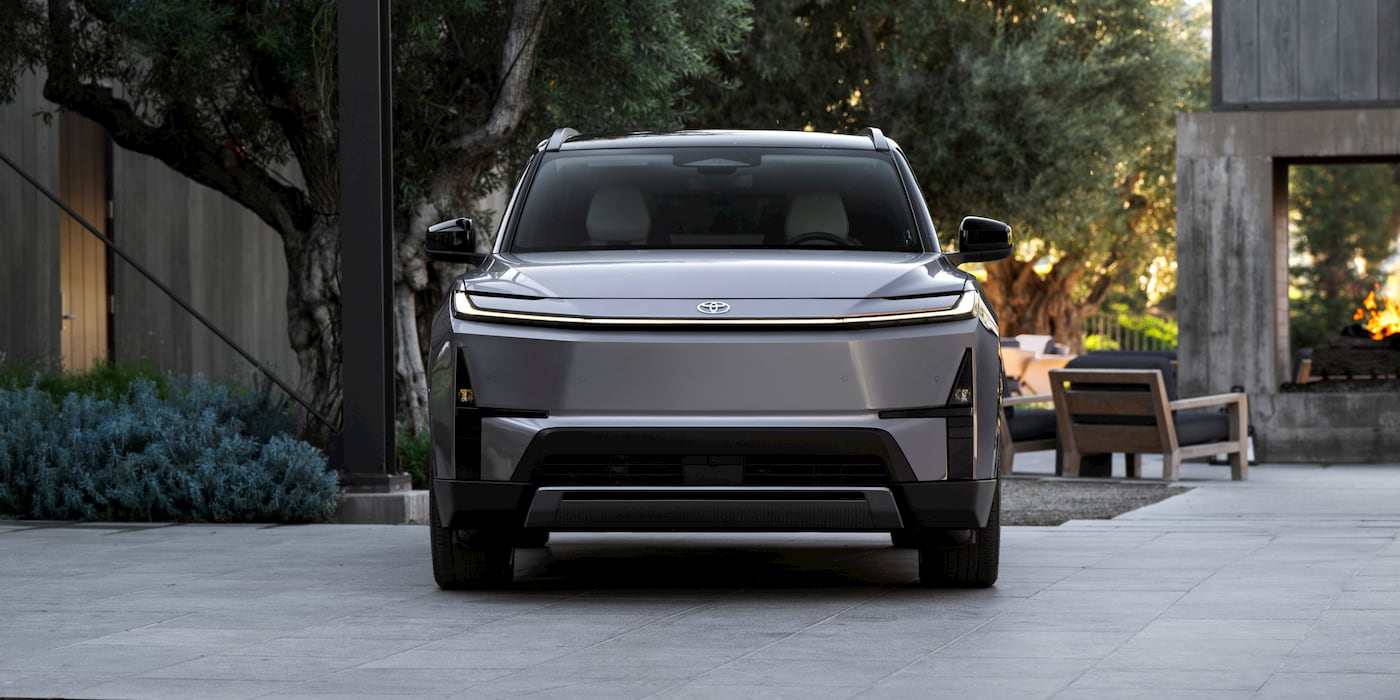
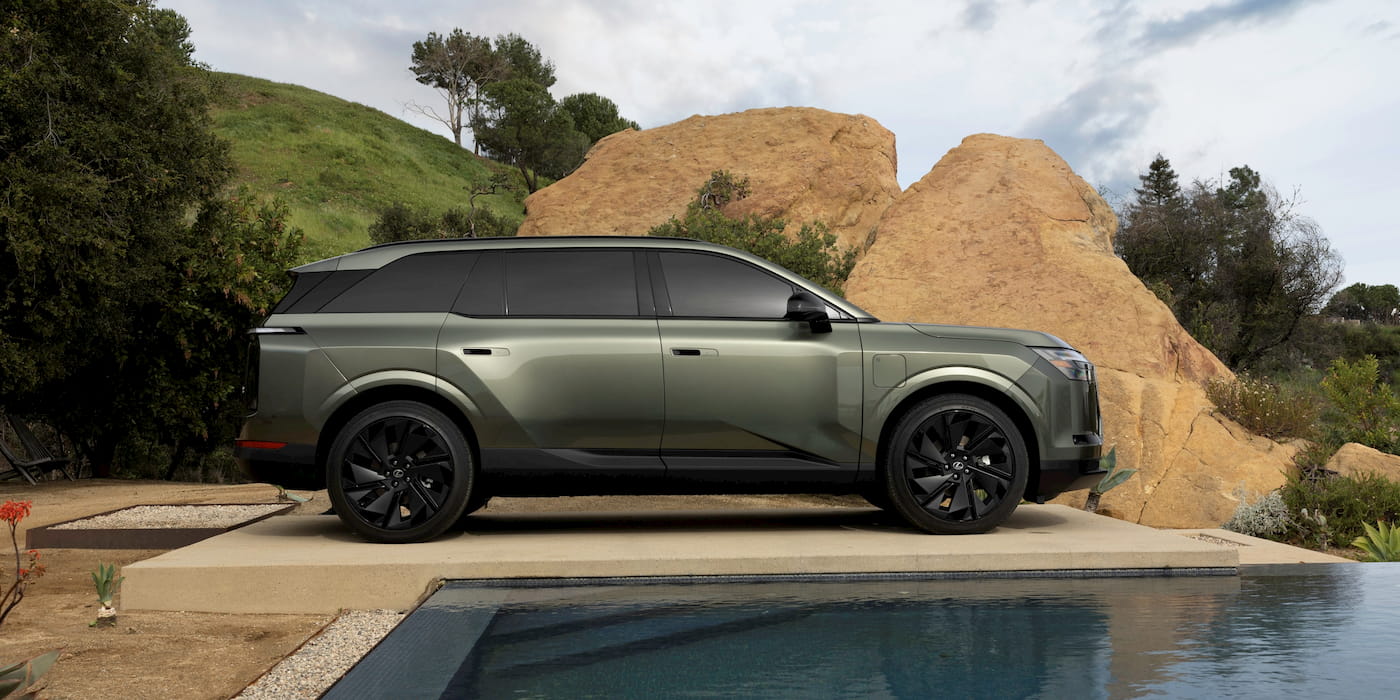
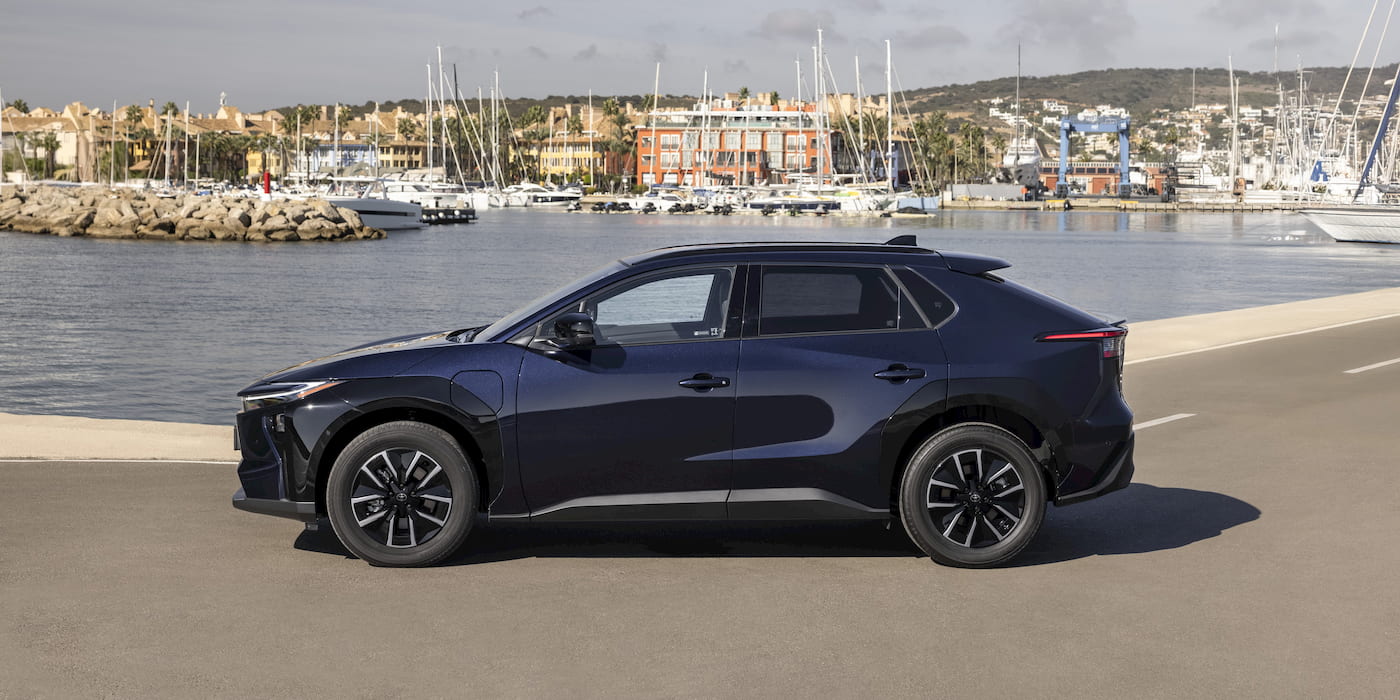
- Toyota rolled out an updated U.S. EV lineup, including a refreshed bZ (formerly bZ4X) with a native NACS port, the compact C‑HR, the bZ Woodland wagon, plus Lexus’s refreshed RZ crossover and new ES sedan (hybrid and EV).
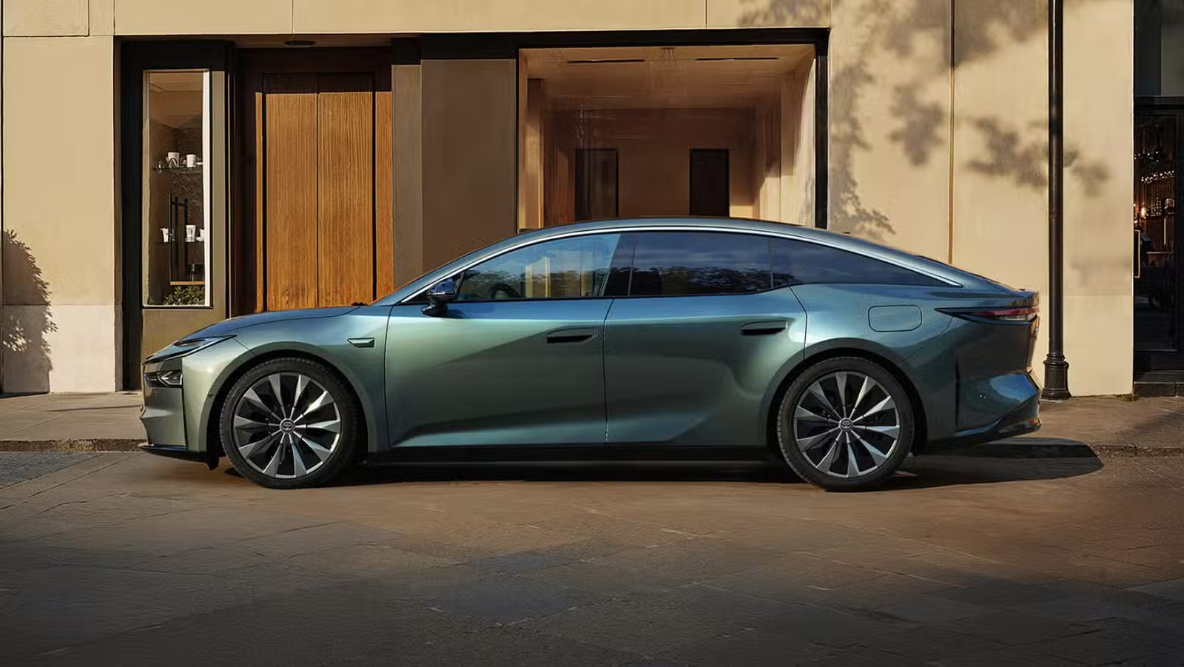
- Toyota launched the bZ7 sedan in China, powered by Huawei’s Drive ONE integrated drivetrain, LFP batteries from CALB (88 kWh/71 kWh) delivering up to 710 km (CLTC) range on the larger pack.
- Toyota’s bZ7 features Huawei HarmonyOS 5.0 cockpit, Momenta ADAS with 27 sensors (optional Lidar for “Navigation on Autopilot”), dual‑chamber air suspension, and zero‑gravity seats.
- Toyota priced the bZ7 at 147,800 yuan (€18,490) for the base model and 199,800 yuan (€24,997) for the top trim, and indicated the model will likely remain China‑only.
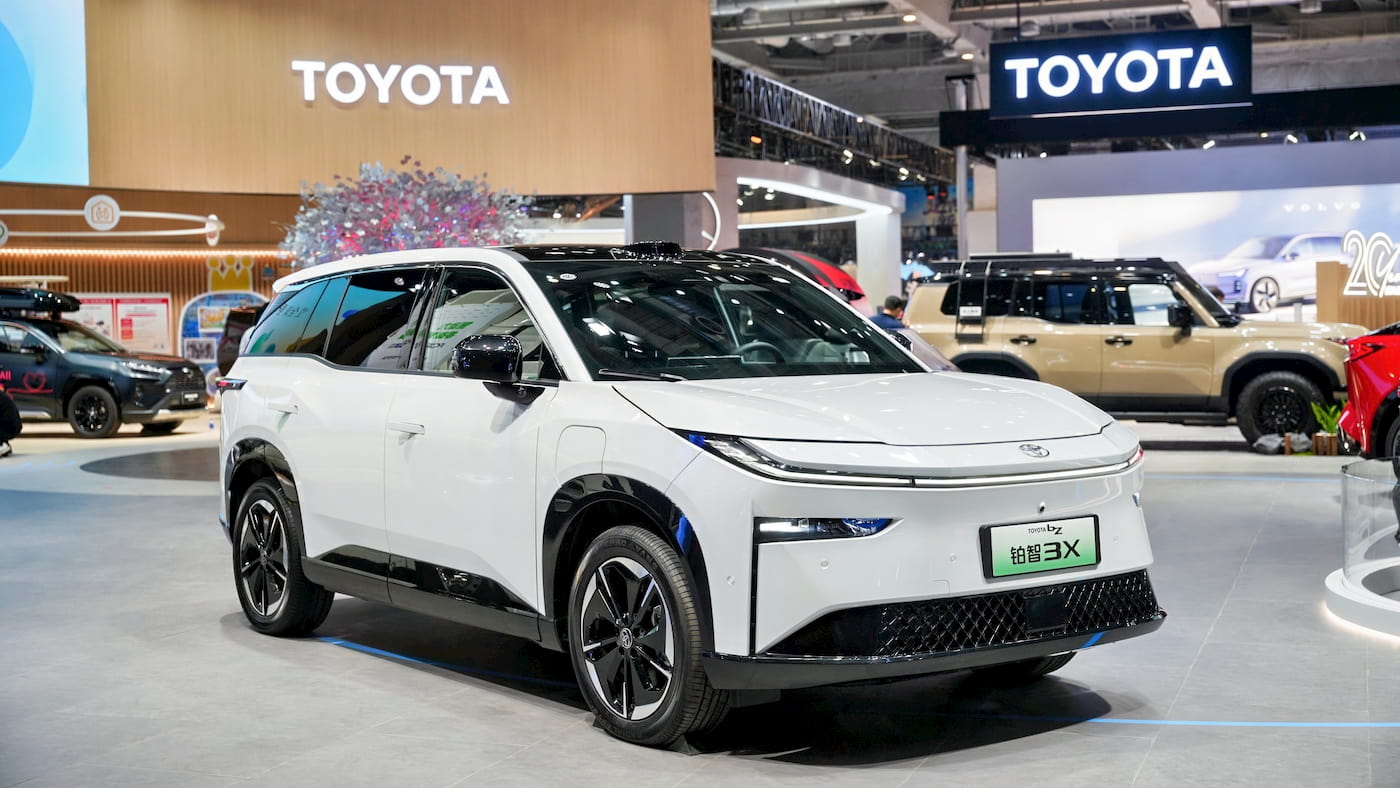
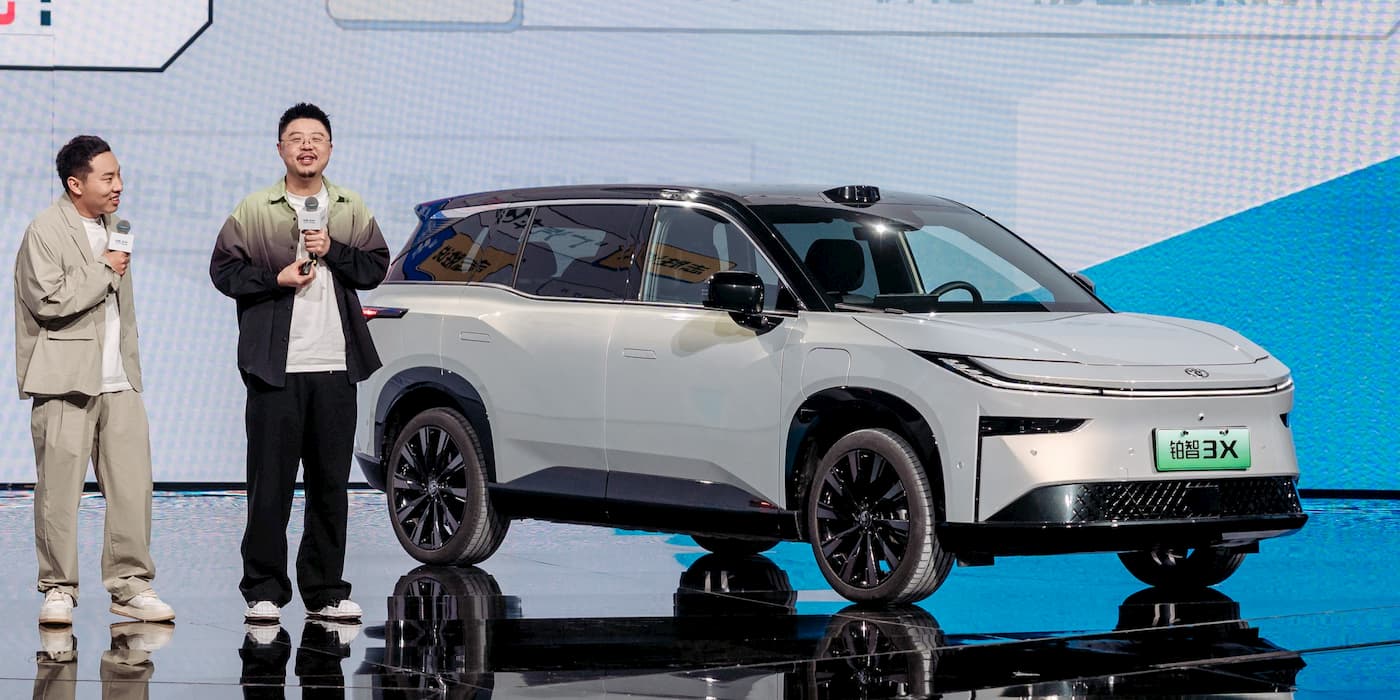
- Toyota’s GAC joint venture previously introduced the bZ5 crossover, which uses BYD batteries, showing the automaker’s willingness to source powertrain components from multiple Chinese partners.
Why it matters: Toyota’s $1 billion U.S. plant upgrade and the launch of the Huawei‑driven bZ7 at a sub‑$20k price point directly tackle the high‑cost barrier, expanding Toyota’s EV footprint, lowering consumer prices, and giving Chinese tech firms a major automotive customer in the competitive EV market.
Ask SkimNews