Eating more meat may lower Alzheimer’s risk for some people
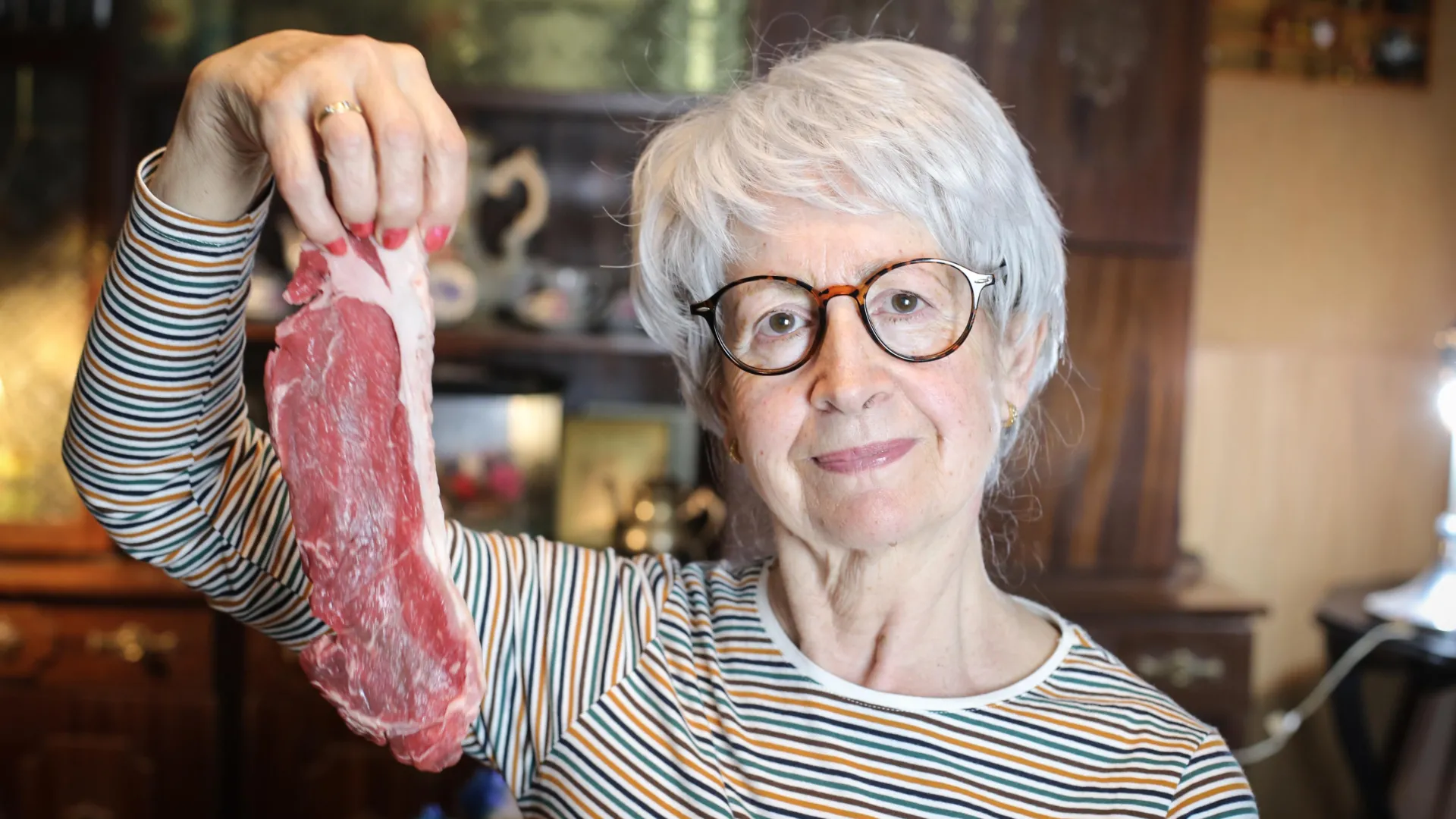
Why it matters: This research could lead to personalized dietary advice for the 30% of people carrying high-risk APOE gene variants.
- Karolinska Institutet published a new study in JAMA Network Open suggesting that genetics may alter how diet affects brain health, specifically Alzheimer's risk.
- Researchers found that older adults with high-risk APOE 3/4 or 4/4 gene variants who ate more meat experienced slower cognitive decline and a lower risk of dementia.
- The study followed over 2,100 adults for up to 15 years, analyzing self-reported dietary habits and cognitive health, while accounting for various lifestyle factors.
- Individuals with APOE 3/4 and 4/4 who consumed lower amounts of meat had more than double the risk of dementia compared to those without these gene variants, a risk not seen in the high-meat intake group.
- Jakob Norgren, the first author, hypothesized that APOE4, being an evolutionarily older variant, might be better suited to an animal-based diet, explaining the findings.
A groundbreaking study from Karolinska Institutet reveals that older adults carrying high-risk APOE gene variants for Alzheimer's may experience slower cognitive decline and lower dementia risk if they consume higher amounts of meat, challenging conventional dietary advice. This suggests that genetic profiles could significantly alter how diet impacts brain health, particularly for those genetically predisposed to Alzheimer's.