OpenAI Proposes 5% Stake for U.S. Government — SkimNews

Get the Tech newsletter
Daily tech — startups, AI labs, chips, the launches that shape the next decade. Free.
- OpenAI is in very preliminary talks to give the U.S. government a 5% stake, per the Financial Times, with the stated goal of having other AI labs contribute similar shares
- Sam Altman has previously pitched a public wealth fund, and the stake could be delivered through "Trump accounts" or another vehicle giving American households exposure to AI investments
- Anthropic endorsed the underlying concept in a recent paper arguing for "universal pre-distributive capital accounts" with priority for workers in jobs exposed to AI disruption
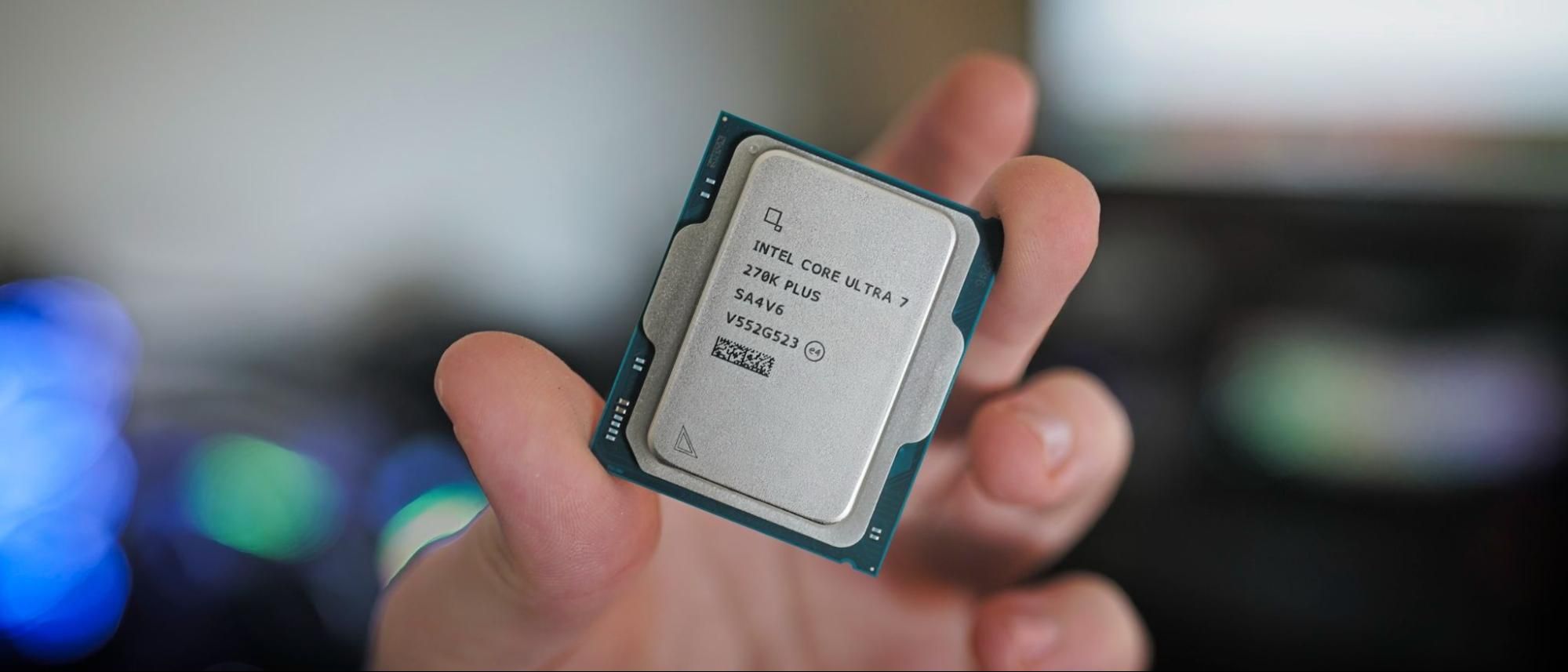
- A deal would likely require an act of Congress, unlike the existing 9.9% government stake in Intel, which was acquired under the CHIPS Act and is up nearly 400% since August
- The overture comes as the White House decides when OpenAI can release its most powerful models widely; Altman called that regulatory process "not quite optimal" and separately proposed a U.S.-led international forum on AI standards
- David Sherman of io.net called a government stake a "troubling milestone" that would give one AI lab a "government stamp of approval," and an investor in both OpenAI and Anthropic told Axios the proposal reads as a "political move"
- Alternative wealth-sharing ideas floated in the piece include taxing tokens, requiring AI firms to share pre-tax income, and reviving Bill Gates' 2017 proposal for a robot tax
Why it matters: A government equity stake would give Washington a direct financial interest in OpenAI's model-release decisions, collapsing the distance between regulator and shareholder. Because the Intel precedent relied on the CHIPS Act, an AI deal would likely need fresh congressional authorization — and critics argue it effectively hands a government-backed competitive edge to one lab, while proponents say it is the only mechanism on the table that lets ordinary Americans share in AI-driven gains.
Ask SkimNews