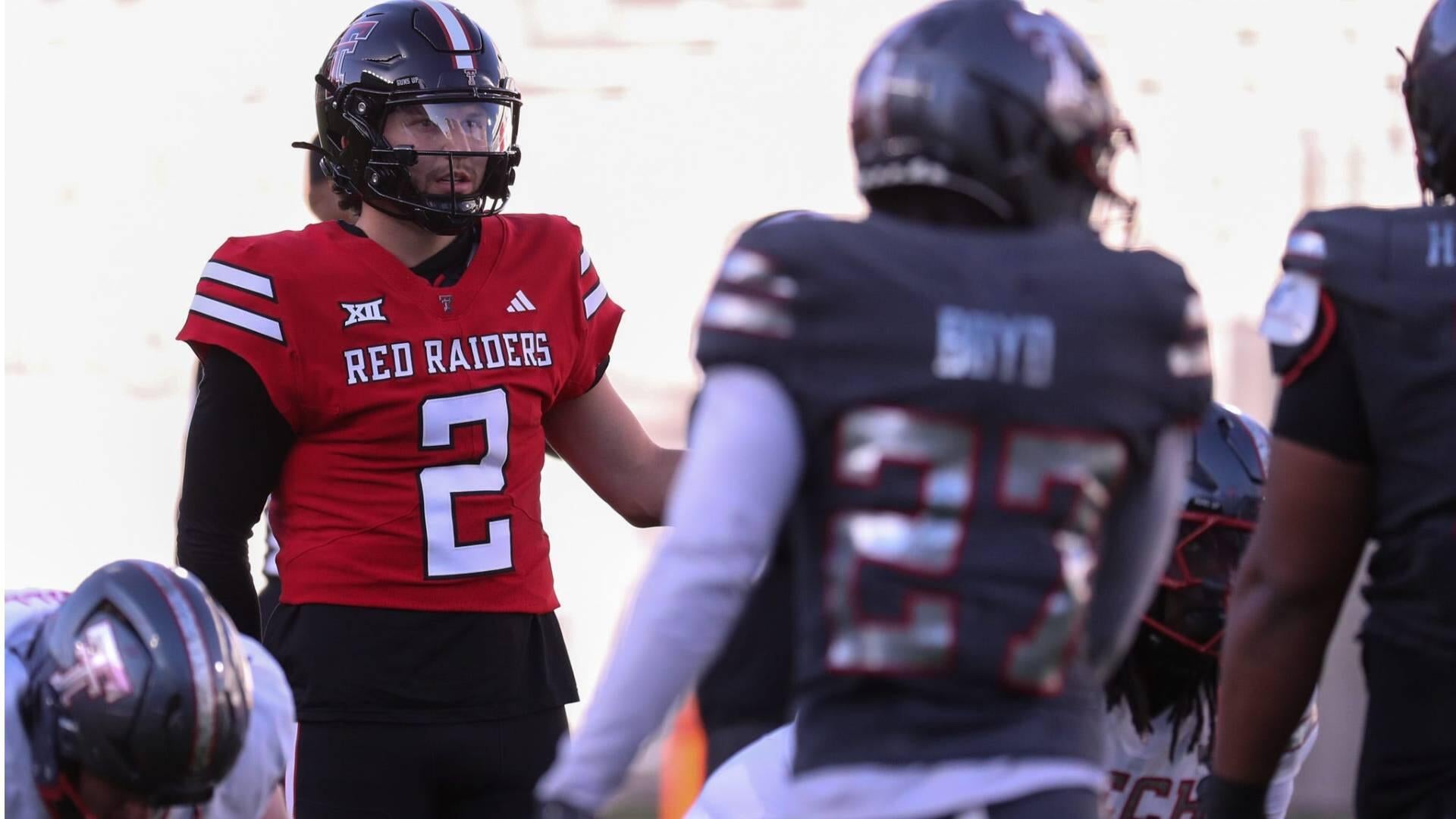
Oklahoma AG urges Big 12 to suspend Sorsby — SkimNews
Get the Sports newsletter
Daily sports — scores, transfers, the storylines from the leagues you actually follow. Free.
- Oklahoma AG Gentner Drummond sent a letter Friday to Big 12 commissioner Brett Yormark and board chairman Douglas Girod, calling on the conference to suspend Sorsby and dismissing threats from Texas AG Ken Paxton that the Big 12 can't act as "meritless" and "facially absurd."
- Drummond argued the preliminary injunction Sorsby obtained in Lubbock district court Monday applies only to the NCAA and does not bind the Big 12, noting the conference was not a party to that proceeding and can enforce its own bylaws.
- The NCAA declared Sorsby permanently ineligible for extensive wagering on college sports, including games involving his own team, and is appealing Judge Ken Curry's temporary injunction that allows him to play after serving a two-game suspension; trial isn't scheduled until February.
- Drummond invoked Big 12 Bylaw 3.6, which allows the conference to sanction a member school if a supermajority of directors agree it has acted "materially adverse to the best interests of the Conference as a whole."
- The Big 12's other 15 member universities have unanimously opposed Texas Tech playing Sorsby this season, and Yormark said "all options remain on the table" ahead of a Monday board meeting; the executive board met Thursday.
- Texas AG Ken Paxton warned Thursday that the Big 12 would face "substantial liability" — including antitrust exposure, breach of contract, and tortious interference — if it sanctions Texas Tech for following the temporary injunction, and said the school will "pursue all legal avenues."
Why it matters: With all 15 other Big 12 schools unanimously opposed to Sorsby playing and a Monday board meeting pending, Drummond's letter gives the conference explicit legal cover to invoke Bylaw 3.6 and act independently of the NCAA. If the Big 12 sanctions Texas Tech, the school and Paxton have already teed up counter-litigation on antitrust grounds — turning an eligibility dispute into a multi-state legal fight.
Ask SkimNews