$85/Ton Carbon Credit Sparks Rural Indiana Backlash — SkimNews

Get the Energy newsletter
Daily energy & climate — solar, EVs, oil, the policy fights and tech bets shaping the transition. Free.
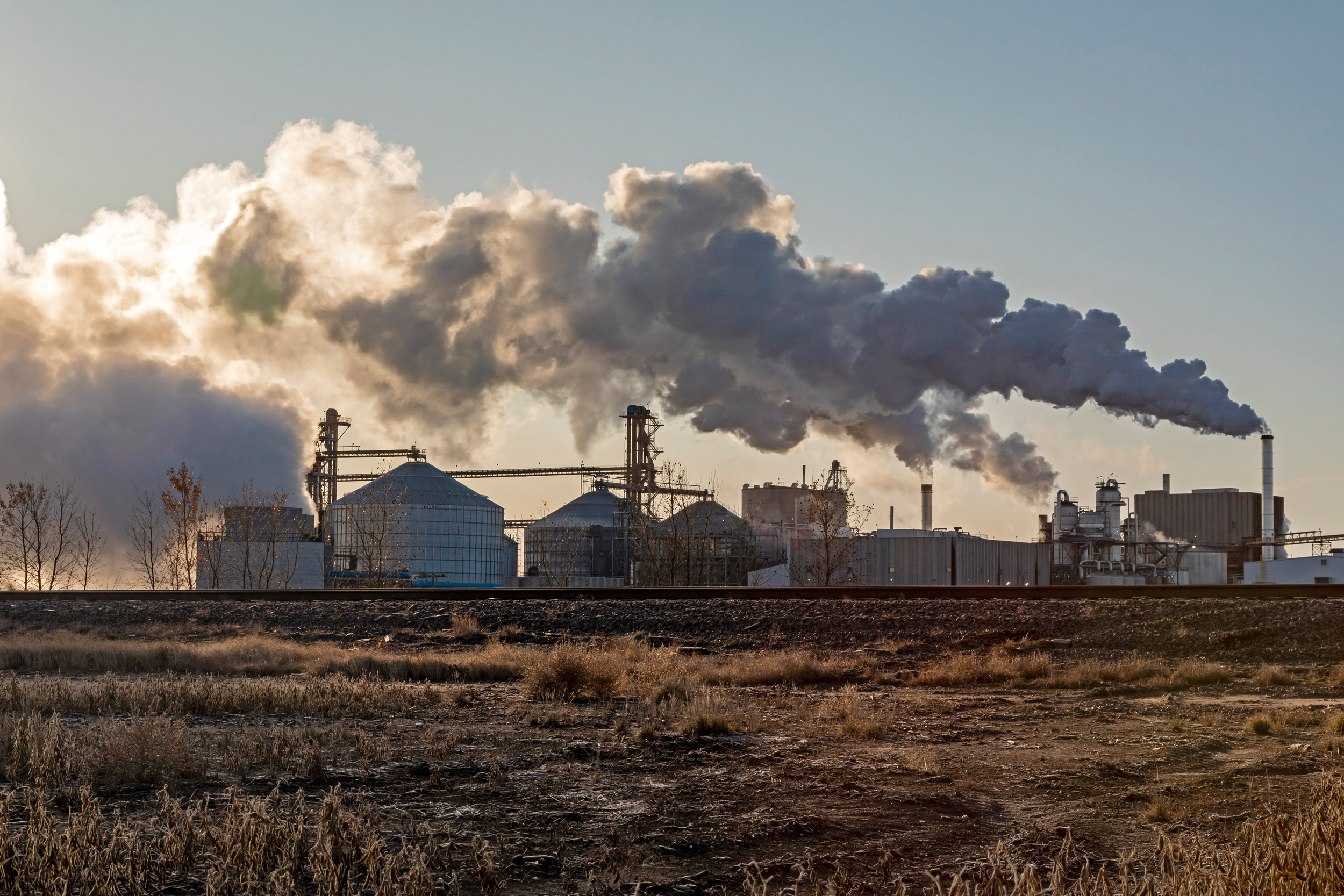
- The Andersons Renewables proposed injecting CO2 more than 3,000 feet underground beneath Clymers, Indiana as part of an ethanol plant project, offering residents $150 annually to host the carbon storage under their properties.
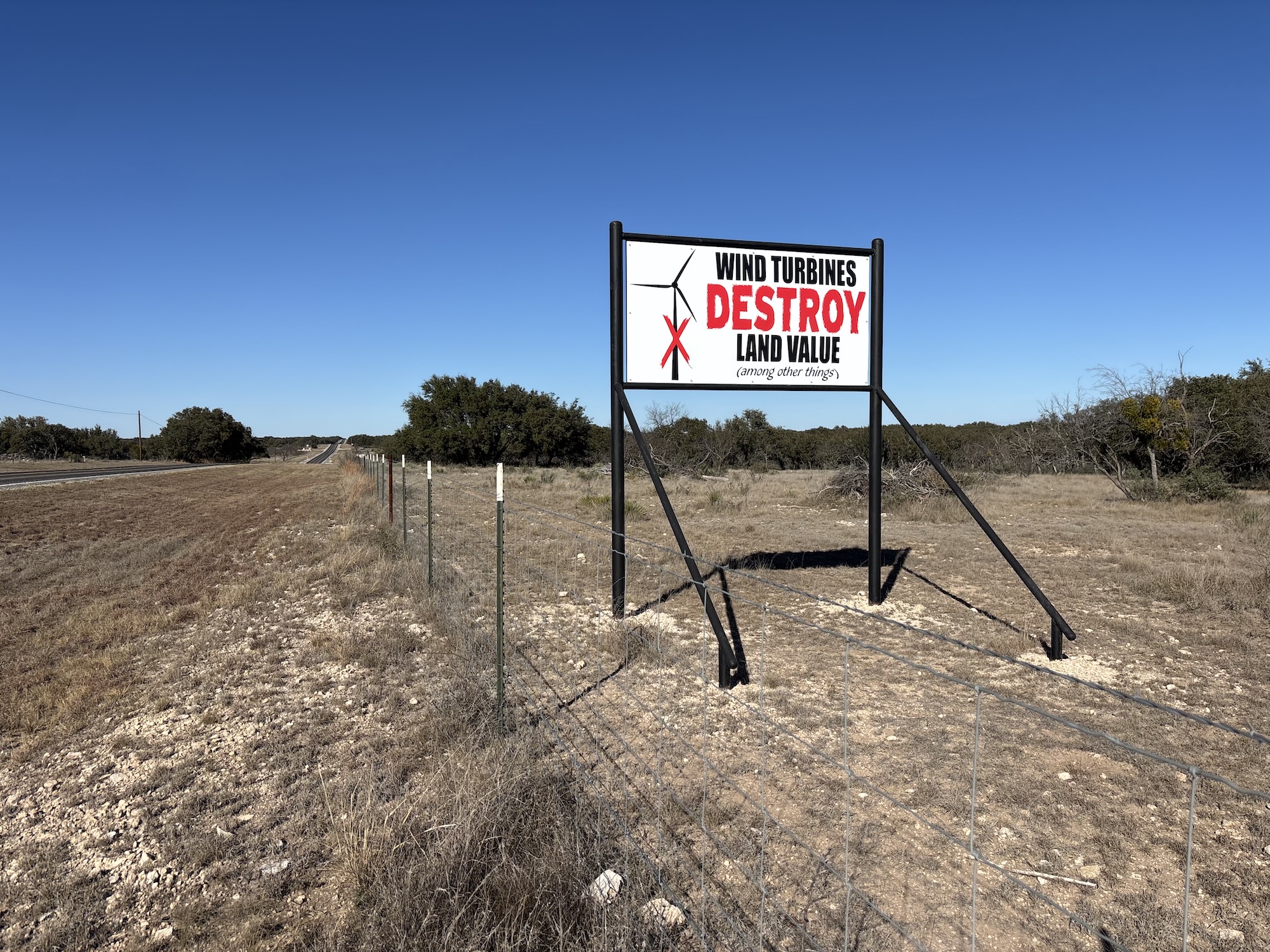
- Indiana state law strips individual landowners of the right to reject these projects, though farmer Dennis Crume and other residents have refused to sign the compensation forms and are organizing to block the plan.
- The 45Q tax credit, created under the Biden-era Inflation Reduction Act and continued by the Trump administration, pays $85 per ton of sequestered carbon — generating $17 million annually for a 200,000-metric-ton project and "billions of dollars" industry-wide, according to Citizens Action Coalition executive director Kerwin Olson.
- The Trump administration kept the 45Q credit intact despite calling climate change "a hoax," and Enverus analyst Brad Johnston predicted a "huge wave" of dozens of EPA permit approvals will clear in the next year.
- Documented CCS failures include two 2024 leaks at the nation's first commercial carbon capture project under an Illinois lake that supplies drinking water to central Illinois (prompting a state ban near major aquifers) and a 2020 Mississippi pipeline rupture that hospitalized 45 people.
- MIT's Charles Harvey, who co-founded one of the world's first carbon sequestration companies in the early 2000s, now calls the strategy "the stupidest way to reduce emissions" and compared his regret to J. Robert Oppenheimer's guilt over the atomic bomb.
Why it matters: With dozens of carbon sequestration permits nearing EPA approval and the $85-per-ton 45Q credit intact across two administrations, the buildout is accelerating even as communities in Indiana and documented leak sites in Illinois and Mississippi reveal unresolved questions about safety, landowner consent, and whether the technology materially cuts emissions versus subsidizing existing fossil fuel operations.
Ask SkimNews