This humanoid robotics company is going public, but its CEO isn’t promising a robot in your home anytime soon — SkimNews

Get the Tech newsletter
Daily tech — startups, AI labs, chips, the launches that shape the next decade. Free.
- Agility Robotics will merge with Michael Klein's Churchill Capital Corp XI in a deal valuing the company at around $2.5 billion and expected to raise more than $620 million in gross proceeds — the largest capital raise in humanoid robotics history, per the company.
- CEO Peggy Johnson declined to offer forward-looking financial guidance or disclose the bill of materials for Agility's flagship robot Digit, framing the SPAC route as "an acceleration story and a timing story" built on first-mover advantage over rivals like Figure AI ($39B self-reported valuation) and Apptronik ($5.5B).
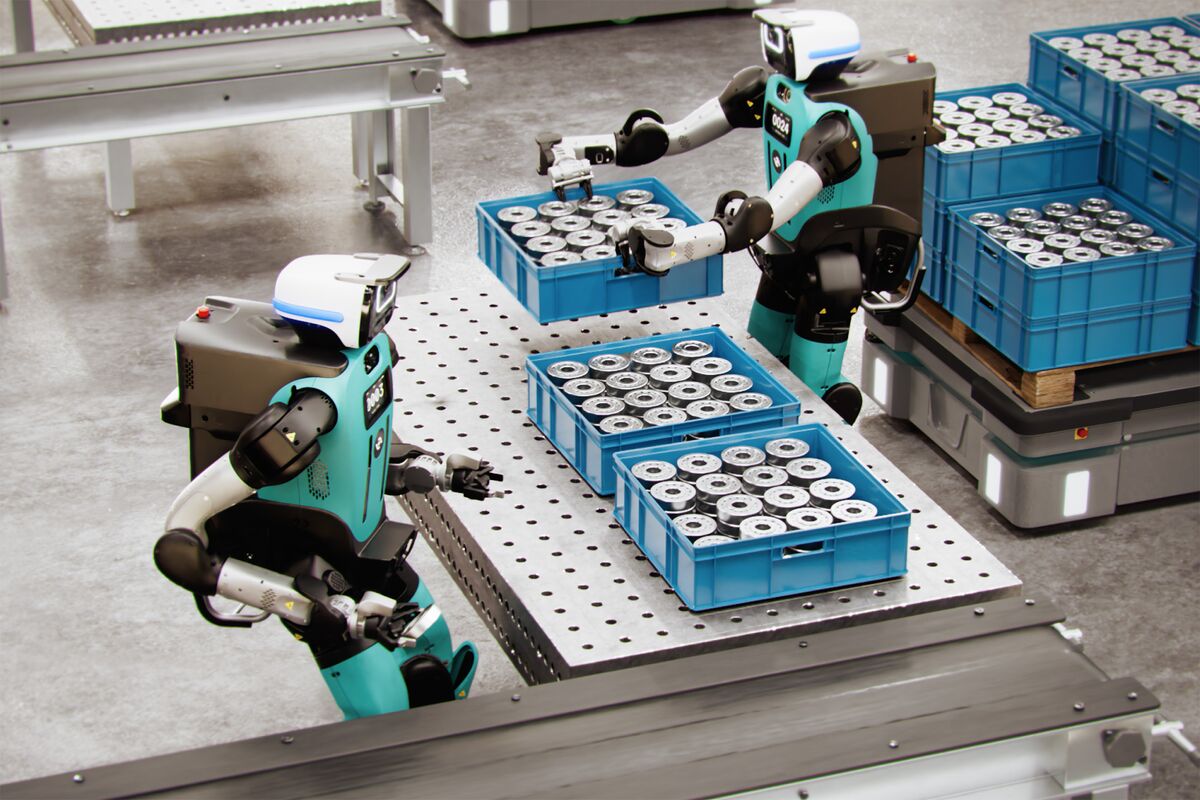
- Agility has more than $300 million in booked multi-year revenue from roughly 1,000 robots sold under a robots-as-a-service model, with named customers including GXO Logistics, Amazon, Toyota Motor Manufacturing Canada, Schaeffler, and Mercado Libre.
- Digit stands 5'9", weighs about 160 pounds, and uses reverse-bend "bird legs" to crouch and reach from floor to overhead shelving without colliding with warehouse racking; Agility is LLM-agnostic, drawing on Claude and Gemini models for its semantic layer.
- Johnson said Agility may have "the largest data lake of actual operating robotics data in real-world environments" and pointed to industrial safety certification — not lab demos — as the real competitive moat, contrasting with a November lawsuit by Figure AI's former head of product safety alleging Figure's robots could fracture a human skull.
- Johnson pegged home deployment at "10-plus years" because warehouses have fixed aisles while homes are chaotic, and said Agility is laser-focused on filling what she called over 1 million unfilled U.S. jobs in physically demanding roles; proceeds will ramp up Agility's 70,000-square-foot Salem, Oregon facility.
Why it matters: Retail investors gain their first direct entry into a pure-play humanoid robotics public stock at a $2.5 billion valuation — a fraction of Figure AI's self-reported $39 billion — but the SPAC structure carries well-documented volatility risk, and Johnson's 10-plus-year timeline for home humanoids reveals the commercial bet is narrowly scoped to warehouse and factory labor shortages worth over 1 million unfilled U.S. jobs today.
Ask SkimNews