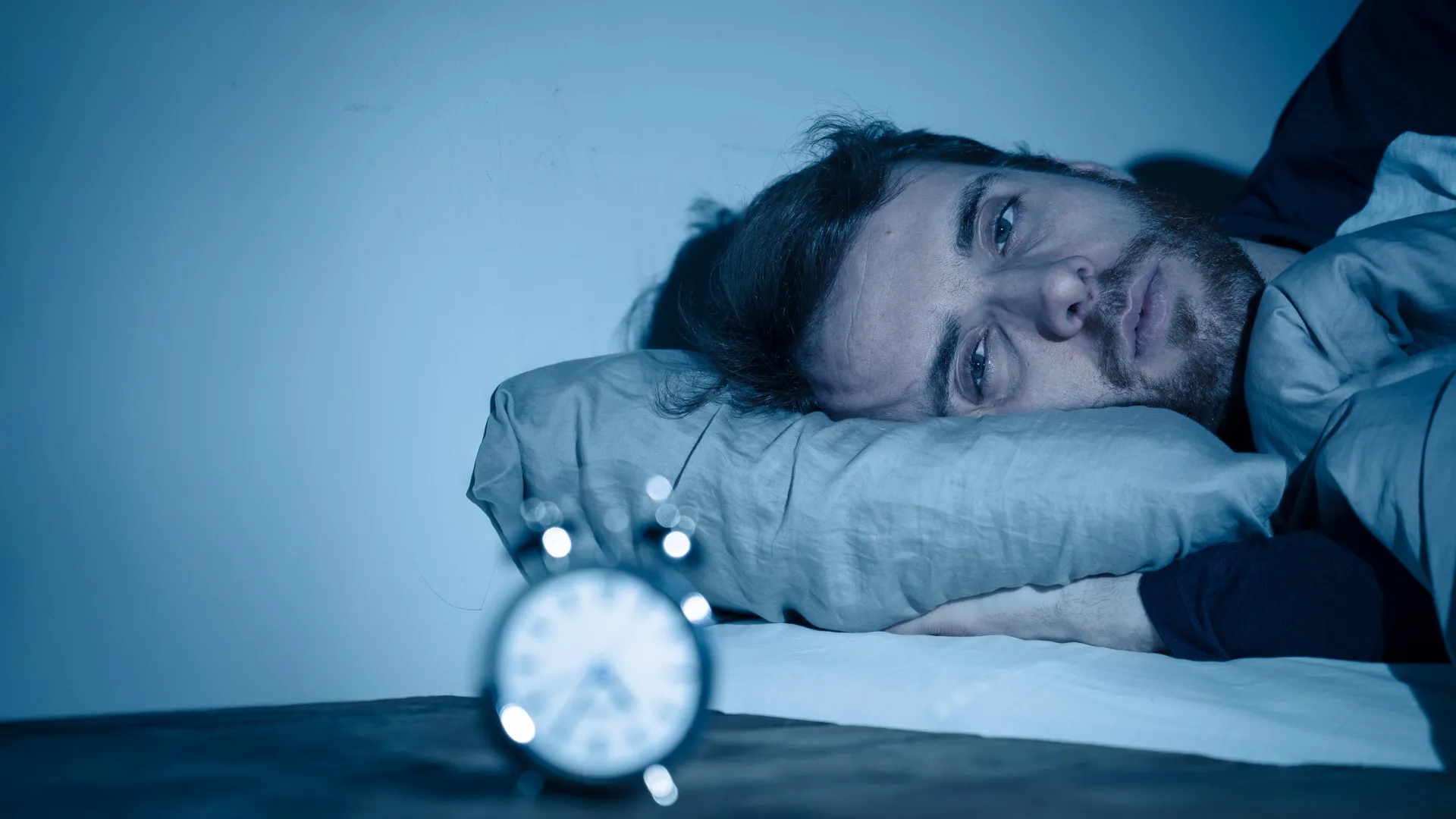
Night Shift Work Tied to Cancer, Dementia, Heart Disease
Get the Health newsletter
Daily health & science — research, biotech, public health, the studies worth knowing. Free.
- Karolinska Institute researchers tracking 13,000+ shift workers for up to 41 years found mid-life shift work was associated with a 36% higher risk of dementia, with the risk rising the longer someone had worked shifts.
- Prof Hugh Markus at the University of Cambridge, analyzing brain scans of more than 40,000 UK Biobank participants, found that impaired brain drainage systems predicted later dementia diagnoses years in advance.
- The WHO's IARC has classified night shift work as "probably carcinogenic to humans," placing it in the same risk group as red meat due to links with breast, prostate, colon and colorectal cancers.
- Dr Line Victoria Moen at Norway's National Institute of Occupational Health is studying Arctic Circle shift workers who naturally sleep in two blocks — roughly 9am to 1pm, then again before their next shift — as a potentially healthier pattern than one exhausted daytime block.
- Sleep historian Roger Ekirch at Virginia Tech established that pre-industrial humans commonly slept in two halves ("first sleep" and "second sleep") until gas-lit cities in the early 19th century narrowed the gap between them.
- An analysis of 35 studies found that sleep reduced to around 4.5 hours for three or more nights significantly raised immune system activity, driving chronic inflammation linked to heart disease.
Why it matters: With more than three million UK workers on night shifts, the Karolinska finding of a 36% higher dementia risk — combined with the WHO's carcinogenic classification — could reshape occupational health guidance, particularly if Moen's biphasic sleep research, due later this year, yields actionable protocols for a workforce the article says has had its biology ignored for decades.