NICE Pushes Annual NHS Checks for PMOS Patients — SkimNews

Get the Health newsletter
Daily health & science — research, biotech, public health, the studies worth knowing. Free.
- NICE has published draft guidance recommending annual NHS health checks for women with PMOS, covering not only core symptoms but also longer-term risks such as diabetes and heart disease.
- PMOS, which affects roughly one in eight women in the UK (an estimated 3-4 million), was renamed from polycystic ovary syndrome in May to better reflect its broad impact across the body.
- The draft guideline explicitly excludes laser and light therapies for hair reduction from NHS coverage on cost grounds, even though excess hair growth is one of the condition's main symptoms.
- NICE states PMOS should not be discounted in women who have been through menopause, and tells clinicians to consider higher prevalence among women of Black, Asian and mixed ethnicity when assessing symptoms.
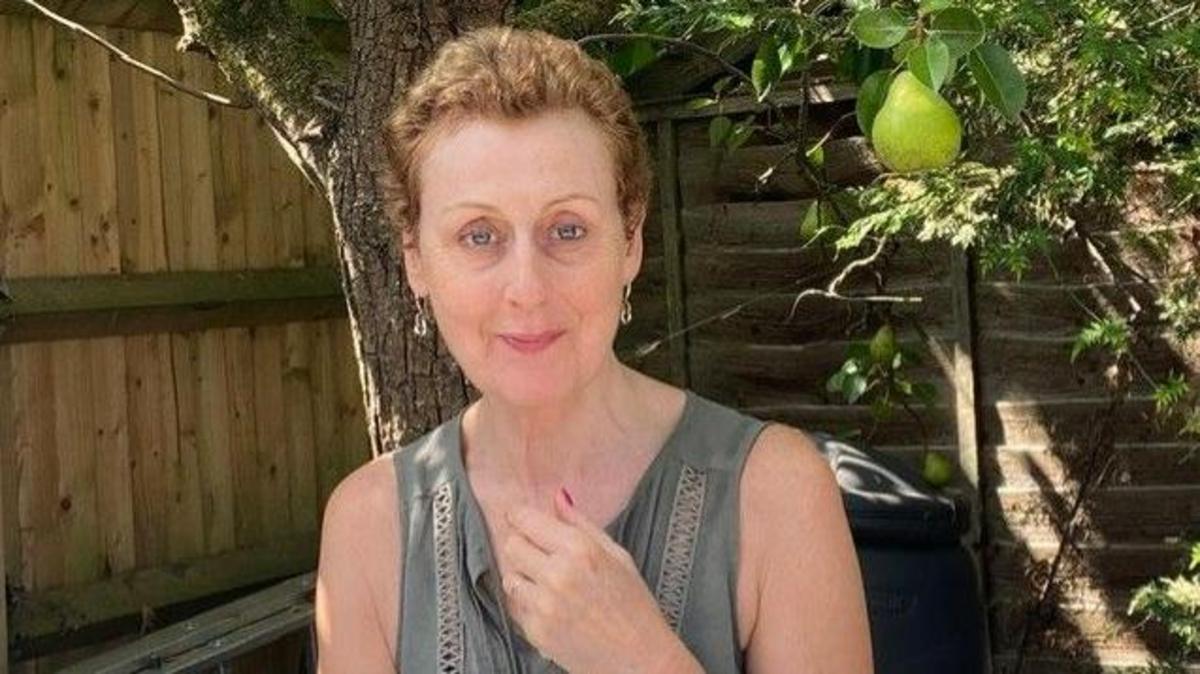
- Kelis Bailey, 21, told the BBC she spent a year 'going back and forth' with doctors before diagnosis and that one GP had never heard of the condition.
- The consultation on the draft guideline runs from 1 July to 11 August 2026, with the final version expected in December 2026.
Why it matters: Roughly 3-4 million UK women live with PMOS, yet the watchdog concedes diagnosis is slow and inconsistent. NICE's annual-check recommendation reframes PMOS as a long-term metabolic condition, not just a reproductive one — meaning the NHS will now be expected to screen for diabetes and cardiovascular risk in these patients, raising the standard of routine care but increasing monitoring workloads for GPs.
Ask SkimNews