Peter Magyar Pledges End to Russian Energy in Hungary

SkimNews Take
Pledging to ask Putin to halt the war while simultaneously warning of a painful energy transition reveals Hungary's new leader is balancing domestic economic stability with international political pressure, rather than making a clean break from Russia.
Get the Geopolitics newsletter
Daily geopolitics — wars, elections, sanctions, the diplomatic moves that move markets. Free.
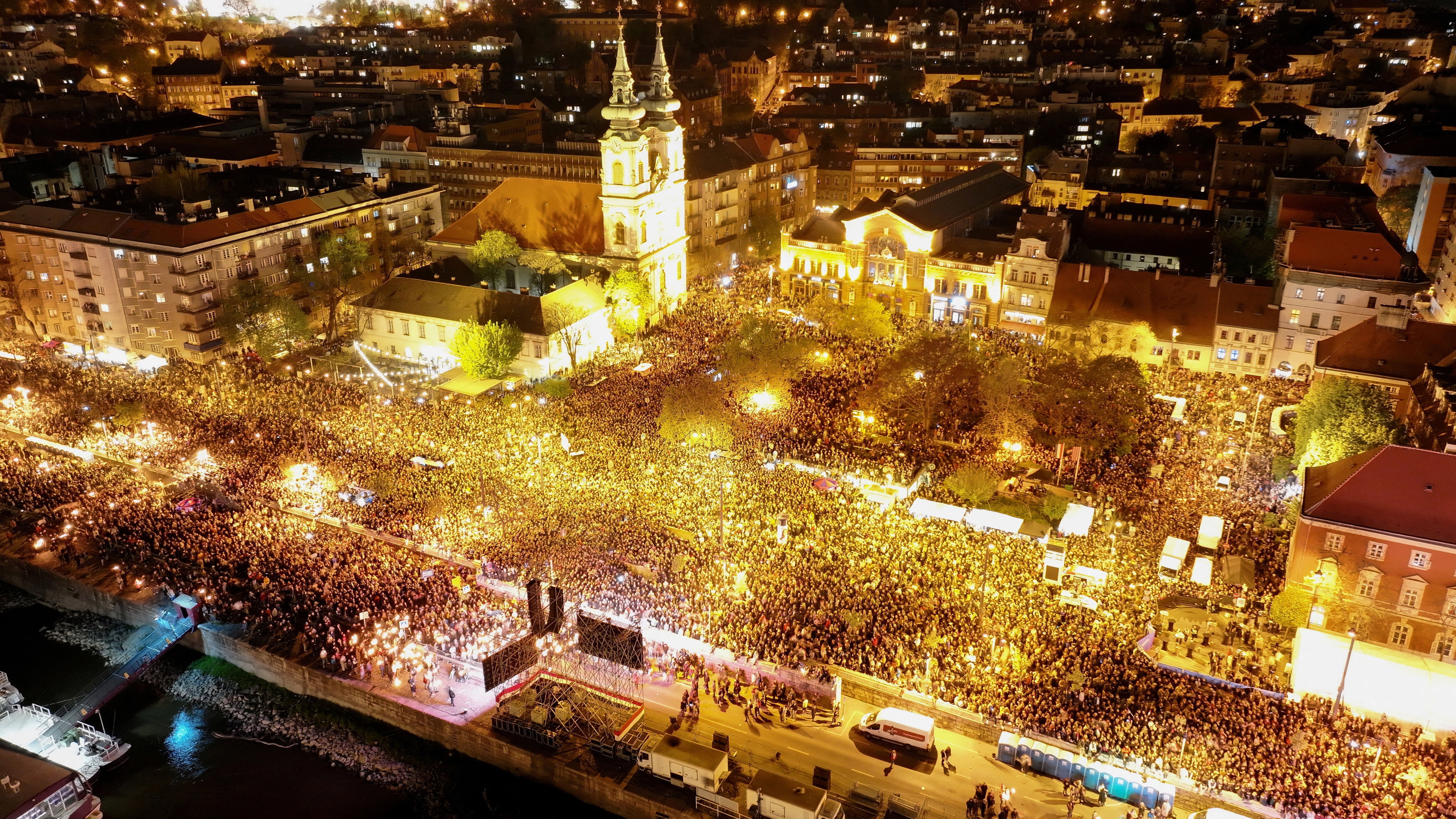
- Peter Magyar defeated incumbent Viktor Orbán in Hungary’s election, with supporters chanting “Russians out!” in Budapest.
- Peter Magyar pledged to curb Russian influence, labeling Orbán a “puppet of the Kremlin” and promising to cut Russian energy dependence.
- Hungary currently sources most of its crude oil via Russia’s Druzhba pipeline, gas from Gazprom, and nuclear fuel from Rosatom’s Paks reactors.
- Sergey Vakulenko of the Carnegie Russia Eurasia Center said Hungary could replace Russian oil with supplies from the Adria pipeline and meet gas needs through the continental European grid, though at higher market prices.
- Anita Orbán, designated foreign minister, identified reducing Russian energy consumption as a top priority for the new government.
- European Union plans to end Russian gas imports by 2027, but Magyar’s administration aims for a 2035 cutoff, acknowledging the 2027 deadline is likely infeasible.
- Balázs Váradi of the Budapest Institute for Policy Analysis warned the shift will be “cash‑strapped” and that Hungary may need to negotiate for EU structural funds as a quid pro quo.
Why it matters: Higher import prices will strain Hungary’s budget and consumers, while the need for EU structural funds may give Brussels more leverage over Budapest’s energy policy. Russia will lose a key market for its discounted oil and gas, weakening its economic foothold in Central Europe.
Ask SkimNews