Survey: Populist supporters favor Russia, divided on NATO — SkimNews

Get the Geopolitics newsletter
Daily geopolitics — wars, elections, sanctions, the diplomatic moves that move markets. Free.
- A 37-country survey of 45,668 adults conducted February 8 to May 13, 2026, found that European supporters of right-wing populist parties consistently hold warmer views of Russia and Putin — and more negative views of Zelenskyy — than non-supporters do.
- Fidesz supporters in Hungary show the widest gap of any group measured: 63% have at least some confidence in Putin to do the right thing in world affairs, compared with just 7% of non-supporters — a 56-point difference, with a near-identical 53-point gap on favorable views of Russia overall.
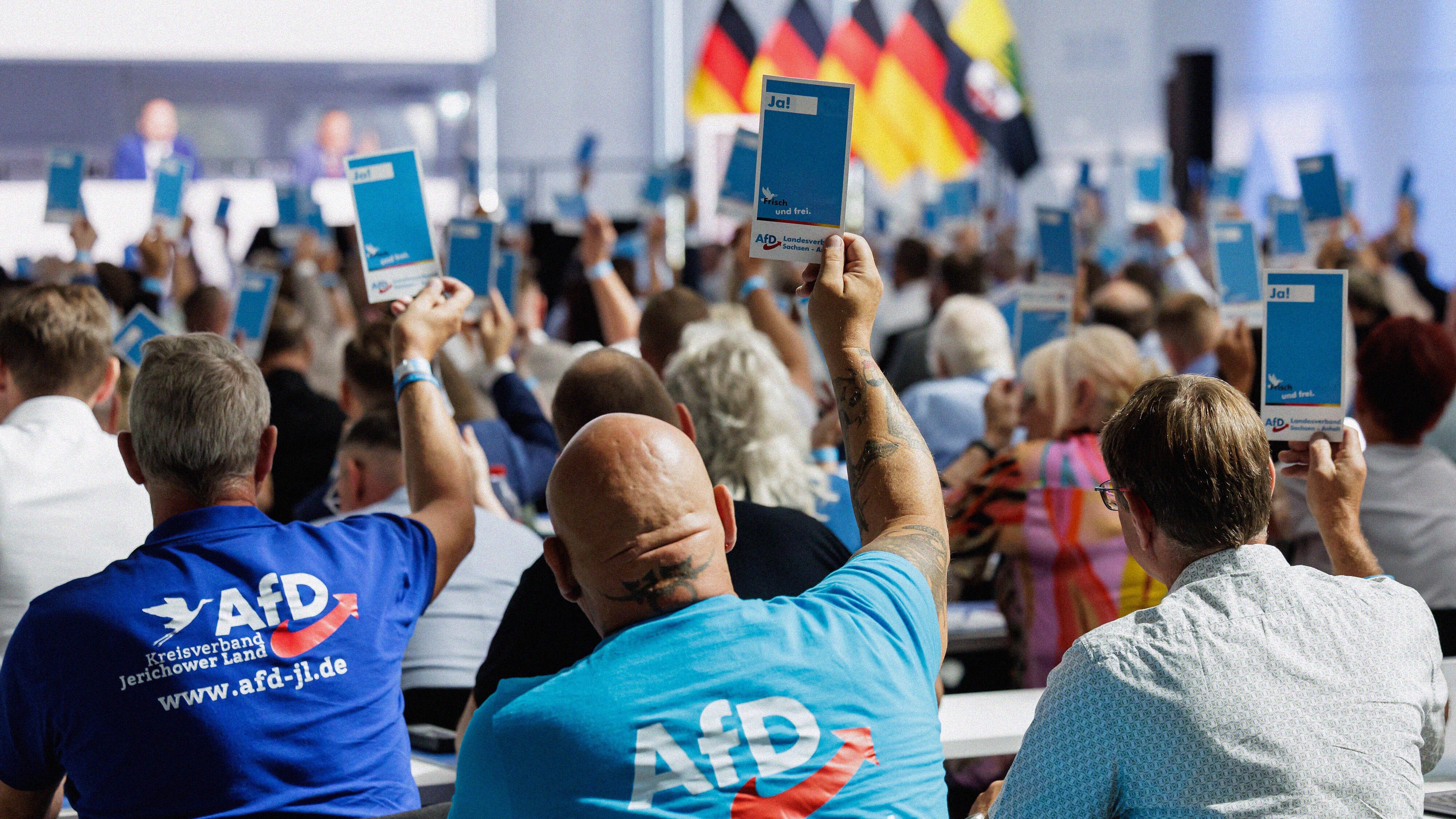
- AfD supporters in Germany are roughly six times more likely than non-supporters to view Russia favorably (46% vs. 8%) and about eight times more likely to express confidence in Putin (49% vs. 6%).
- Attitudes toward NATO split sharply by party: supporters of Spain's Vox, Sweden Democrats, Italy's Lega, and Brothers of Italy view NATO more favorably than non-supporters, while supporters of Germany's AfD, Hungary's Fidesz, the Netherlands' PVV, and Poland's Law and Justice (PiS) view it less favorably.
- The NATO favorability gap is largest in Germany and Hungary: AfD supporters are 26 points less likely than non-supporters to view NATO favorably (53% vs. 79%), and Fidesz supporters are 28 points less likely (56% vs. 84%).
- In the United States the ideological split runs left-right rather than populist: liberals are roughly twice as likely as conservatives to view NATO favorably (77% vs. 37%) and 38 points more likely to have confidence in Zelenskyy (73% vs. 35%).
- Israel and parts of Latin America invert the global pattern: in Israel, those on the ideological left are more likely than those on the right to view Russia favorably (29% vs. 2%), while in Argentina, Colombia, and Chile, the left is less confident in Zelenskyy than the right.
Why it matters: The data shows right-wing populist bases pull sharply against the Western alliance and toward Moscow: a 56-point gap on Putin among Fidesz supporters, a 26-point anti-NATO split among AfD supporters, and 28-point anti-NATO gaps within Fidesz. With these parties polling competitively across Europe, the divergence makes unified European policy on Russia and Ukraine materially harder to sustain.
Ask SkimNews