Clayton Grilled on 2020 Election, Defends NYT Subpoenas — SkimNews
Get the Geopolitics newsletter
Daily geopolitics — wars, elections, sanctions, the diplomatic moves that move markets. Free.
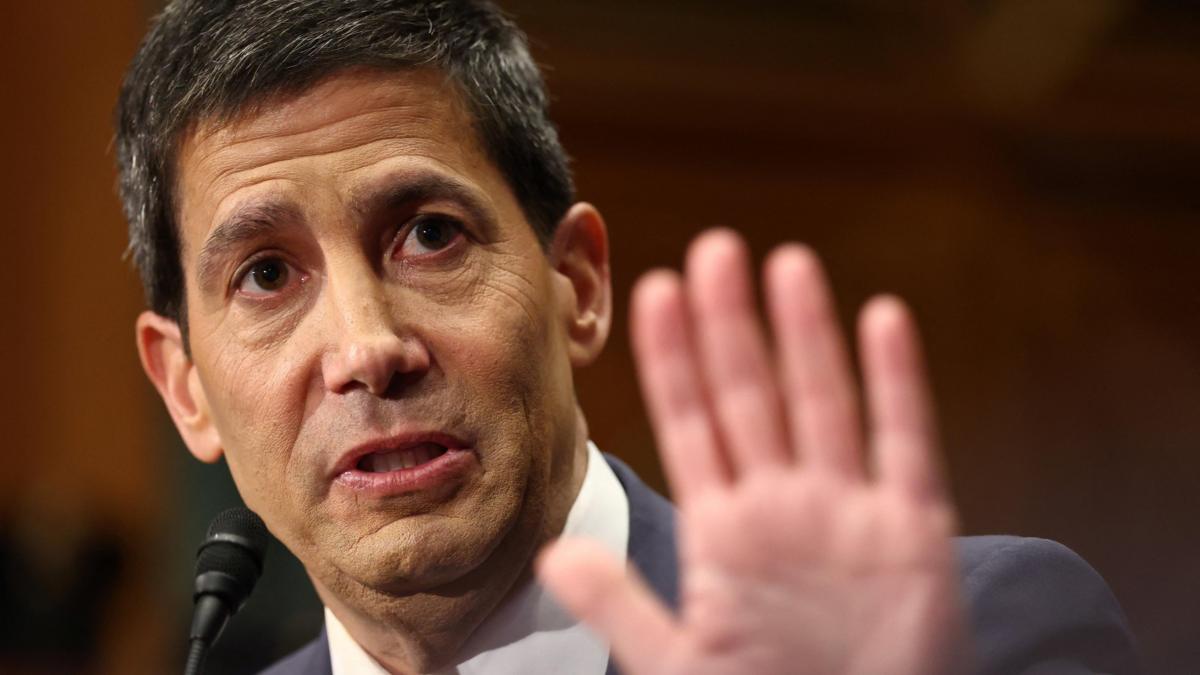
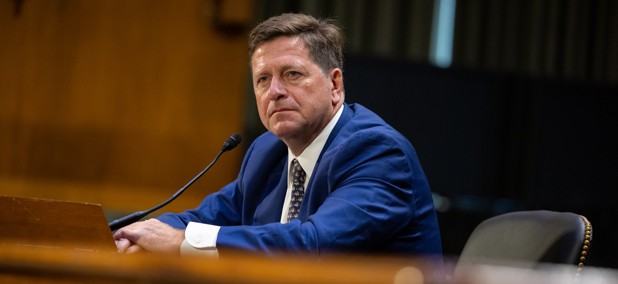
- Jay Clayton told the Senate Intelligence Committee that former president Joe Biden was "certified" in 2020 but repeatedly refused to say Biden won, prompting Sen. Jon Ossoff to ask: "You refuse to answer a basic question about who won a presidential election, but you ask to lead America's intelligence community?"
- Clayton defended his Southern District of New York office's last-Friday subpoenas to four New York Times journalists who reported Trump returned from a NATO summit on an older Air Force One because the Qatari-gifted replacement lacked advanced security features including antimissile capabilities.
- Sen. Ron Wyden called the subpoenas an attack on press freedom and the First Amendment; Sen. Kirsten Gillibrand questioned how quickly they were issued given that the plane's security concerns had been known for months.
- Clayton committed to assessing whether ODNI's cyber and foreign-influence components — downsized under former DNI Tulsi Gabbard — should be resourced again, calling cybersecurity a top-of-mind issue.
- Acting DNI Bill Pulte has launched multiple rounds of personnel cuts and received broad Trump permission to declassify records, including 2020 election documents, prompting former-official concerns about exposure of sensitive intelligence capabilities.
- Trump is expected Thursday night to unveil administration evidence of foreign interference in the 2020 election and vulnerabilities in voting machines, framing the hearing's election-security context.
- Vice Chairman Mark Warner (D-Va.) said he was "very disappointed" with Clayton's answers and worried about "this criteria that this administration is putting out, about no one who's put up for any position can tell the truth about the 2020 election."
Why it matters: If confirmed, Clayton would inherit an ODNI already reshaped by Trump's allies, with Pulte's declassifying authority and personnel cuts already underway, even as the administration prepares to publicly press its 2020 election narrative — meaning the next intelligence chief will be installed while the office is simultaneously shrinking and being drawn into domestic election disputes that critics say fall outside its mandate.
Ask SkimNews