China Restrains Iran Support, Defying 'Axis of Upheaval' Myth
Get the Geopolitics newsletter
Daily geopolitics — wars, elections, sanctions, the diplomatic moves that move markets. Free.
- China has provided no weapons to Iran and limited intelligence aid to the "very limited and covert," while declining to extend a stabilizing loan to support the Iranian Rial despite having "vast financial reserves" to do so, according to Quincy Institute analysis based on staff visits to China last month.
- Wu Xinbo, director of Fudan University's Center for American Studies, told the New York Times that US sanctions "pose a serious danger to the safety of China's supply chain" and that Beijing needs a long-term "legal framework" to identify, warn of, and respond to such threats.
- The author argues the "Alliance of Autocracies" / "Axis of Upheaval" narrative is a "fabricated myth" — unlike the US, which has treaty allies including Japan, South Korea, and fellow NATO members with US troops on their soil, China has "no allies (or significant bases) at all."
- China has condemned the attack on Iran, called for a "comprehensive ceasefire," categorically rejected US pressure to join sanctions, drawn up measures to punish Western companies operating in China that comply with US sanctions, and will continue buying Iranian and Russian oil.
- Chinese hosts told Quincy Institute staff that Beijing is a "reformist status quo power" seeking to adjust the international system rather than overturn it, and unlike Moscow, has "never tried to exploit US difficulties and mistakes in the Middle East" despite opportunities to do so.
- Taiwan is "the truly vital issue" for Beijing — Chinese interlocutors said every other concern is secondary, because formal Taiwanese independence "would automatically mean China having to go to war" with risks of nuclear escalation and economic catastrophe that Beijing abhors.
- China's geopolitical caution is paired with "assiduous and concentrated" domestic efforts to build energy independence and develop Chinese semiconductor and tech capacity to eliminate any threat from US sanctions, accompanied by a determination to dominate world markets for "strategically vital products of the future."
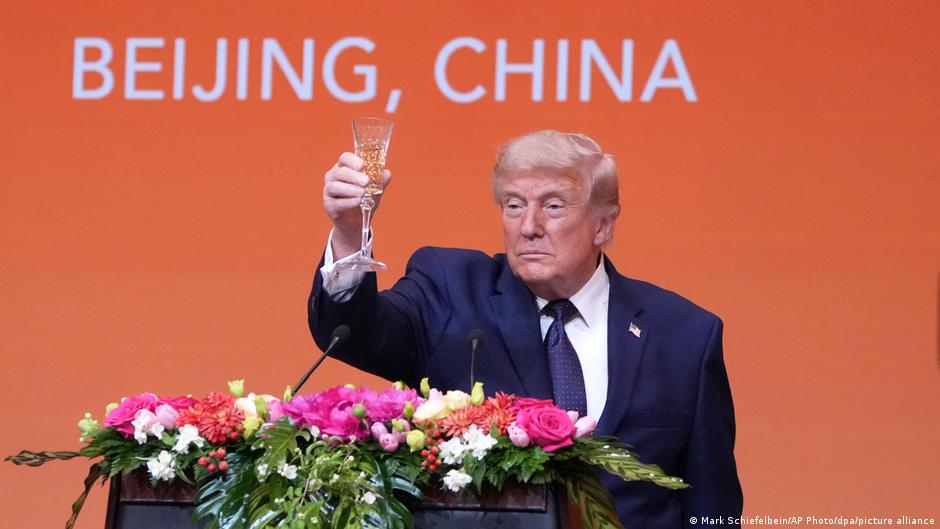
Why it matters: The analysis reframes the Trump-Xi summit as less about confronting an autocratic bloc and more about Beijing managing its own exposure — particularly the risk that a US angered by Chinese backing for Iran could strengthen or formally recognize Taiwanese independence, which the Chinese hosts identified as the one red line worth avoiding war over. For US hawks pushing aggressive confrontation, the article implies that strategy may be self-defeating when China's stated fallback is patient tech self-sufficiency, not escalation.
Ask SkimNews