Tesla Claims Wheelchair Robotaxi in Development in Texas — SkimNews
Get the Tech newsletter
Daily tech — startups, AI labs, chips, the launches that shape the next decade. Free.
- India Herdman, Tesla's senior policy advisor, told the DC City Council on Monday that Tesla is developing a purpose-built, wheelchair-accessible autonomous vehicle built in Texas, but provided no timeline, vehicle, or engineering details.
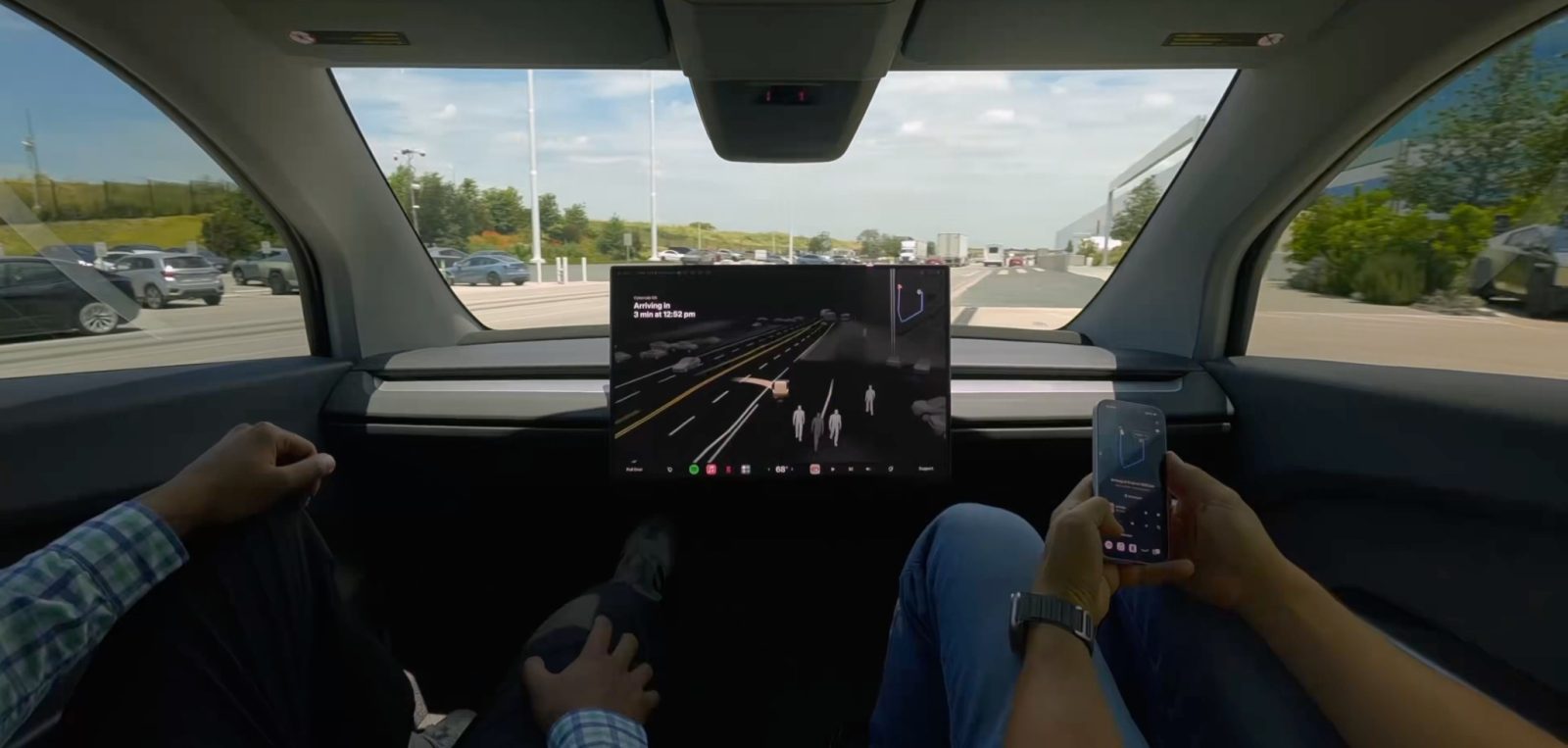
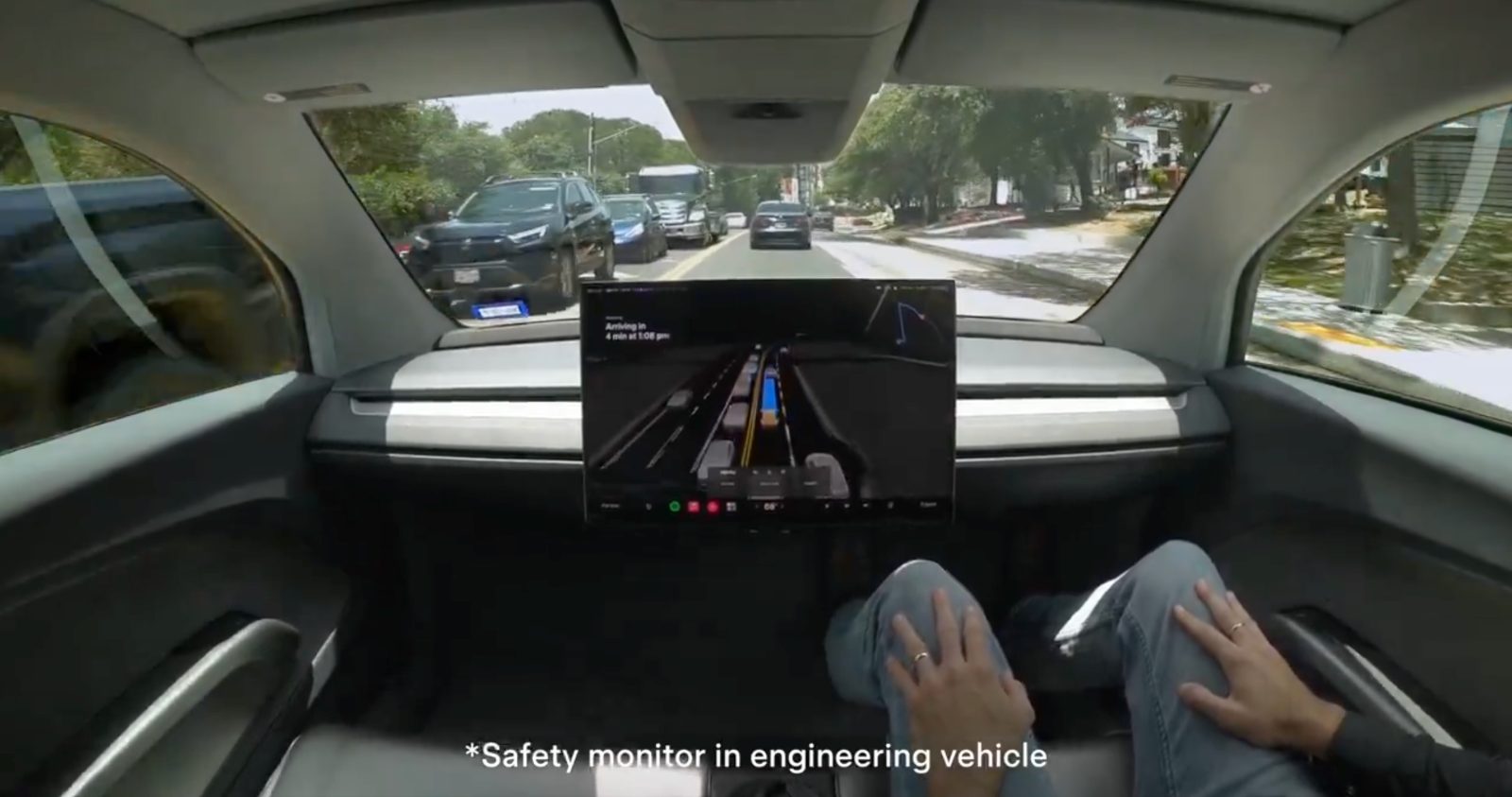
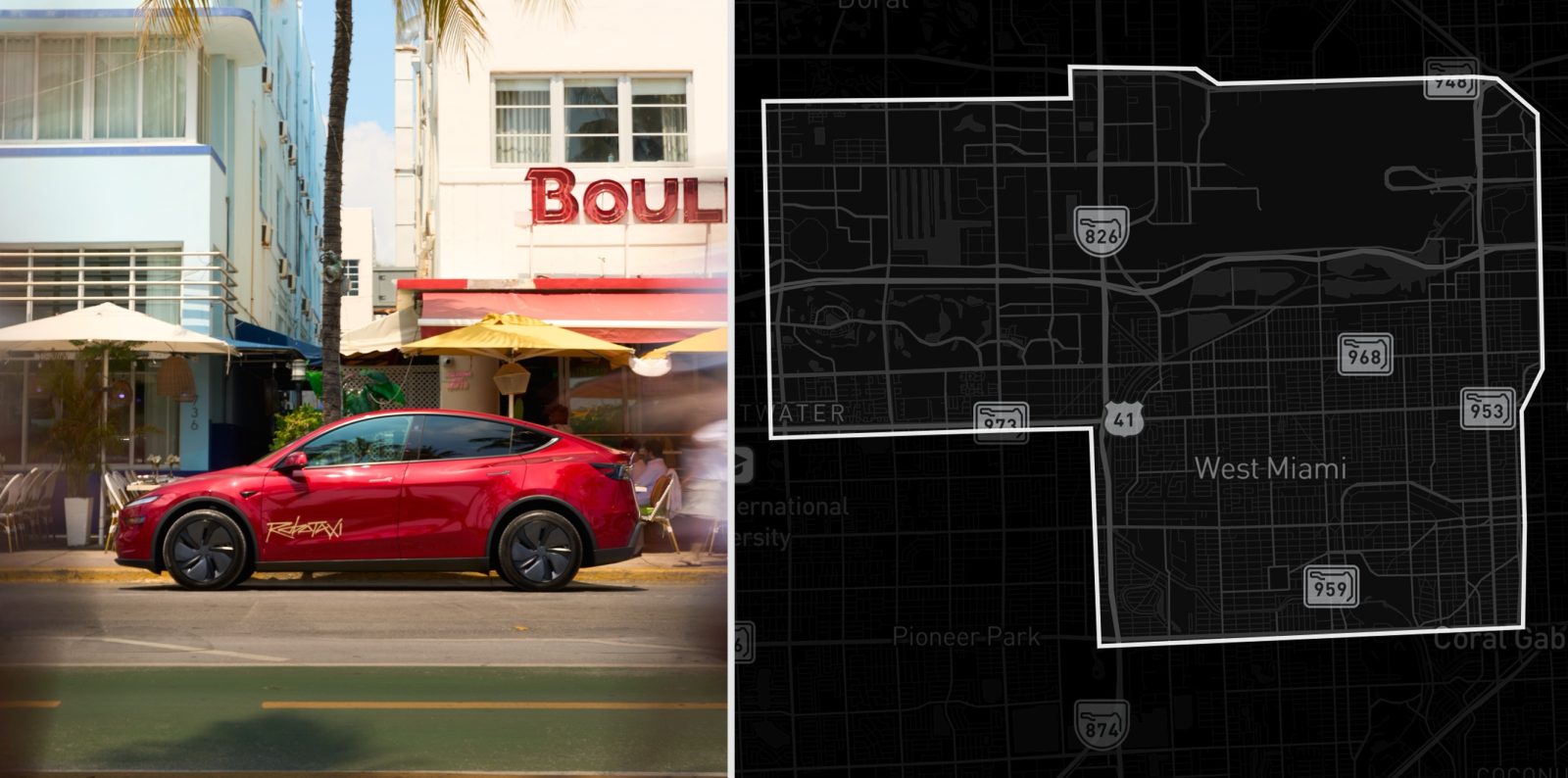
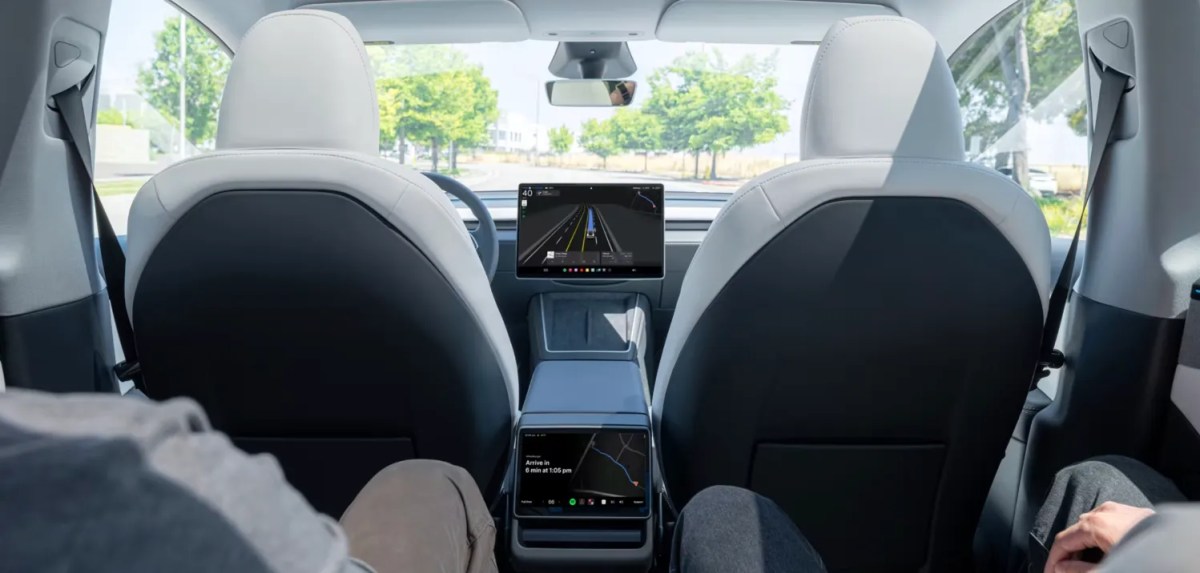
- Tesla's current driverless fleet operates in Austin, Dallas, Houston, and Miami using Model Y SUVs, none of which are wheelchair-accessible.
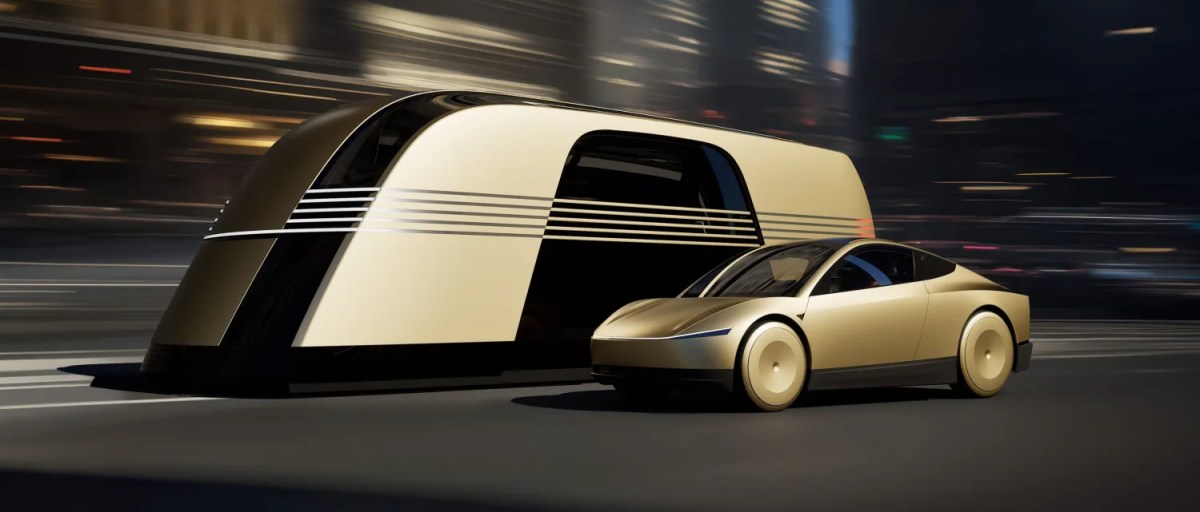
- The Cybercab, Tesla's purpose-built two-seat robotaxi with no steering wheel or pedals, was promoted this month for accessibility features including braille controls and wheelchair-height seating — but a passenger still has to climb into it, which isn't meaningful wheelchair access.
- The Robovan, unveiled at Tesla's October 2024 "We, Robot" event, is a bus-sized autonomous vehicle Musk said could carry up to 20 people and would serve as the natural chassis for a wheelchair ramp and securement system, yet Tesla has given it no price or launch date and trademarks suggest it may end up called the "Robobus."
- Tesla's Robotaxi app gained an accessibility tab last fall reading "We are working on accessible rides," but it currently directs users to third-party wheelchair-accessible providers; CEO Elon Musk replied "Absolutely" when an X user asked about it.
- The Monday hearing concerned a DC bill that could let robotaxi services operate in the District, with council members specifically worried that robotaxis would leave wheelchair users behind.
Why it matters: The claim came in a legislative setting where DC council members are weighing a robotaxi bill and are explicitly worried about wheelchair users being left behind — giving Tesla every reason to say what it said, and no obligation to deliver. No current Tesla vehicle is wheelchair-accessible, the Cybercab is a two-seater passengers climb into, and the Robovan — the only realistic platform — hasn't been updated since October 2024. Until unsupervised autonomy ships at scale and an actual accessible vehicle exists, this is a verbal promise to lawmakers, not a product roadmap.
Ask SkimNews