Microgrids Beat Undergrounding for Wildfire Resilience — SkimNews
Get the Energy newsletter
Daily energy & climate — solar, EVs, oil, the policy fights and tech bets shaping the transition. Free.
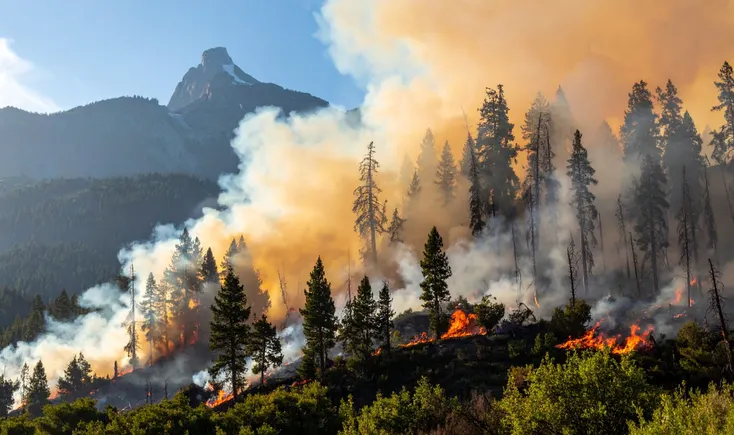
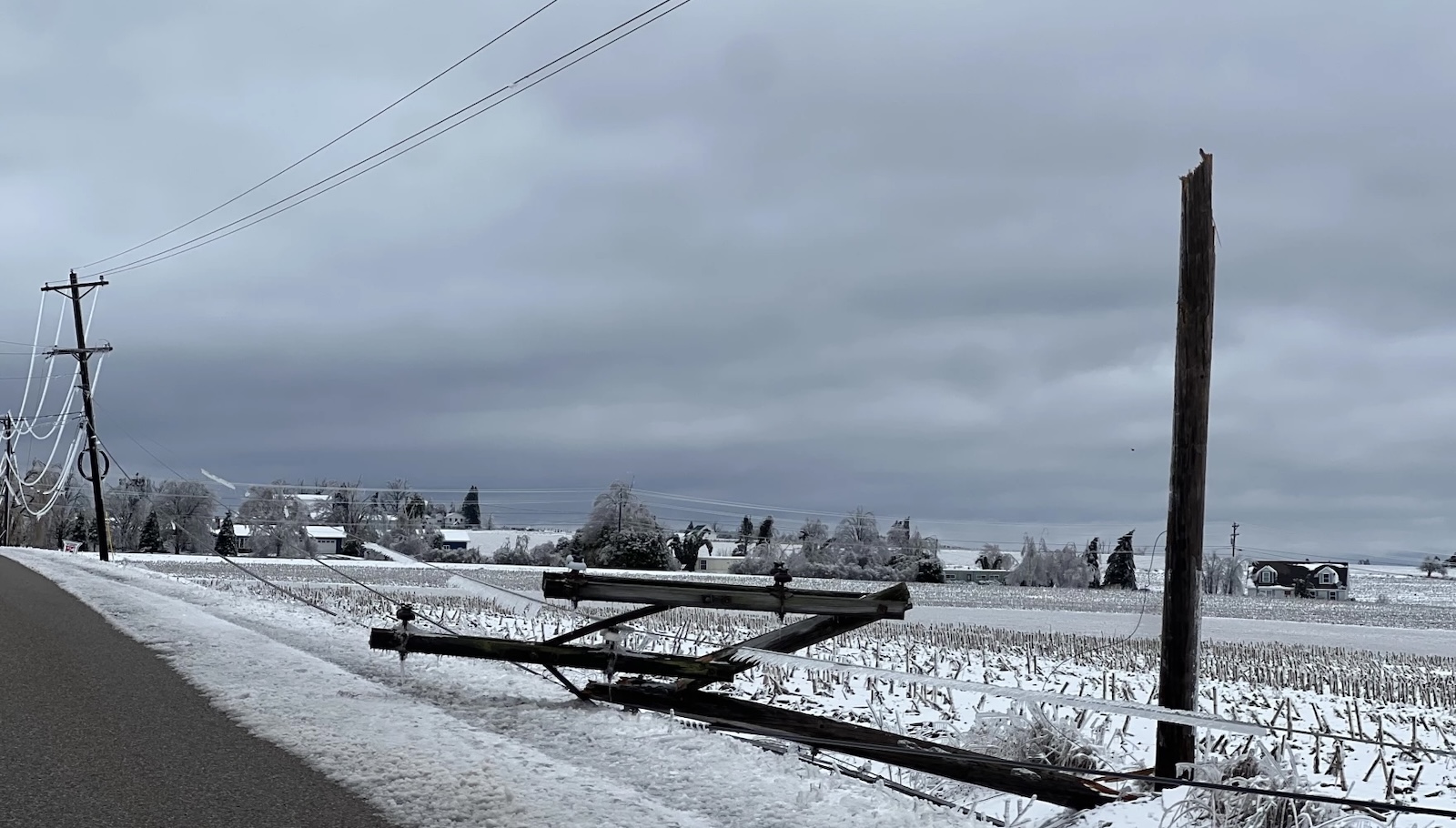
- Cameron Brooks, executive director of Think Microgrid, argues that microgrids — not undergrounding — should be the backbone of wildfire resilience because they work today while burying lines takes decades.
- Xcel Energy's Colorado wildfire mitigation plan, approved by state regulators at $200 million, would bury just 50 miles of power lines at roughly $4 million per mile in upfront capital costs alone.
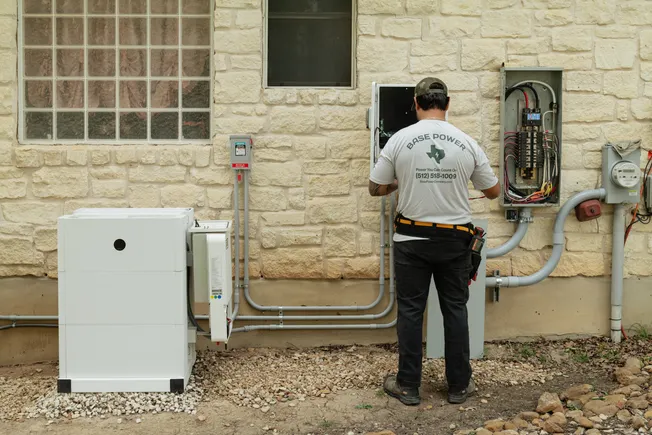
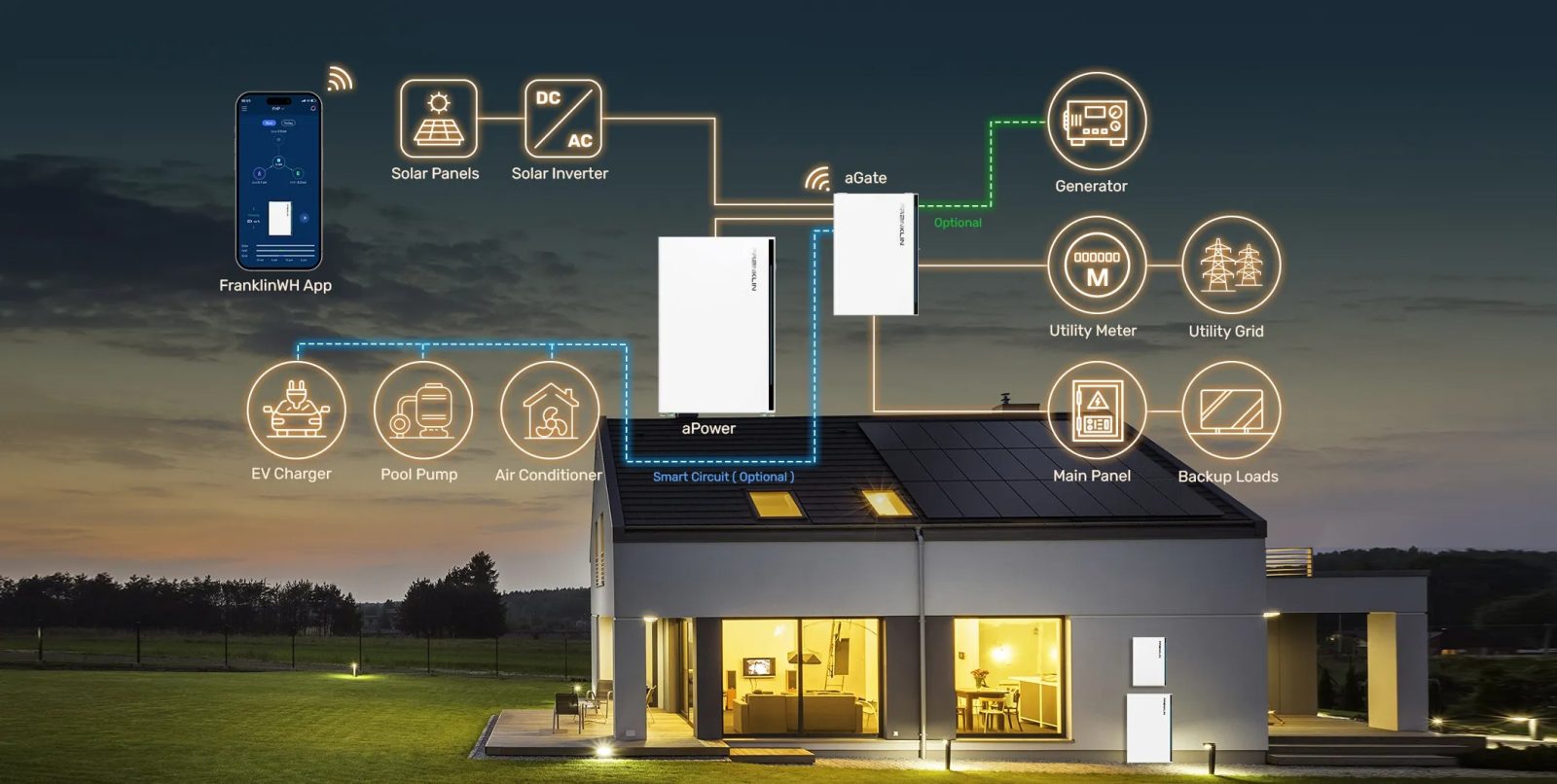
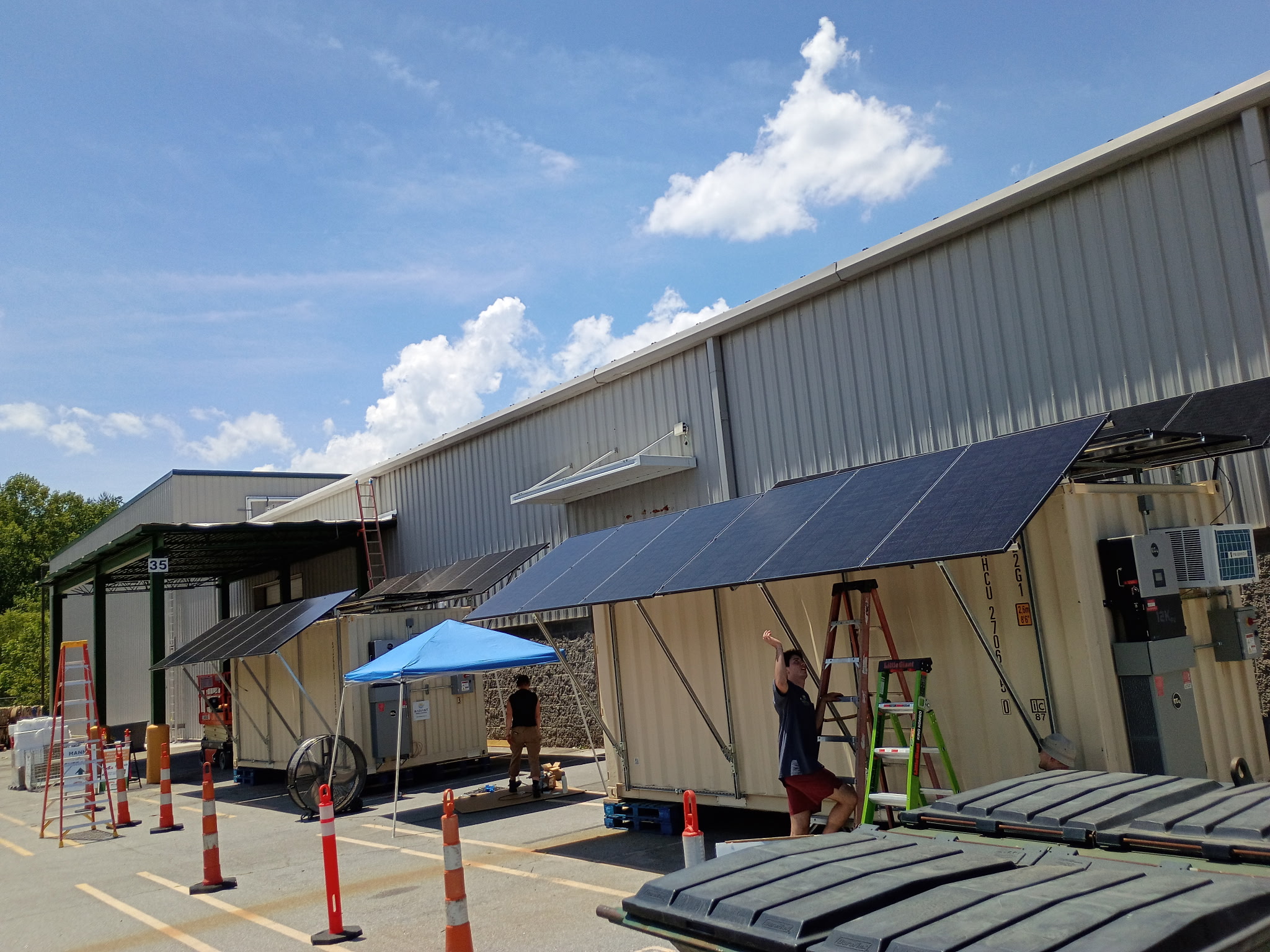
- The same $200 million could instead equip 7,500 to 15,000 Colorado homes with battery systems providing 24–48 hours of backup power, paired with solar and intelligent controllers to manage demand.
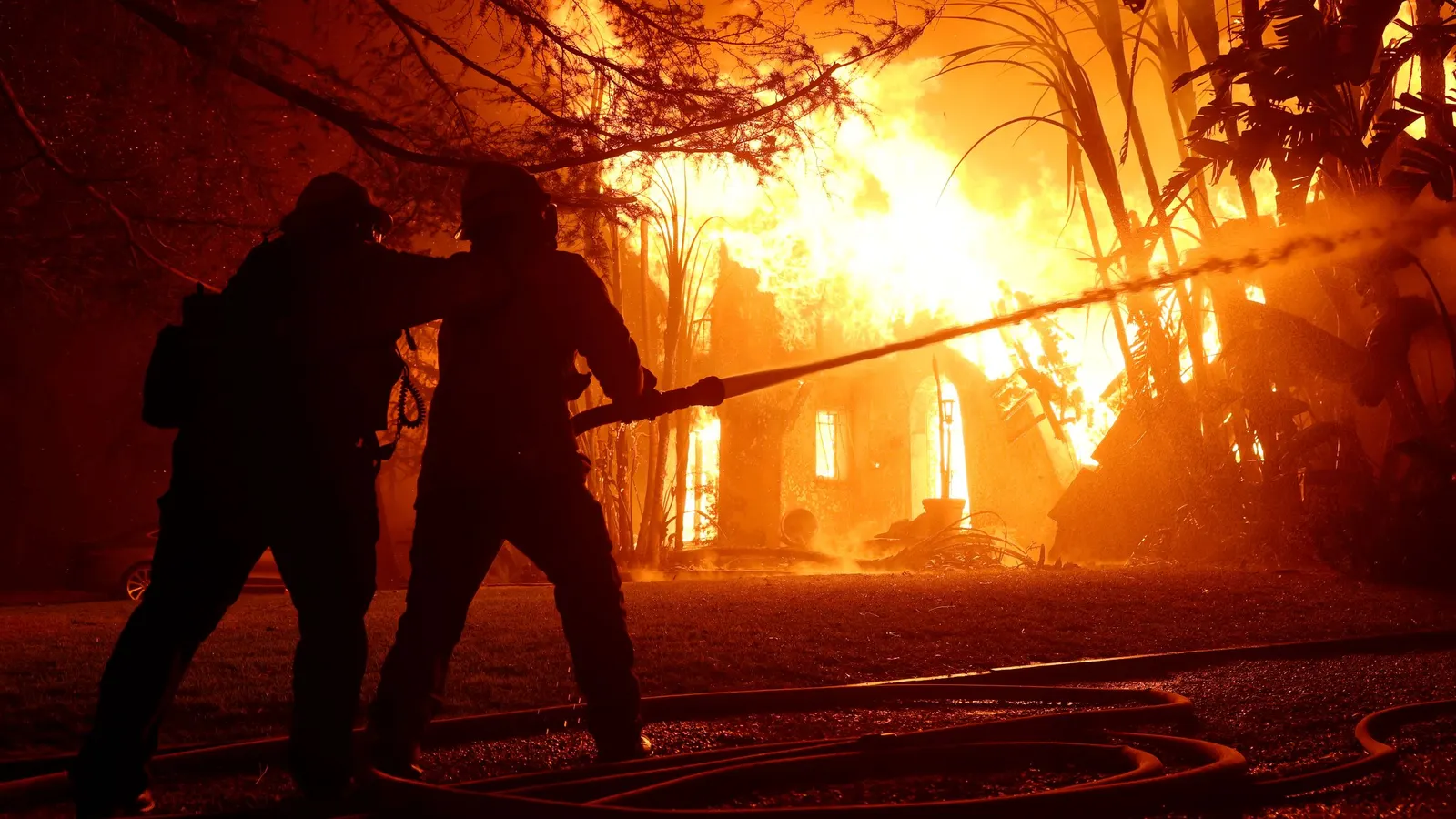
- Utility wildfire plans tracked by Think Microgrid rely overwhelmingly on public safety power shutoffs — blackouts that could collectively cost customers and businesses millions — alongside expensive capital solutions like undergrounding.
- Oregon is in the process of becoming the first state to establish a comprehensive regulatory framework for private and community microgrids, with compensation tied to the resilience value they provide.
- Texas finalized rules last month for deploying behind-the-meter backup power at critical facilities including hospitals, emergency response centers, shelters, and water infrastructure.
- Colorado legislators permanently extended the state's Microgrids for Community Resilience grant program for electric co-ops and municipal utilities serving rural communities.
- The Department of Energy has put forward a vision of a 2035 grid where 30–50% of electricity comes from the edge of the grid and microgrid "building blocks."
Why it matters: The cost math inverts the dominant utility narrative: the $4 million-per-mile price tag for undergrounding could instead put 24–48 hours of backup power in thousands of homes now, while undergrounding projects stretch across decades. Ratepayers foot the bill either way through utility commissions, so the regulatory choices made this wildfire season — in states like Oregon, Texas, and Colorado — will determine whether communities get resilience in months or wait a generation.
Ask SkimNews