China, India won't fill US military role in post-Iran
Get the Geopolitics newsletter
Daily geopolitics — wars, elections, sanctions, the diplomatic moves that move markets. Free.
- Middle East Institute held its annual conference in Shenzhen on Jun 23, themed "After the Iran War: The Global Geopolitical and Economic Fallout," where panelists said China and India will not replicate the US military presence in the region.
- Kabir Taneja of ORF Middle East said rising powers' influence will come through diplomacy and economic partnerships, not military deployment, adding that any expectation of them playing roles similar to American or European powers "should not be expected."
- Jonathan Fulton of Zayed University said China's economics-focused approach to the Middle East "works during periods of stability" but "doesn't necessarily work during periods of turbulence," noting engagement expanded after the 2013 Belt and Road Initiative.
- Yun Sun of the Stimson Center said China "will not conduct military intervention" in the region, but pointed to Beijing's support for Pakistan's US-Iran mediation and Foreign Minister Wang Yi's multiple high-level talks with Middle Eastern counterparts as evidence of "a deliberate design" toward greater security involvement.
- The Middle East has supplied about half of China's crude oil imports over the past decade, per Columbia University Center on Global Energy Policy analysis, underscoring Beijing's stake in regional stability.
- India engages the Middle East through bilateral relationships with Gulf states, Israel, and Iran — with growing India-UAE economic momentum — but Taneja said India's own security concerns with Pakistan and China make a Western-style security-provider role unlikely.
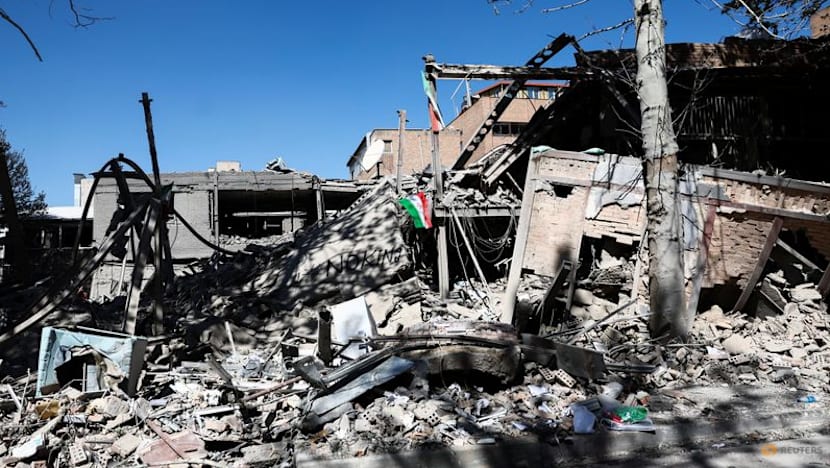
- The Iran war began Feb 28 with US and Israeli strikes on Tehran, killing thousands (mostly Iranians) and rattling global markets, according to the source.
Why it matters: The Middle East supplies about half of China's crude oil and hosts millions of Indian nationals, yet neither Beijing nor New Delhi is willing or able to take on the security guarantor role the US has long played. The result is a more fragmented order where mediation, bilateral deals, and hedging replace the old single-pole security architecture.
Ask SkimNews