Trump's Iran Speech Riddled With Contradictions, Confusion

Get the Geopolitics newsletter
Daily geopolitics — wars, elections, sanctions, the diplomatic moves that move markets. Free.
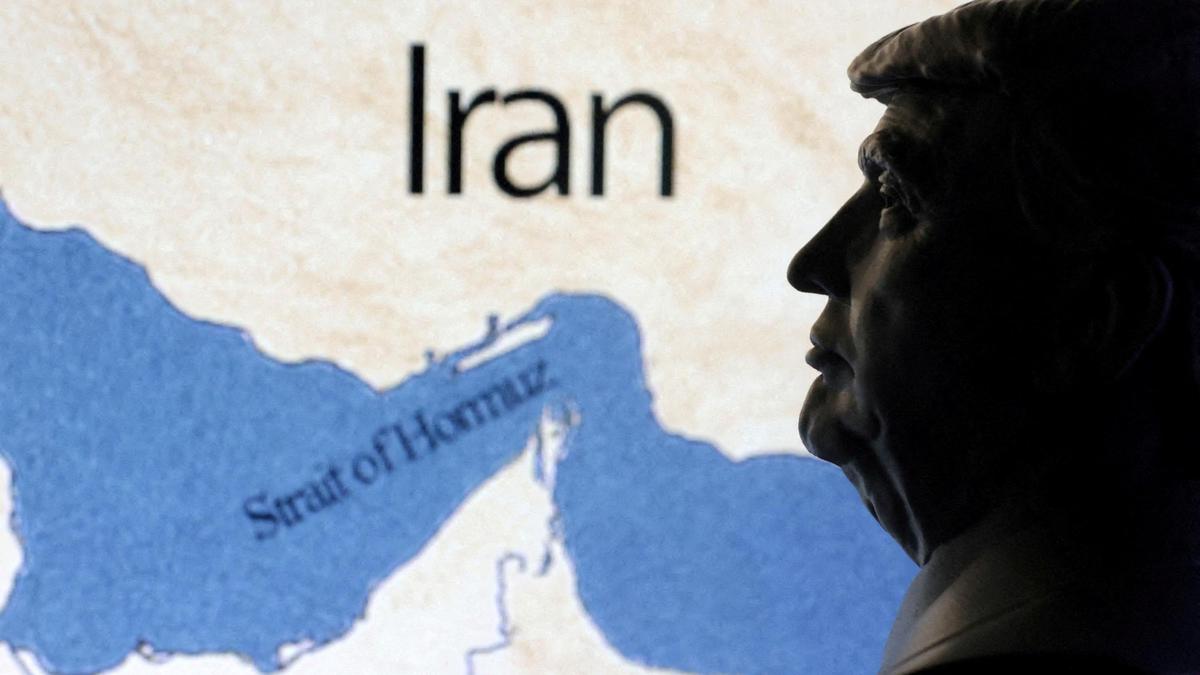
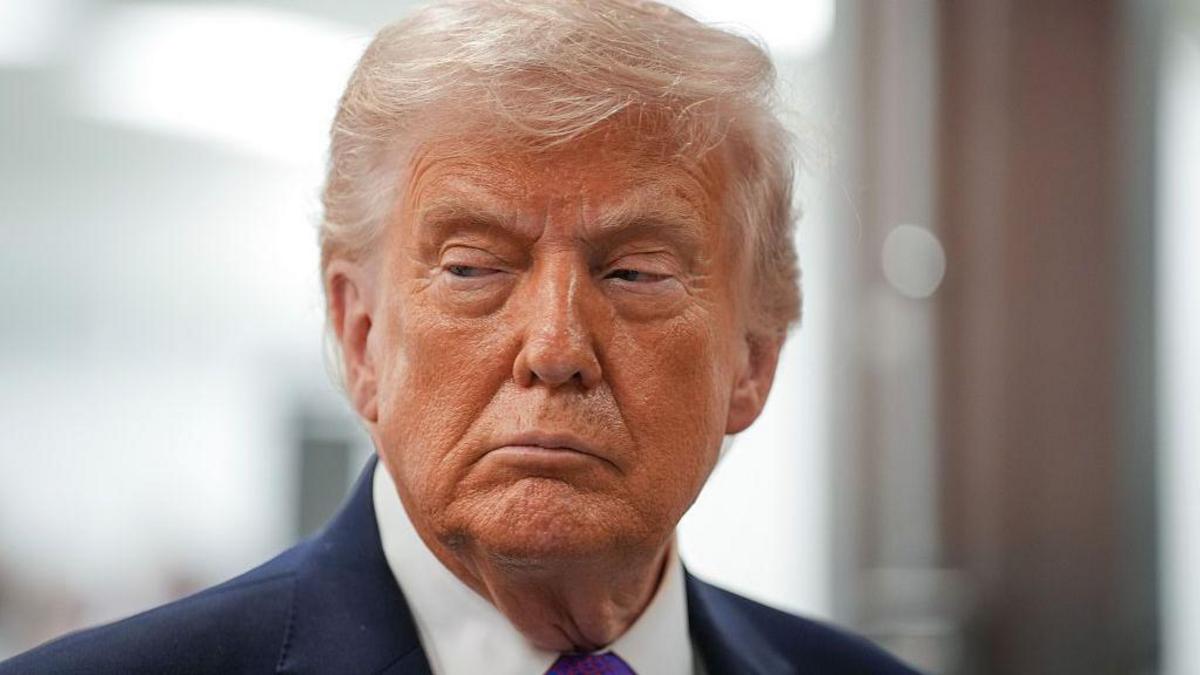
- Trump delivered a 19-minute Wednesday night address on the Iran war in which he repeated himself, contradicted his main points, and appeared confused — at one point nearly mispronouncing "Strait of Hormuz" as "strait of hormone."
- Four weeks after the U.S. and Israel jointly launched attacks on Iran, Tehran's hold on the Strait of Hormuz is "incomparably stronger," with the Iranian government now unilaterally deciding which oil tankers and ships can pass through the strategic waterway.
- Trump claimed in the same speech that the U.S. has already achieved its objectives and produced "regime change" in Iran, while simultaneously saying a few more weeks of warfare still lie ahead to bring Iran "back to the Stone Ages, where they belong."
- Secretary of State Marco Rubio has parroted Trump's bellicosity throughout the Iran war with no signs of depth, including lecturing Iran about squandering resources on armaments days before Trump himself said the U.S. cannot afford child care or Medicare while spending more than $1 billion a day in Iran.
- Secretary of Defense Pete Hegseth is likened to Yosemite Sam — a swaggering, flattery-driven figure whose "tin-pot vigilante" eagerness has reduced Washington's room to maneuver against a Tehran that has more carefully measured its own limits and U.S. vulnerabilities.
- Trump's alienation of allies — from NATO and blanket tariffs to threats on Greenland and Canada, the Venezuela takeover, jokes about Pearl Harbor with Japan's prime minister, and insults aimed at Saudi Arabia — has diminished U.S. global standing, and the column argues a "victory" over Iran would only heighten a sense of impunity and hasten a new age of violence and anarchy.
Why it matters: The U.S. is spending more than $1 billion a day on a war whose leader cannot articulate the endgame, while Tehran now controls passage through the Strait of Hormuz — a chokepoint for global oil — more firmly than it did before U.S. and Israeli strikes began. Governments worldwide, the column argues, are actively reconsidering whether a U.S.-led order and American commitments to international norms are reliable.