China Refuses US 'Economic Warfare' Against Iran — SkimNews

Get the Geopolitics newsletter
Daily geopolitics — wars, elections, sanctions, the diplomatic moves that move markets. Free.
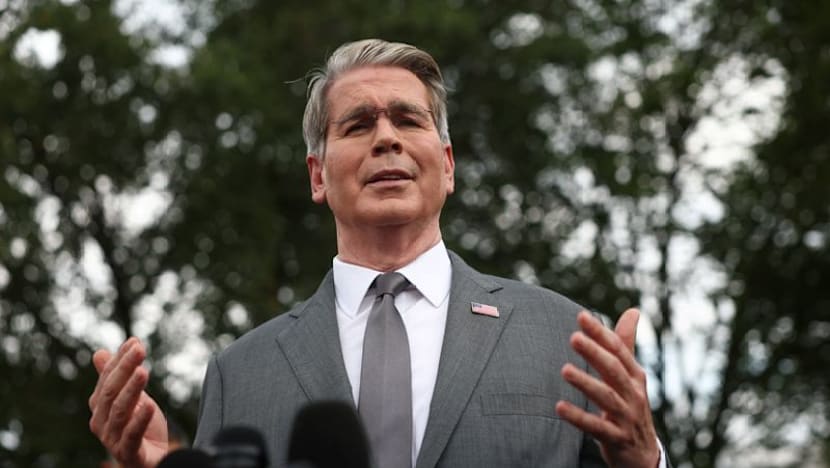
- Scott Bessent demanded that nations join "the greatest coordinated economic isolation in the history of the world" against Iran, issuing an "either with us or against us" ultimatum and warning that any country offering Tehran a "lifeline" would face "economic oblivion."
- Bessent singled out China, urging it to "get with the program" and noting that China buys about 80% of Iran's oil exports while half of China's own energy comes from the Persian Gulf.
- China's Foreign Ministry spokesperson Lin Jian rejected the demand at a Friday press conference, declaring Beijing opposes "illicit unilateral sanctions that lack basis in international law and UN Security Council mandate" and calling for "dialogue and negotiation" instead.
- Iran's armed forces chief Maj. Gen. Ali Abdollahi vowed "crushing, punishing, and devastating responses" across land, sea, air, air defense, and cyberspace, while parliament speaker Mohammad Baqer Ghalibaf conceded that without economic turnover and growth, "we won't survive if people are hungry."
- The US military push to reopen the Strait of Hormuz has fallen short, with daily ship transits still in the single digits and crude oil prices still 30% above prewar levels, per Reuters data.
- Eurasia Group's Gregory Brew said the pivot to economic warfare feels "oddly devoid of purpose" since the administration still claims the strait is already open, and INSS's Danny Citrinowicz wrote that any strategy assuming China will "fall in line" with Washington rests on a "fundamentally flawed premise."
Why it matters: Trump now must choose between backing down from Bessent's ultimatum or retaliating against China — his third-largest trading partner — with the November midterms approaching, while the stated military objective of reopening the Strait of Hormuz remains unmet and oil sits 30% above prewar prices.
Ask SkimNews