MIT: 74% of IRA Clean Energy Survives Rollback — SkimNews
Get the Energy newsletter
Daily energy & climate — solar, EVs, oil, the policy fights and tech bets shaping the transition. Free.
- MIT released a study finding that 67–74% of the clean energy capacity and emissions reductions projected under the Inflation Reduction Act will still be achieved under the One Big Beautiful Bill Act through 2035.
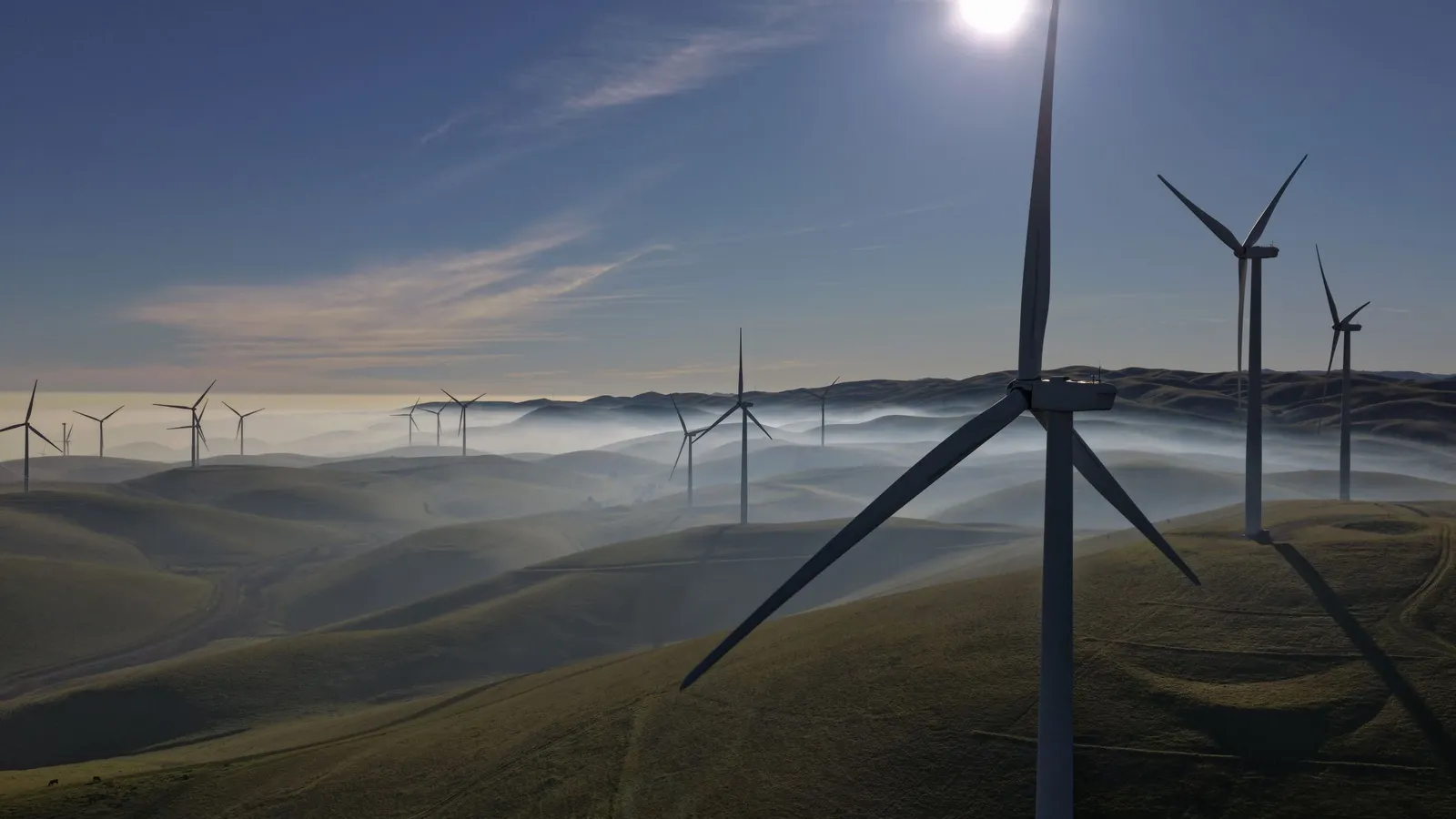
- Onshore wind is the most affected clean energy technology, with only 52% of projected generation and 47% of capacity preserved due to its high sensitivity to tax credit losses.
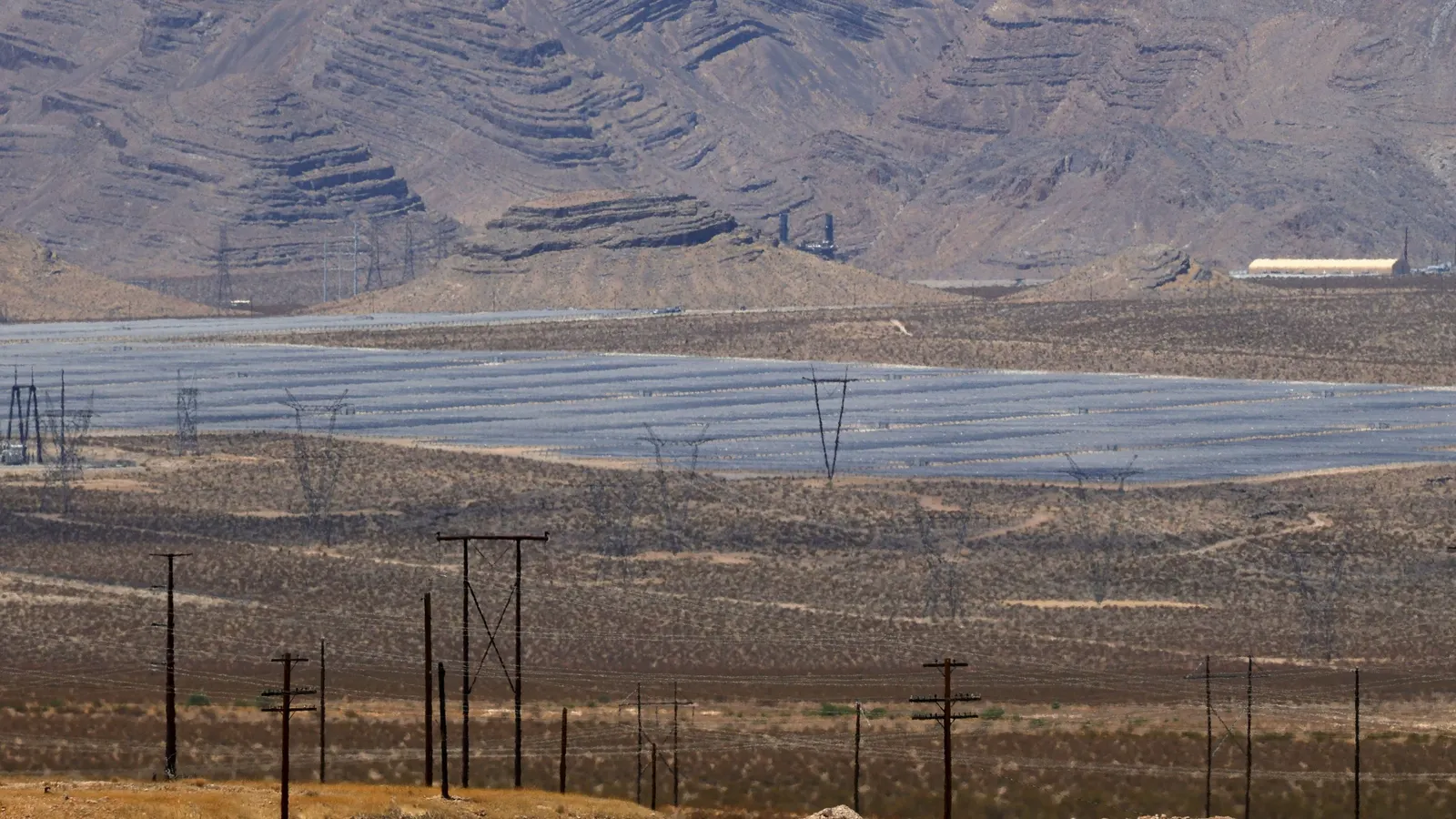
- Utility-scale solar and battery storage retain at least 80% and 83% of IRA-level deployment, respectively, as falling module costs and continued tax credit access cushion the policy shift.
- Lily Bermel concluded the gap between the IRA and OBBBA scenarios is limited because both face identical supply-side constraints on permitting, siting, and interconnection speed.
- Fossil generation is 19% higher under the OBBBA scenario, with coal retiring more slowly and existing plants used more intensively despite minimal change in fossil capacity.
- Permitting reform remains stalled in Congress, with some Democrats blocking bipartisan efforts in response to the Trump administration’s obstruction of renewable projects like offshore wind.
Why it matters: Onshore wind developers lose the most as tax credit phaseouts hit their economics hardest, while solar and storage continue advancing due to cost competitiveness — meaning policy changes shift rather than stop deployment, and supply-side reforms would do more than tax restoration to accelerate progress.
Ask SkimNews