Let a thousand stinky blossoms bloom: how Australia became the world’s corpse flower destination
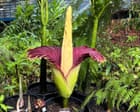
Why it matters: The increased cultivation and blooming of corpse flowers in Australia offers a unique opportunity for scientific study and public engagement with endangered species, while also highlighting the surprising adaptability of plants to seemingly unsuitable environments.
- Australian Botanic Gardens are experiencing an increase in corpse flower blooms, with over a dozen flowering across the country in 2025.
- Adelaide Botanic Garden boasts the largest corpse flower collection in Australia, potentially the world, with over 250 plants propagated from original seeds acquired in 2006.
- Corpse flowers are notoriously difficult to cultivate, requiring specific conditions and energy storage, with blooms occurring unpredictably every 3-5 years after an initial 10-12 year growth period.
Australia is becoming a global hotspot for corpse flower blooms, with Adelaide emerging as a key propagation center due to its hot, dry summers surprisingly conducive to growing these endangered Sumatran plants. The increasing frequency of blooms across the country, including notable events in Sydney, Canberra, and Cairns, signals a shift from rarity to relative accessibility for witnessing these notoriously unpredictable and pungent botanical displays.