Bagga: Wait to Buy the Dip Until a Ceasefire Is Signed

Get the Finance newsletter
Daily finance — markets, central banks, M&A, the prints that move money. Free.
- Ajay Bagga advises investors against chasing the first 5–10% up move, calling missing a short-term rally an "opportunity loss — not a real loss" while the conflict outcome remains too binary for meaningful positioning
- Bagga expects the conflict to resolve within one to two months but says markets will stay jittery until a concrete ceasefire or peace framework is signed
- A six-month conflict would trigger a "very strong global recession" per Bagga — Arab nations facing 8–10% GDP degrowth, India absorbing a 2% cut, China a 1.5% reduction, the US seeing growth halve, and Japan and Europe tipping into recession
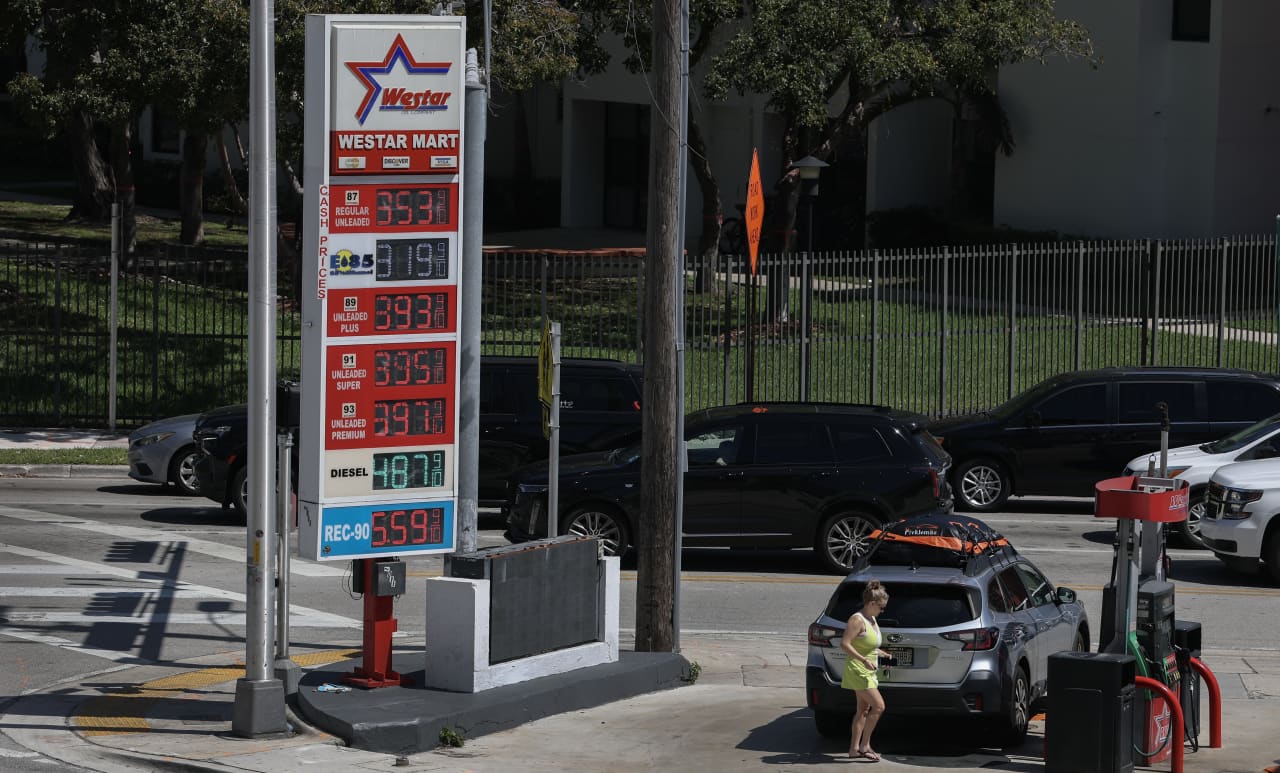
- Fertiliser prices are already up 50% since the war began (urea alone up 38%), and helium stocks critical for semiconductor manufacturing are declining rapidly
- Bagga flags power, renewables, energy security, banking, NBFCs, insurance, and IT as sectors likely to lead the next rally, while oil-consuming paints, chemicals, industrial gas users, and real estate face earnings disappointment
- Larsen and Toubro faces near-term Middle East project execution pain but could see substantial long-term upside from reconstruction contracts in Iran and across Arab nations
- Bagga recommends the RBI launch an FCNR(B) deposit scheme now, citing his experience designing a similar September 2013 programme that raised billions in a single day to break rupee bearishness
Why it matters: The asymmetry Bagga lays out is stark: missing a short-term 5–10% rally versus a scenario where a six-month conflict shaves 2 percentage points off India's GDP, pushes Japan and Europe into recession, and has already driven fertiliser prices up 50%. For investors, that downside skew argues for staggered or delayed entry over chasing the first move.
Ask SkimNews