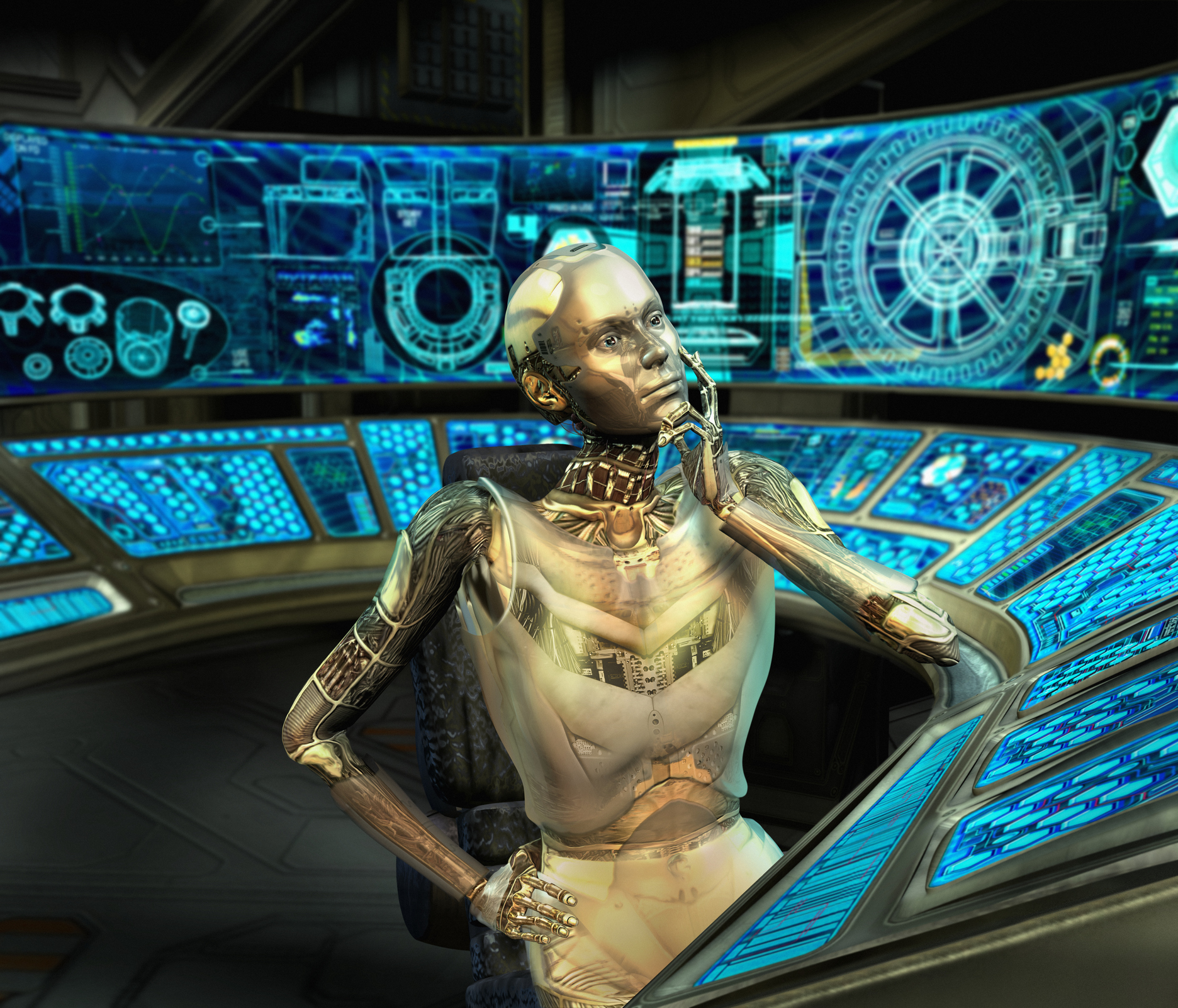
AI Stories Beat Human Writing in Study of 1,682 Readers
Get the Health newsletter
Daily health & science — research, biotech, public health, the studies worth knowing. Free.
- The study, published in Judgment and Decision Making, had 1,682 adults rate six short stories — three by ChatGPT, three by humans — with the AI-generated stories rated as more absorbing and of higher quality.
- Dr. Deena Skolnick Weisberg of Villanova University, a senior author, said "AI systems can already generate short stories that are seen as being at least as good as – if not better than – human-written stories," while cautioning that doesn't eliminate space for human creativity.
- Participants showed a labeling bias: they rated stories higher when told they were human-written, even though the AI stories actually scored better in quality — suggesting readers prefer the idea of human authorship.
- Two follow-up experiments with 905 adults tested detection ability; 40% guessed correctly in one (worse than chance) and 52% in the other, leading the authors to conclude "there is no general evidence" readers can distinguish AI from human writing.
- AI expertise, not fiction expertise, improved detection — participants who knew more about AI systems were better at identifying ChatGPT output, while literary experience offered no advantage.
- Luke Kennard, a professor of film and creative writing at the University of Birmingham, rejected the framing, calling AI "predictive code based on a massive stolen database of actual writing" and an "existential threat" rather than a neutral tool.
- Attitudes toward AI shaped ratings: participants with more positive views of AI gave higher scores to stories they were told ChatGPT had written, while skeptics scored them lower.
Why it matters: With 1,682 readers rating AI stories above human ones and 905 follow-up participants performing at or below chance at telling them apart, the research undermines assumptions that humans can detect or naturally prefer human-authored fiction — a finding that cuts to the heart of debates over the value of human creative labor in publishing and education.