Rotterdam Sued Over Pace of Fossil Fuel Phase-Out — SkimNews
Get the Energy newsletter
Daily energy & climate — solar, EVs, oil, the policy fights and tech bets shaping the transition. Free.
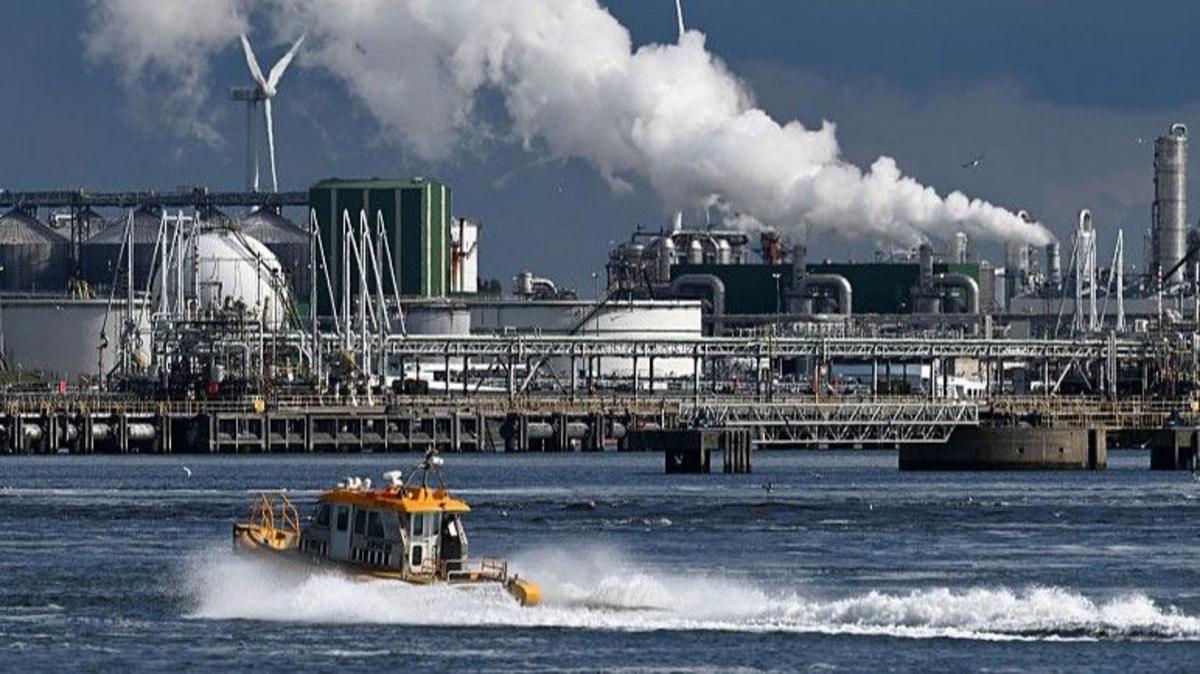
- Port of Rotterdam is Europe's biggest freight port, handling nearly as much cargo as all UK ports combined, with five refineries including Shell's largest in Europe processing hundreds of thousands of barrels of crude daily.
- Advocates for the Future is suing the Port of Rotterdam Authority, arguing the state-owned enterprise should be held to legal obligations phasing out fossil-fuel dependency and creating cleaner alternatives.
- Per CE Delft research, fossil fuels flowing through Rotterdam link to roughly 600 megatonnes of CO2 a year, while the port's own industrial cluster emits about 29 million tonnes — roughly half of the Netherlands' domestic emissions.
- The Port Authority has set a target to cut its own direct and purchased energy emissions 90% between 2019 and 2030, and is investing in a hydrogen hub, onshore power for berthed ships, and the Porthos CCS project piping industrial emissions to depleted gas fields offshore.
- Many of the port's biggest emitters answer to headquarters in the US or China, meaning tighter Rotterdam rules risk pushing them to relocate — Shell already shifted its HQ to the UK and Unilever left Rotterdam altogether.
- Erasmus University emeritus professor Harry Geerlings argues EU sulphur limits only forced Chinese compliance once Chinese ships could no longer enter Western ports, so a single port cannot drive a full transition without a global level playing field.
- President Donald Trump's US policies favoring fossil fuels over wind and renewables sharpen Rotterdam's fear that energy-intensive industry will shift to regions with looser rules and cheaper power.
Why it matters: The lawsuit tests whether a state-owned port authority can be compelled to phase out fossil flows on enforceable timelines rather than just promise net zero by 2050. Rotterdam's structural bind is stark: facilities driving roughly 29 million tonnes of port-side CO2 sit under US and China boards — and Shell already relocated its HQ to the UK.
Ask SkimNews